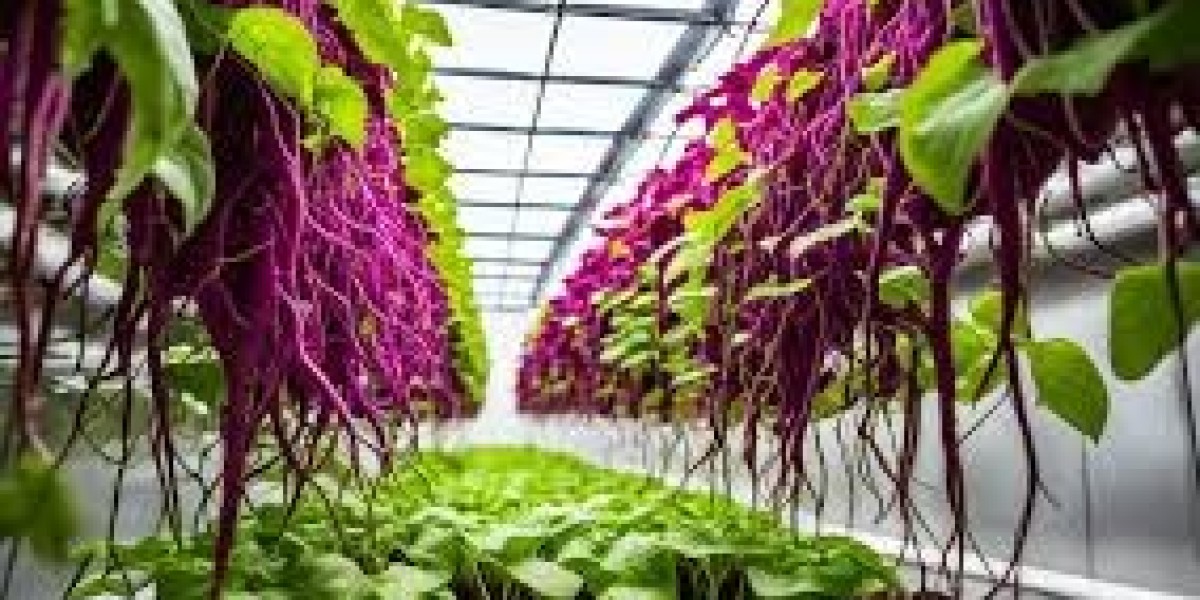

Hydroponic sweet potatoes are becoming increasingly popular among home gardeners and commercial growers alike. Unlike traditional soil-based cultivation, hydroponics allows sweet potatoes to grow in a controlled, nutrient-rich solution, improving yields and reducing the risk of pests and diseases. This soil-free method is perfect for those looking to maximize space and efficiency while enjoying fresh, homegrown sweet potatoes year-round.
### Why Grow Sweet Potatoes Hydroponically?
There are several advantages to growing sweet potatoes hydroponically. First, hydroponics enables precise control over nutrients, water, and pH levels, which can accelerate growth and increase overall yield. Sweet potatoes thrive in environments where nutrient levels are consistent, and hydroponic systems provide exactly that.
Additionally, hydroponic cultivation reduces the risk of soil-borne diseases like root rot and nematodes, which can devastate traditional sweet potato crops. Hydroponic systems also conserve water compared to soil cultivation since the water is recirculated, making them an eco-friendly option for sustainable farming.
### Choosing the Right Hydroponic System
Several hydroponic systems can be used to grow sweet potatoes successfully:
1. **Deep Water Culture (DWC):** In this system, sweet potato slips are suspended in a nutrient-rich solution, allowing roots to grow directly in water. DWC is ideal for beginners due to its simplicity and effectiveness.
2. **Nutrient Film Technique (NFT):** NFT involves a shallow stream of nutrient solution flowing over the roots. This system ensures continuous nutrient delivery, encouraging robust tuber growth.
3. **Floating Rafts:** Floating raft systems keep the plants on a floating platform above a nutrient solution. This setup is particularly effective for commercial hydroponic farms aiming for large-scale production.
### Planting and Care
Hydroponic sweet potatoes are typically grown from slips rather than seeds. Slips are small sprouts taken from mature sweet potatoes and planted into the hydroponic medium. Once planted, it’s important to maintain a nutrient solution rich in nitrogen, potassium, and phosphorus, with micronutrients like magnesium and calcium to support healthy growth.
Sweet potatoes prefer slightly acidic to neutral pH levels, around 5.8 to 6.2, and a temperature range of 75–85°F (24–29°C). Regular monitoring of water temperature, nutrient concentration, and pH is crucial to prevent stress and maximize tuber development.
### Harvesting Hydroponic Sweet Potatoes
Hydroponic sweet potatoes typically mature faster than soil-grown varieties, often ready for harvest within 90 to 120 days depending on the variety. Tubers can be harvested carefully to avoid damaging roots, and the plants can sometimes produce multiple harvests if slips are managed properly.
After harvesting, it’s important to cure the sweet potatoes by keeping them in a warm, humid environment for several days. This process enhances their flavor and extends shelf life.
### Tips for Successful Hydroponic Sweet Potato Growth
* **Light:** Sweet potatoes require ample light. If grown indoors, provide 12–16 hours of strong LED or fluorescent light per day.
* **Air Circulation:** Good airflow prevents fungal growth and promotes healthy vines.
* **Regular Maintenance:** Keep an eye on nutrient solution levels and quality. Replenish and adjust nutrients as needed.
* **Start Small:** For beginners, start with a few slips before scaling up to a larger system.
Hydroponic sweet potatoes offer an innovative way to grow this nutritious vegetable efficiently, whether for home use or commercial purposes. By selecting the right system, monitoring nutrients and pH, and following proper planting and harvesting techniques, you can enjoy high-quality sweet potatoes year-round. For more resources and expert guidance on hydroponic systems, you can visit **rochesterhydroponics.net** for tips and supplies.