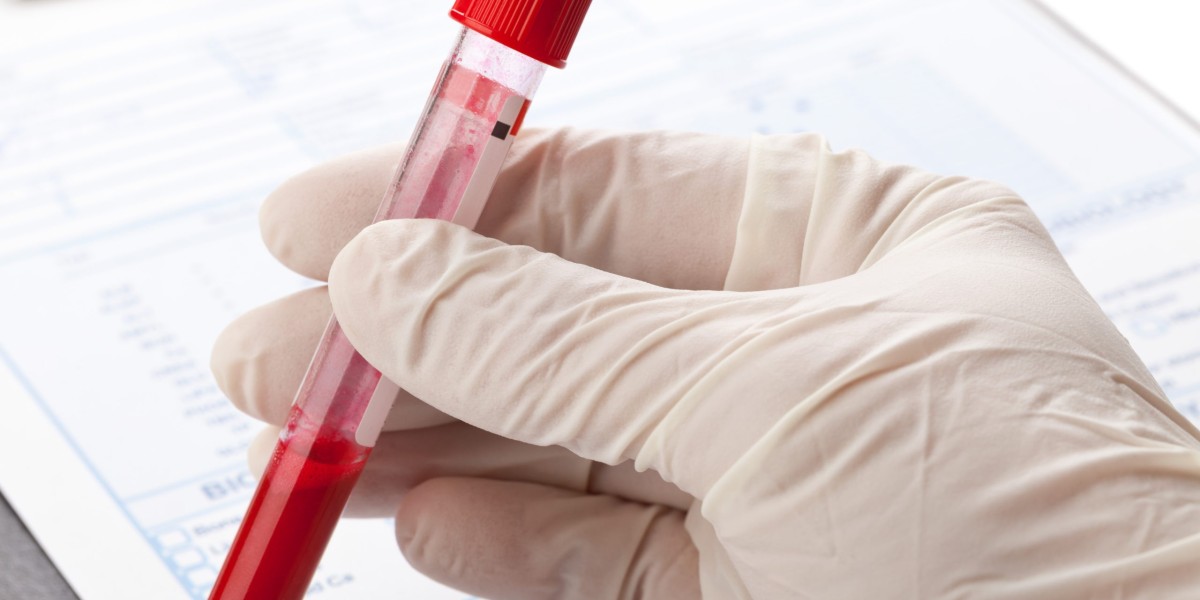

Seeing your Ureaplasma test results can bring relief, confusion, or concern depending on what the report says. Because Ureaplasma Test in Dubai infection is not always included in routine STD screening and can exist with or without symptoms, interpreting your lab findings requires more than just reading “positive” or “negative.” Understanding the terminology, the testing method used, and how results connect to your symptoms is essential for making informed decisions about treatment and follow-up care.
Step One: Identify the Type of Test Performed
Before interpreting the result itself, check how the test was conducted. Most modern laboratories use polymerase chain reaction testing to detect bacterial DNA. PCR diagnostics are highly sensitive and specific, meaning they can identify even small amounts of Ureaplasma in urine samples or genital swabs.
In some cases, bacterial culture may also be mentioned. Culture testing attempts to grow the organism in controlled laboratory conditions, which can help determine antibiotic susceptibility. However, because Ureaplasma lacks a cell wall and has unique growth requirements, PCR testing is generally more reliable for detection.
Knowing which method was used helps you understand the accuracy and clinical relevance of the result.
Understanding a Positive Ureaplasma Test Result:
If your report states “positive” or “detected,” it means bacterial DNA was found in the sample. However, this does not automatically confirm active disease. Ureaplasma can be part of normal genital flora in some individuals, especially those who are sexually active.
To determine whether treatment is necessary, your healthcare provider will evaluate whether you have symptoms such as burning during urination, abnormal vaginal discharge, urethral irritation, pelvic pain, or fertility concerns. A positive result accompanied by inflammation or discomfort is more likely to represent an active genital tract infection.
If symptoms are present, your doctor may prescribe targeted antibiotics such as macrolides or tetracyclines. Because Ureaplasma lacks a cell wall, common antibiotics like penicillin are not effective.
In cases where the positive result occurs without symptoms, your provider may recommend monitoring rather than immediate treatment, depending on your reproductive health goals and overall clinical picture.
What a Negative Result Indicates?
A negative Ureaplasma test means the laboratory did not detect bacterial DNA in your sample. For many individuals, this provides reassurance that symptoms are not linked to Ureaplasma infection.
However, a negative result does not always end the investigation. If you continue to experience persistent urinary tract symptoms, chronic pelvic discomfort, or unexplained genital inflammation, your healthcare provider may explore other causes. These can include Mycoplasma infection, bacterial vaginosis, fungal overgrowth, prostatitis, or noninfectious inflammatory conditions.
False-negative results are uncommon with PCR testing but can occur if antibiotics were taken recently or if the sample was not collected properly.
Quantitative vs. Qualitative Results:
Some laboratory reports simply state “detected” or “not detected,” which is considered a qualitative result. Other reports may provide information about bacterial load, indicating the quantity of Ureaplasma DNA identified.
A higher bacterial load in combination with clinical symptoms may strengthen the likelihood of active infection. A low bacterial load without symptoms may suggest colonization rather than disease. Interpretation should always be guided by a qualified healthcare professional who can assess both lab findings and physical symptoms.
When Results Include Antibiotic Sensitivity Information?
If culture testing was performed alongside PCR diagnostics, your report may list antibiotic susceptibility. This information shows which medications are likely to be effective in treating the infection.
Since antibiotic resistance is an increasing concern in sexual health management, sensitivity data helps doctors select the most appropriate therapy and avoid ineffective medications. Completing the full course of prescribed antibiotics reduces the risk of recurrence and prevents resistant strains from developing.
What to Do After Receiving Your Results?
Your next steps depend on both your test outcome and your symptoms. If your Ureaplasma test is positive and you have signs of urethritis, cervicitis, or pelvic inflammatory disease, treatment should begin promptly. If you are undergoing fertility evaluation, your reproductive specialist may incorporate the results into your broader care plan.
If you are sexually active, partner testing may be recommended. Treating both partners simultaneously reduces the risk of reinfection and supports long-term reproductive health.
For negative results with ongoing symptoms, follow-up appointments are important. Additional laboratory screening, imaging studies, or referral to a specialist may be required to identify the root cause of discomfort.
Ureaplasma Results During Pregnancy:
Pregnant individuals who receive a positive result may require closer monitoring. Although not every positive case leads to complications, untreated genital infections in certain situations have been associated with risks such as preterm labor. Obstetric care providers evaluate each case individually, balancing treatment benefits with safety considerations.
If you are pregnant and receive a positive report, discuss options thoroughly with your healthcare provider before starting any medication.
Retesting and Follow-Up Screening:
Retesting may be recommended several weeks after completing antibiotic therapy to confirm bacterial clearance. This is particularly important for individuals with persistent symptoms, chronic prostatitis, recurrent urinary tract infections, or fertility challenges.
In asymptomatic individuals, routine repeat testing is not always necessary unless new symptoms develop or there is partner exposure.
Avoiding Common Misinterpretations:
One of the most common mistakes is assuming that a positive Ureaplasma test automatically means a serious sexually transmitted disease. While Ureaplasma can be transmitted through sexual contact, it is not always classified in the same category as infections like chlamydia or gonorrhea.
Another misconception is believing that a negative result rules out all causes of genital discomfort. Because many conditions share similar symptoms, comprehensive evaluation is sometimes needed.
Understanding that lab results are part of a bigger diagnostic picture prevents unnecessary anxiety and ensures appropriate medical decision-making.
Taking Control of Your Health After Testing:
Receiving your Ureaplasma Test results is only one step in the process. Whether positive or negative, the report provides valuable information about your urogenital health. The key is interpreting the findings in the context of symptoms, medical history, and reproductive goals.
If you have questions about your report, ask your healthcare provider to explain the findings in detail. Clear communication reduces confusion and helps you understand whether treatment, monitoring, or additional testing is necessary.
Accurate interpretation of Ureaplasma test results supports timely treatment, protects fertility, and promotes overall sexual health. By staying informed and proactive, you ensure that your lab report becomes a tool for clarity rather than a source of uncertainty.