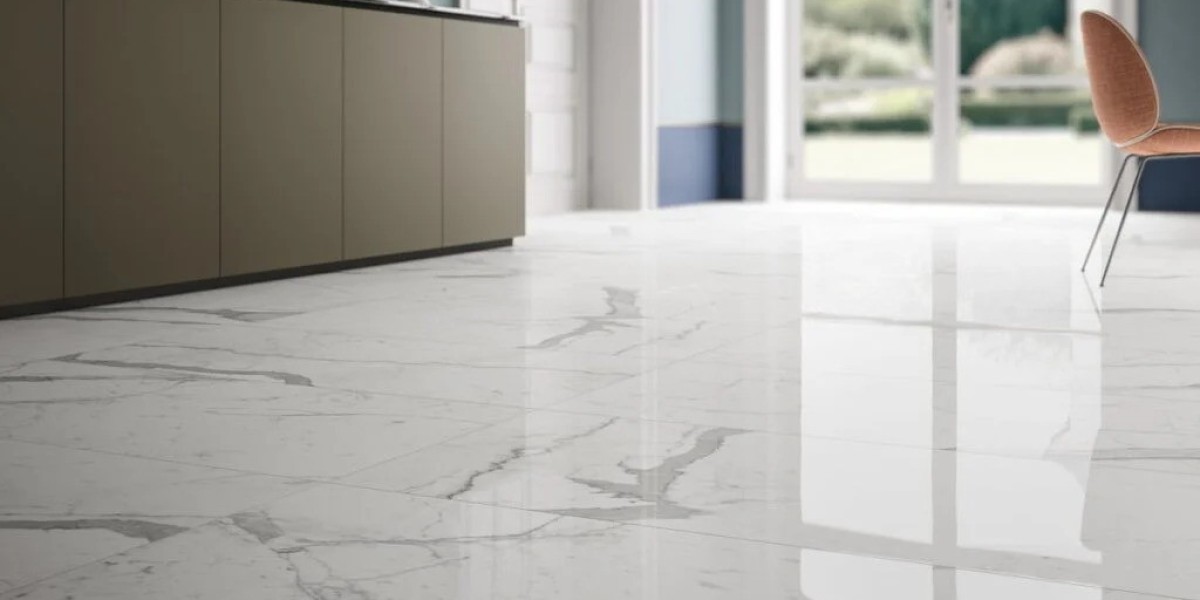

Introduction: Bringing Lasting Beauty to Your Home
When it comes to upgrading your home’s interior, flooring is one of the most impactful changes you can make. Elegant Ceramic Tile Flooring for Homes offers a timeless combination of durability, style, and easy maintenance that fits beautifully into modern and traditional homes alike. In Sterling Heights, MI, where seasonal weather changes can be demanding on interior materials, ceramic tile stands out as a reliable and attractive flooring solution.
Homeowners in this part of Michigan appreciate flooring that can withstand snow-covered boots in winter, muddy shoes in spring, and humid summer days. Ceramic tile flooring delivers exceptional performance while offering a wide variety of design options—from sleek contemporary finishes to rustic, stone-inspired textures.
This guide explores everything you need to know about ceramic tile flooring services in Sterling Heights, MI, including common concerns, installation steps, maintenance advice, and local considerations.
Why Choose Ceramic Tile Flooring?
Ceramic tile has been a popular choice for centuries, and for good reason. It balances beauty with practicality in ways that few materials can match.
Durability That Handles Daily Life
Ceramic tile is resistant to scratches, dents, and moisture. In busy households with children or pets, this resilience makes it an excellent long-term investment. Unlike carpet or hardwood, it does not easily stain or warp.
Water and Moisture Resistance
In areas like kitchens, bathrooms, laundry rooms, and entryways, water exposure is common. Ceramic tile’s non-porous surface (especially when glazed) prevents moisture from seeping through, protecting subfloors and reducing the risk of mold growth.
Wide Range of Design Options
From wood-look planks to marble-inspired patterns, ceramic tile flooring can replicate high-end materials at a more accessible price. Homeowners can choose from:
Matte or glossy finishes
Large-format tiles
Mosaic patterns
Neutral earth tones or bold statement colors
Textured surfaces for slip resistance
This versatility makes ceramic tile suitable for open-concept living spaces, basements, and even accent walls.
Common Flooring Problems in Sterling Heights Homes
Understanding local challenges helps homeowners choose the right flooring solution.
1. Damage from Winter Conditions
Sterling Heights experiences snowy winters. Salt, moisture, and grit tracked indoors can damage certain flooring materials. Hardwood may warp, and carpet can stain. Ceramic tile flooring, however, resists these elements and is easy to clean.
2. Moisture in Basements
Michigan homes often have finished basements. Moisture can be a persistent issue, especially during spring thaws. Ceramic tile is a smart choice for basements because it doesn’t absorb moisture like laminate or carpet.
3. High-Traffic Wear and Tear
Entryways and hallways see heavy foot traffic. Over time, softer flooring materials show signs of wear. Properly installed ceramic tile maintains its appearance for years.
4. Outdated or Cracked Flooring
Older homes in Sterling Heights may still have dated vinyl or cracked tile. Professional ceramic tile installation ensures a modern look and a stable, level surface that enhances property value.
Step-by-Step: Professional Ceramic Tile Flooring Installation
Hiring experienced professionals ensures long-lasting results. Here’s what homeowners can expect from a quality ceramic tile flooring service.
Step 1: In-Home Consultation and Design Planning
The process begins with understanding your space and preferences. Professionals assess:
Room size and layout
Subfloor condition
Moisture levels
Existing flooring removal needs
Homeowners can explore tile samples, discuss color schemes, and select grout options that complement their décor.
Step 2: Subfloor Preparation
Proper preparation is critical for a successful installation. This may include:
Removing old flooring
Repairing cracks or uneven surfaces
Installing a cement backer board
Ensuring the surface is clean and level
A stable subfloor prevents tiles from cracking or shifting over time.
Step 3: Tile Layout and Planning
Before any adhesive is applied, installers map out the tile pattern. This ensures balanced cuts along edges and a symmetrical appearance. Large-format tiles or intricate patterns require precise measurements and alignment.
Step 4: Setting the Tiles
Using high-quality thin-set mortar, each tile is carefully placed and spaced evenly. Spacers maintain consistent grout lines, while level checks ensure a smooth surface.
Step 5: Grouting and Sealing
Once the mortar cures, grout is applied to fill the joints. The right grout color can dramatically influence the final look—contrasting grout highlights patterns, while matching grout creates a seamless appearance.
In certain cases, sealing may be recommended to enhance stain resistance and durability.
Step 6: Final Inspection and Cleanup
A professional installation concludes with a thorough inspection, ensuring:
Tiles are level
Grout lines are even
No hollow spots or loose tiles
The space is clean and ready for use
Mid-Project Insight: Local Expertise Matters
Homeowners searching for Ceramic Tile Flooring services in Sterling Heights, MI benefit from working with professionals who understand the area’s housing styles and climate conditions.
Sterling Heights homes range from mid-century ranches to modern builds. Each property type may require different tile sizes, layouts, and moisture-control measures. Local professionals also consider seasonal temperature fluctuations, ensuring expansion joints and underlayment are properly installed to accommodate natural material movement.
Best Areas in the Home for Ceramic Tile Flooring
Ceramic tile is versatile enough to be used throughout the home.
Kitchens
Resistant to spills, stains, and heat, ceramic tile is ideal for kitchens. It pairs beautifully with modern cabinetry and backsplashes.
Bathrooms
Slip-resistant tile options enhance safety while maintaining a spa-like aesthetic.
Entryways and Mudrooms
Given Michigan’s snowy winters, mudrooms benefit from waterproof flooring that’s easy to mop clean.
Living Areas
Wood-look ceramic planks provide the warmth of hardwood with added durability—perfect for open-concept spaces.
Basements
Tile flooring in basements offers moisture protection and a clean, finished appearance.
Maintenance Tips for Long-Lasting Ceramic Tile Floors
Ceramic tile is low-maintenance, but a few simple practices will keep it looking elegant for years.
Regular Sweeping and Mopping
Remove dirt and grit regularly to prevent surface scratching. Use a damp mop with a mild cleaning solution.
Avoid Harsh Chemicals
Strong acidic cleaners can damage grout over time. Stick to tile-safe products.
Reseal Grout as Needed
While ceramic tiles themselves are durable, grout can benefit from occasional sealing to prevent staining.
Address Cracks Promptly
If a tile becomes cracked due to impact, replacing it quickly prevents further damage.
Design Trends in Sterling Heights Homes
Ceramic tile flooring continues to evolve with new styles and innovations.
Large-Format Tiles
Fewer grout lines create a clean, modern look and make rooms appear larger.
Wood-Look Ceramic Planks
These offer the charm of hardwood with superior moisture resistance.
Neutral Earth Tones
Soft grays, warm beiges, and natural stone finishes are especially popular in Michigan homes.
Patterned Tile Accents
Some homeowners incorporate decorative tiles in entryways or kitchen areas for a unique touch.
Local Considerations for Sterling Heights, MI
Sterling Heights experiences cold winters and humid summers. Flooring must adapt to temperature changes without cracking or warping.
Ceramic tile performs well because:
It resists moisture from snow and rain
It handles indoor humidity
It pairs well with radiant floor heating systems
It maintains structural integrity year-round
Additionally, ceramic tile’s thermal properties make it compatible with heated flooring systems—a popular upgrade during Michigan winters.
Adding Value to Your Home
Investing in professional ceramic tile flooring enhances both functionality and resale value. Potential buyers appreciate durable, modern flooring that requires minimal upkeep.
Well-installed ceramic tile can last decades, making it a cost-effective long-term solution.
Conclusion
Elegant ceramic tile flooring offers Sterling Heights homeowners a practical and stylish way to upgrade their living spaces. From moisture resistance and durability to endless design possibilities, ceramic tile meets the demands of Michigan’s climate while enhancing interior beauty.
For homeowners seeking expert craftsmanship and personalized design guidance, Unique Flooring & Design provides professional ceramic tile flooring services tailored to local homes. With the right materials and experienced installation, ceramic tile can transform any room into a durable and elegant space that stands the test of time.
FAQs About Ceramic Tile Flooring in Sterling Heights, MI
1. How long does ceramic tile flooring last?
With proper installation and maintenance, ceramic tile flooring can last 20–50 years or more.
2. Is ceramic tile suitable for Michigan winters?
Yes. It resists moisture from snow and salt and works well with radiant heating systems.
3. Can ceramic tile be installed over existing flooring?
In some cases, yes. A professional evaluation is needed to ensure the subfloor is stable and level.
4. Is ceramic tile slippery?
Slip-resistant finishes are available, making it safe for kitchens, bathrooms, and entryways.
5. How do I clean ceramic tile floors?
Sweep regularly and mop with a mild cleaner. Avoid harsh chemicals that can damage grout.
6. Does ceramic tile increase home value?
Yes. Durable, attractive flooring is a desirable feature for potential buyers.
7. What is the difference between ceramic and porcelain tile?
Porcelain is denser and more water-resistant, but ceramic offers excellent durability at a more accessible price.
8. How long does installation take?
Most residential projects take several days, depending on room size and preparation needs.
9. Can ceramic tile be used in basements?
Yes. It is ideal for basements because it resists moisture and humidity.
10. How do I choose the right tile style?
Consider your home’s overall design, lighting, room size, and maintenance preferences. Professional consultations help narrow down the best options.