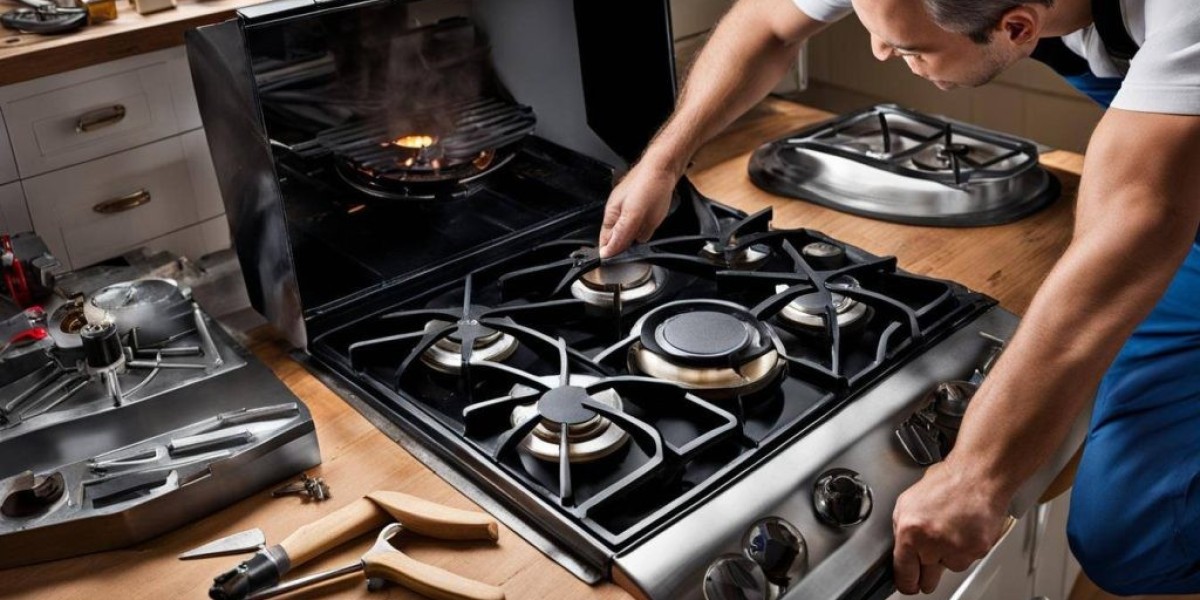

Stove Oven Repair in Pasco County, FL
When your kitchen appliances stop working, daily life can quickly become stressful. From preparing family dinners to hosting gatherings, a dependable stove and oven are essential. Professional Stove Oven Repair ensures your cooking appliances are restored quickly, safely, and efficiently—especially in a busy area like Pasco County, FL.
In homes across Pasco County, residents rely heavily on their kitchen ranges for everyday cooking. Whether it’s a gas stove that won’t ignite, an electric oven that won’t heat, or a glass cooktop with cracks, timely repairs can prevent further damage and avoid costly replacements. Let’s explore everything homeowners need to know about stove and oven repair services in this area.
Why Stove Oven Repair Is Essential for Pasco County Homes
Your stove and oven are more than appliances—they are daily necessities. When they malfunction, it affects:
Meal preparation schedules
Household safety
Energy efficiency
Utility bills
Overall kitchen functionality
In Pasco County’s fast-paced households, waiting days or weeks for repairs is rarely an option. Reliable appliance repair services ensure:
Safe handling of gas lines and electrical components
Proper diagnostics using professional tools
Genuine replacement parts
Long-lasting repair solutions
Ignoring small issues—like uneven heating or delayed ignition—can lead to bigger problems down the line. Addressing them early saves both time and money.
Common Stove and Oven Problems in Pasco County, FL
1. Oven Not Heating Properly
One of the most frequent complaints from homeowners is inconsistent oven temperature. Causes may include:
Faulty heating elements
Defective temperature sensors
Malfunctioning control boards
Broken igniters (in gas ovens)
An oven that underheats can ruin meals, while overheating can pose safety risks.
2. Gas Burner Won’t Ignite
Gas stoves are popular in many Florida homes. When burners fail to ignite, the issue could stem from:
Clogged burner ports
Faulty spark electrodes
Ignition switch problems
Gas flow interruptions
If you smell gas but the burner won’t light, it’s crucial to turn off the appliance and seek professional help immediately.
3. Electric Cooktop Not Working
Electric stovetops may stop working due to:
Burned-out surface elements
Loose wiring connections
Damaged infinite switches
Tripped circuit breakers
These problems require proper diagnosis to ensure electrical safety.
4. Oven Door Won’t Close Properly
A misaligned or broken oven door can cause heat to escape, leading to uneven cooking and increased energy usage. This often involves:
Worn hinges
Damaged door springs
Faulty door seals (gaskets)
5. Control Panel Malfunctions
Modern ranges often include digital displays and touch controls. When these fail, you may experience:
Error codes
Unresponsive buttons
Inconsistent settings
Complete shutdowns
Electronic control board repairs require technical expertise to prevent further damage.
Step-by-Step: What to Expect from Professional Stove Oven Repair
Understanding the repair process helps homeowners feel confident and informed.
Step 1: Initial Inspection and Diagnosis
A technician will:
Inspect burners, elements, wiring, and gas lines
Test electrical voltage
Evaluate thermostat accuracy
Identify error codes
This ensures the root cause—not just the symptoms—is addressed.
Step 2: Transparent Explanation of the Issue
After diagnosing the problem, the technician explains:
What’s malfunctioning
Why it happened
Recommended repair solutions
Estimated repair timeline
Clear communication helps homeowners make informed decisions.
Step 3: Safe and Efficient Repair
Repairs may involve:
Replacing heating elements
Installing new igniters
Repairing wiring
Replacing control boards
Adjusting gas components
Safety is especially critical when dealing with gas stoves and high-voltage electric ovens.
Step 4: Testing and Final Safety Check
Before leaving, the technician ensures:
Burners ignite properly
Oven temperature is accurate
Controls function correctly
No gas leaks are present
This final check guarantees safe and reliable operation.
Unique Local Considerations in Pasco County, FL
Homeowners seeking Stove Oven Repair services in Pasco County, FL often face region-specific challenges.
1. High Humidity
Florida’s humid climate can affect electrical components inside ovens and ranges. Moisture may:
Corrode wiring
Affect circuit boards
Cause sensor malfunctions
Regular inspections help prevent humidity-related issues.
2. Power Surges During Storm Season
Pasco County experiences frequent thunderstorms, particularly in summer. Power surges can:
Damage control boards
Affect digital displays
Disrupt electronic ignition systems
Installing surge protectors can help protect your appliances.
3. Coastal Air Exposure
In areas closer to the Gulf, salty air can accelerate corrosion on metal components. Over time, this may weaken burner assemblies or electrical contacts.
Maintenance Tips to Prevent Stove and Oven Breakdowns
Routine maintenance can significantly extend the life of your kitchen appliances.
Clean Burners Regularly
Food spills can clog burner ports and cause uneven flames. Clean them gently using:
Warm soapy water
A soft brush
Non-abrasive cleaners
Avoid harsh chemicals that damage finishes.
Check Oven Seals
Inspect door gaskets periodically. If you notice cracks or loose sections, replacement prevents heat loss and reduces strain on heating elements.
Avoid Slamming the Oven Door
Repeated force can damage hinges and misalign the door.
Keep Control Panels Dry
Moisture can interfere with electronic components. Wipe spills immediately and avoid excessive water near digital displays.
Schedule Preventive Inspections
Periodic professional inspections identify minor problems before they escalate.
When Should You Repair vs. Replace?
Many homeowners wonder whether repair is worth it.
Consider Repair If:
Appliance is under 10 years old
The issue is isolated (e.g., heating element or igniter)
Repair cost is significantly less than replacement
The appliance otherwise works well
Consider Replacement If:
Major components fail repeatedly
The appliance is very old
Repairs exceed half the cost of a new unit
Energy efficiency is extremely poor
A professional technician can guide you through this decision.
Benefits of Hiring a Local Appliance Repair Company
Choosing a trusted local service offers several advantages:
Faster response times
Familiarity with local electrical and gas systems
Understanding of climate-related appliance issues
Personalized customer service
A locally focused company understands the needs of Pasco County residents and provides solutions tailored to the region.
Safety First: Why DIY Repairs Can Be Risky
While some minor cleaning tasks are manageable, stove and oven repairs often involve:
Gas lines
Electrical wiring
High heat components
Sensitive electronic systems
Improper repairs can lead to:
Fire hazards
Gas leaks
Electric shock
Voided warranties
Professional technicians have the training and equipment necessary to handle these risks safely.
Energy Efficiency and Cost Savings
A properly functioning stove and oven:
Heats evenly
Uses less electricity or gas
Reduces cooking time
Prevents energy waste
Small repairs—like replacing a faulty thermostat—can significantly improve efficiency and lower utility bills.
Serving the Kitchens of Pasco County with Care
From family homes to rental properties, reliable stove and oven repair keeps kitchens running smoothly throughout Pasco County. Quick diagnostics, accurate repairs, and safety checks make all the difference when appliances fail unexpectedly.
If your range is acting up, don’t wait until the problem worsens. Professional service restores both convenience and peace of mind. For dependable solutions and expert appliance care, trust TB ELECTRONIX 2026 to keep your kitchen appliances performing at their best.
Frequently Asked Questions (FAQs)
1. How quickly can stove and oven repairs be completed?
Most common repairs can be completed within one visit, depending on parts availability and the complexity of the issue.
2. Is it safe to use my oven if it’s not heating evenly?
It’s best to avoid using it until diagnosed. Uneven heating may indicate faulty elements or sensors that could worsen.
3. What should I do if I smell gas from my stove?
Turn off the appliance immediately, avoid using open flames, and contact a professional technician.
4. Why does my electric stove keep tripping the breaker?
This could indicate a wiring issue, a short circuit, or a failing heating element that requires inspection.
5. How long do stoves and ovens typically last?
Most ranges last 10–15 years with proper maintenance.
6. Can humidity in Pasco County affect my appliance?
Yes. High humidity can impact electrical components and cause corrosion over time.
7. Are replacement parts readily available?
Common parts like heating elements and igniters are typically available quickly through professional repair services.
8. Is repairing my oven more affordable than replacing it?
In many cases, yes—especially if the appliance is relatively new and the issue is isolated.
9. Do power surges damage stove control boards?
Yes, especially in areas with frequent storms. Surge protection is recommended.
10. How can I prevent future stove and oven problems?
Regular cleaning, checking seals, avoiding excessive moisture, and scheduling professional inspections can significantly reduce the risk of breakdowns.