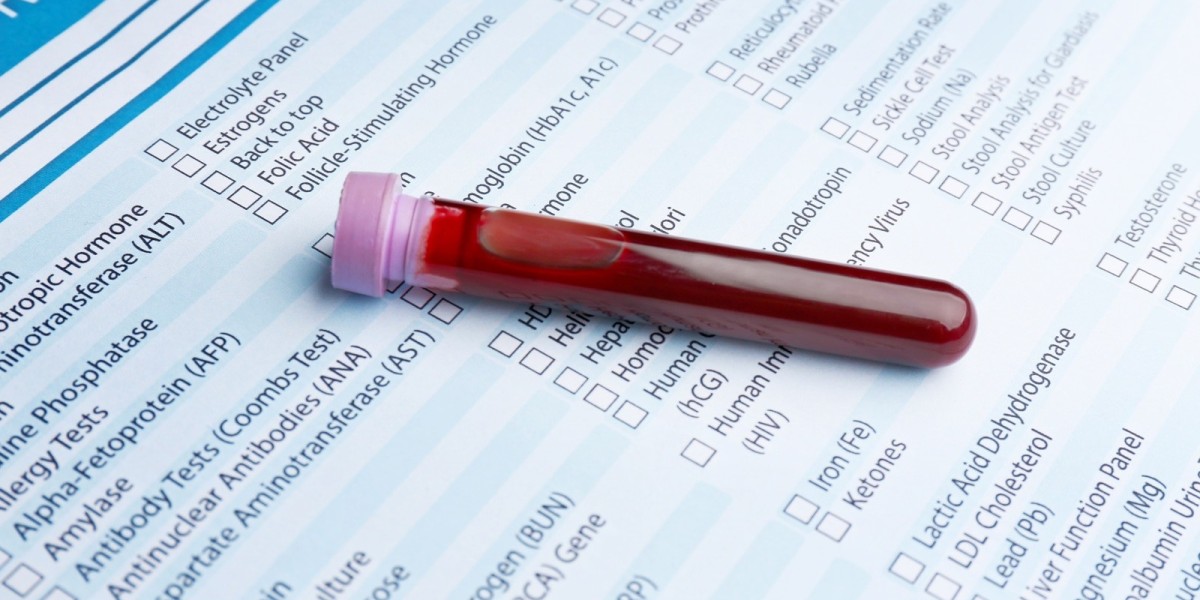

When discussing viral hepatitis, most people are familiar with Hepatitis A, B, and C. However, Hepatitis D is often overlooked despite being one of the most aggressive forms of viral liver infection. What makes it unique is that the Hepatitis D Test in Dubai virus (HDV) cannot infect a person on its own. It requires the presence of the hepatitis B virus (HBV) to survive and multiply. This makes screening through a Hepatitis D Test critically important for anyone diagnosed with Hepatitis B.
Liver health plays a central role in digestion, detoxification, metabolism, and immune regulation. When a chronic liver infection like HDV goes undetected, it can accelerate liver inflammation, fibrosis progression, and eventually lead to cirrhosis or liver failure. Early diagnosis through proper blood testing allows patients and healthcare providers to take preventive and therapeutic steps before irreversible damage occurs.
Understanding Hepatitis D and Its Impact on the Liver:
Hepatitis D, also called delta hepatitis, is caused by HDV, a defective RNA virus that depends on HBV surface antigen to replicate. Infection occurs either as a co-infection (simultaneous HBV and HDV infection) or as a superinfection (HDV infection in someone already living with chronic Hepatitis B). Superinfection tends to be more severe and is strongly associated with rapid progression of chronic liver disease.
The liver becomes inflamed as the immune system responds to viral replication. Over time, repeated inflammation leads to liver cell injury, scarring (fibrosis), and structural damage. Without timely intervention, this process may develop into advanced liver cirrhosis or hepatocellular carcinoma. Because symptoms may remain mild or nonspecific in early stages, diagnostic screening becomes the most reliable way to identify infection.
What Is a Hepatitis D Test and How Does It Work?
A Hepatitis D Test is a laboratory blood test designed to detect markers of HDV infection. It is typically recommended for individuals who test positive for Hepatitis B surface antigen (HBsAg). The test identifies whether a person has been exposed to HDV and whether the infection is currently active.
The diagnostic process often includes detection of anti-HDV antibodies, which indicate immune response to the virus. If antibodies are present, an HDV RNA test may be performed to confirm active viral replication. Measuring viral load helps determine disease activity and guides treatment decisions. In many cases, liver function tests such as ALT and AST are evaluated alongside HDV testing to assess liver inflammation and damage.
This combination of serological and molecular testing provides a clear picture of infection status and liver health.
Why the Hepatitis D Test Is Essential for People With Hepatitis B?
The most important reason to undergo a Hepatitis D Test is the significantly increased risk of complications when HDV coexists with HBV. Compared to Hepatitis B alone, HDV infection can cause more aggressive liver injury and faster disease progression.
Patients with chronic Hepatitis B who experience worsening liver enzyme levels, unexplained fatigue, jaundice, or signs of advanced fibrosis should be screened for HDV. Identifying superinfection early allows for closer monitoring, antiviral therapy consideration, and lifestyle adjustments that can reduce liver-related complications.
Medical guidelines increasingly recommend HDV screening for all individuals who test positive for HBsAg, particularly those at higher risk due to intravenous drug use, multiple blood transfusions, or high-risk sexual exposure.
Key Benefits of Early Hepatitis D Screening:
Early detection through a Hepatitis D Test provides multiple health benefits. First, it enables prompt medical evaluation and management, potentially slowing disease progression. Second, it allows for risk stratification by assessing viral load and liver fibrosis stage. Third, it supports preventive strategies to avoid further liver injury.
When diagnosed early, patients can adopt protective measures such as abstaining from alcohol, maintaining a healthy diet, managing metabolic risk factors, and attending regular medical follow-ups. These steps can significantly improve long-term liver outcomes.
Moreover, identifying HDV infection reduces the likelihood of undetected transmission and supports better public health management of viral hepatitis.
Symptoms That Should Not Be Ignored:
One of the challenges of Hepatitis D infection is that symptoms can mimic other forms of liver disease or remain silent in early stages. However, certain warning signs should prompt medical consultation and possible HDV testing. These include persistent fatigue, yellowing of the eyes or skin, dark urine, abdominal discomfort, nausea, and loss of appetite.
In advanced cases, patients may develop swelling in the abdomen, easy bruising, confusion due to hepatic encephalopathy, or unexplained weight loss. Because these symptoms often appear after significant liver damage has already occurred, proactive screening remains the safest approach for at-risk individuals.
How Hepatitis D Accelerates Liver Damage?
HDV triggers a stronger inflammatory response compared to many other viral infections affecting the liver. This heightened immune activity increases liver cell destruction and speeds up fibrosis formation. Clinical studies have shown that individuals with HDV superinfection face a higher likelihood of developing cirrhosis within a shorter timeframe than those with chronic Hepatitis B alone.
Chronic inflammation disrupts normal liver architecture, impairing its ability to filter toxins, produce essential proteins, and regulate metabolism. As scar tissue accumulates, blood flow through the liver becomes restricted, leading to portal hypertension and other serious complications.
A timely Hepatitis D Test helps detect infection before these structural changes become irreversible.
The Role of Hepatitis D Testing in Long-Term Disease Management:
Managing chronic viral hepatitis requires ongoing monitoring and tailored treatment strategies. A confirmed HDV diagnosis influences clinical decision-making, including antiviral therapy options and frequency of liver imaging.
While treatment options for HDV are more limited than for HBV or HCV, early identification allows physicians to evaluate emerging therapies, consider interferon-based regimens, and monitor for signs of liver cancer. Regular assessment of liver enzymes, viral replication levels, and fibrosis progression becomes part of a comprehensive care plan.
In this way, the Hepatitis D Test is not just a diagnostic tool but a foundation for structured long-term liver disease management.
Prevention Starts With Awareness:
Because HDV depends on HBV, prevention strategies focus largely on Hepatitis B vaccination. Individuals who are immunized against HBV are protected from HDV infection. For those already living with chronic Hepatitis B, routine screening and safe practices are critical preventive measures.
Avoiding needle sharing, ensuring safe blood transfusion practices, and practicing safe sex can reduce the risk of viral transmission. Healthcare workers and high-risk populations should follow strict infection control guidelines.
Awareness of the importance of the Hepatitis D Test empowers patients to take proactive steps in safeguarding their liver health.
Frequently Asked Questions About Hepatitis D Testing:
Is the test complicated? The procedure involves a simple blood draw and does not require complex preparation.
How often should testing be done? For individuals with chronic Hepatitis B, screening may be recommended at diagnosis and repeated if liver function worsens.
Can Hepatitis D resolve on its own? Acute co-infection may clear in some cases, but chronic superinfection often requires medical management and monitoring.
Does a negative result mean I am completely safe? A negative result indicates no evidence of current or past HDV infection at the time of testing, but continued monitoring may be necessary if risk factors persist.
Protecting Your Liver for the Future:
The liver is remarkably resilient, yet it can only withstand sustained inflammation for so long. Viral hepatitis remains a leading cause of chronic liver disease worldwide, and HDV infection significantly increases the burden of complications. A Hepatitis D Test serves as a critical checkpoint for individuals living with Hepatitis B, offering clarity about co-infection status and guiding appropriate medical action.
Prioritizing early screening, routine liver function monitoring, and preventive healthcare decisions can dramatically alter the course of chronic liver disease. If you have Hepatitis B or fall into a high-risk category, discussing HDV testing with your healthcare provider is a proactive step toward preserving long-term liver health.