
If your doctor has recommended a Hepatitis A test, you may have questions about why it’s needed, how it works, and what the results actually mean. Hepatitis A Test in Dubai is a contagious liver infection caused by the hepatitis A virus (HAV). While it usually leads to an acute and self-limiting illness rather than chronic liver disease, early diagnosis is essential to prevent complications and limit transmission.
This guide breaks down the purpose of the test, the medical procedure involved, and how to interpret the results, using clear explanations rooted in clinical practice and liver health guidelines.
What Is the Main Purpose of a Hepatitis A Test?
The primary purpose of a Hepatitis A test is to detect antibodies in the bloodstream that indicate current, recent, or past infection. When the hepatitis A virus enters the body, the immune system produces specific proteins called antibodies to fight it.
Testing helps healthcare providers to:
Confirm a suspected acute hepatitis A infection
Determine whether symptoms like jaundice or fatigue are caused by HAV
Differentiate hepatitis A from hepatitis B or hepatitis C
Assess immunity status after vaccination or prior exposure
Support public health measures during an outbreak
Because symptoms of viral hepatitis often overlap, laboratory confirmation through antibody testing is the most reliable way to establish a diagnosis.
A Quick Overview of Hepatitis A and Liver Impact:
Hepatitis A primarily affects the liver, an organ responsible for detoxification, metabolism, and bile production. When infected, the liver becomes inflamed, which can disrupt normal function. This inflammation may lead to elevated liver enzymes such as ALT (alanine aminotransferase) and AST (aspartate aminotransferase), commonly detected through liver function tests.
The virus spreads mainly through the fecal-oral route, often via contaminated food, water, or close personal contact. Unlike other forms of viral hepatitis, hepatitis A does not typically cause long-term liver damage, but severe cases can lead to acute liver failure, especially in older adults or those with pre-existing liver disease.
Types of Hepatitis A Tests You Should Know About:
Understanding the different types of antibody tests is key to interpreting results accurately. The Hepatitis A test generally includes the following markers:
Anti-HAV IgM Antibody Test:
This test detects immunoglobulin M antibodies, which appear early during infection. A positive IgM result usually indicates a recent or active hepatitis A infection. These antibodies typically remain detectable for several months.
Anti-HAV IgG Antibody Test:
This test identifies immunoglobulin G antibodies. IgG antibodies develop later and provide long-term immunity. A positive result usually means past infection or successful hepatitis A vaccination.
Total Anti-HAV Test:
Some laboratories conduct a total antibody test that detects both IgM and IgG antibodies. If positive, further testing may be required to determine whether the infection is recent or if immunity is present.
Doctors may also order additional diagnostic tests, such as bilirubin levels or a complete metabolic panel, to evaluate liver function and overall health status.
When Is a Hepatitis A Test Recommended?
A Hepatitis A test is typically recommended under specific medical circumstances. You may need testing if you experience symptoms associated with acute viral hepatitis, including:
Yellowing of the skin or eyes
Dark urine
Pale stools
Abdominal discomfort near the liver
Loss of appetite
Nausea and vomiting
Persistent fatigue
Testing is also advised if you have been exposed to contaminated food, traveled to high-risk regions, had close contact with someone diagnosed with hepatitis A, or are part of a high-risk group such as food handlers or healthcare workers.
In outbreak situations, public health authorities may recommend broader screening to prevent community spread.
Step-by-Step: How the Hepatitis A Test Procedure Works
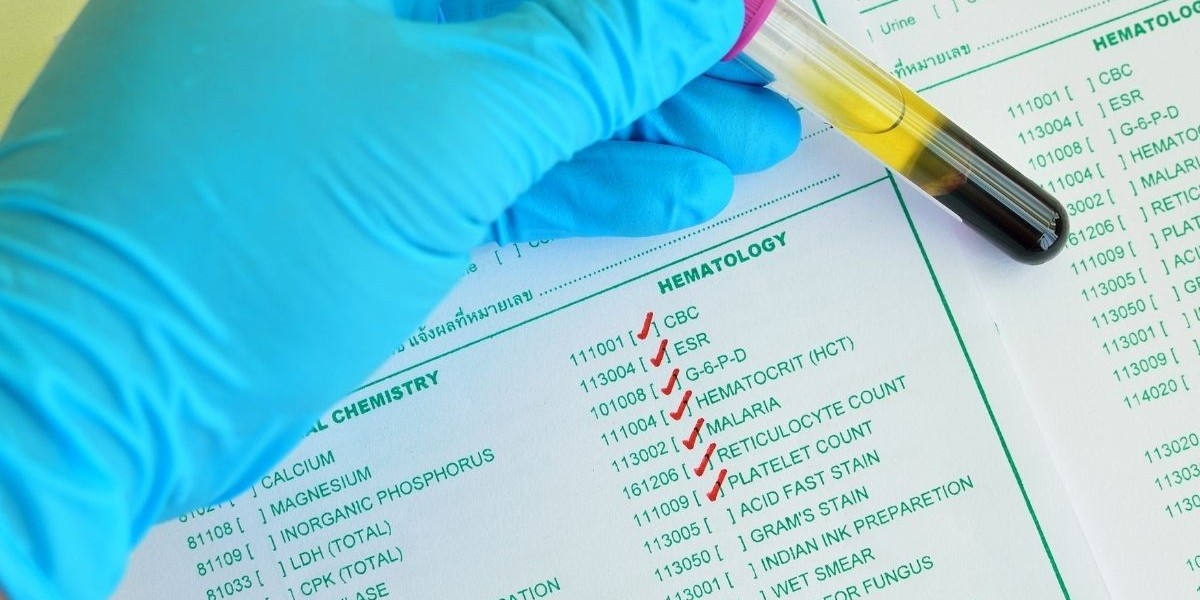
The procedure itself is simple and minimally invasive. It involves a standard blood draw performed in a clinic, hospital, or diagnostic laboratory.
First, a healthcare professional cleans the area on your arm. A sterile needle is inserted into a vein to collect a small blood sample. The sample is placed in a test tube and sent to a laboratory for analysis. The entire process usually takes only a few minutes.
No special preparation is typically required. You can eat and drink normally unless your doctor has ordered additional blood work that requires fasting.
Most people experience only mild discomfort at the injection site, such as slight bruising or tenderness.
How Long Does It Take to Get Results?
Results from a Hepatitis A test are usually available within a few days, depending on the laboratory. In urgent cases, such as suspected outbreaks, results may be expedited.
It is important to discuss the findings with a qualified healthcare provider, as interpretation depends on antibody type and clinical symptoms.
Understanding Hepatitis A Test Results Clearly:
Interpreting the results correctly is crucial for proper medical management. Here is what the outcomes generally indicate:
If Anti-HAV IgM is positive and IgG is negative, this usually confirms a current or recent infection.
If IgM is negative and IgG is positive, this indicates past infection or immunity from vaccination.
If both antibodies are negative, it suggests no prior exposure and no immunity.
If both are positive, it may indicate a recent infection during the recovery phase.
Doctors often correlate these findings with liver enzyme levels and clinical symptoms to ensure an accurate diagnosis.
What Happens After a Positive Result?
If your Hepatitis A Test confirms an active infection, treatment focuses on supportive care rather than antiviral medication. There is no specific cure for hepatitis A, but most individuals recover completely within weeks to months.
Medical advice typically includes:
Adequate rest
Maintaining hydration
Eating a balanced diet
Avoiding alcohol to reduce liver strain
Monitoring liver function through follow-up blood tests
In rare cases of severe liver inflammation or signs of acute liver failure, hospitalization may be required.
How Accurate Is the Hepatitis A Test?
The Hepatitis A test is highly reliable when performed at the appropriate time after exposure. However, testing too early during the incubation period may result in a false-negative result because antibodies have not yet developed.
For this reason, doctors may recommend repeat testing if exposure is strongly suspected but initial results are negative.
Laboratory-based antibody testing remains the gold standard for diagnosing hepatitis A infection.
Frequently Asked Questions About the Hepatitis A Test:
Is the test painful?
It involves a standard blood draw, which causes minimal discomfort.
Do I need to fast before testing?
Fasting is generally not required unless additional liver function tests are ordered.
Can the test detect past infection?
Yes. The presence of IgG antibodies confirms past exposure or vaccination.
Is hepatitis A dangerous?
Most people recover fully, but severe complications can occur in older adults or those with chronic liver disease.
Final Thoughts: Taking Control of Your Liver Health
A Hepatitis A test is a straightforward yet essential diagnostic tool that helps detect infection, confirm immunity, and guide preventive care. Whether prompted by symptoms, possible exposure, abnormal liver enzyme results, or vaccination planning, this blood test provides clarity and direction for your health decisions.
Understanding the purpose, procedure, and results empowers you to act quickly and responsibly. If you suspect exposure to the hepatitis A virus or experience symptoms of liver inflammation, consult a healthcare professional for timely screening and guidance. Early detection not only protects your liver but also helps prevent the spread of infection within your community.










