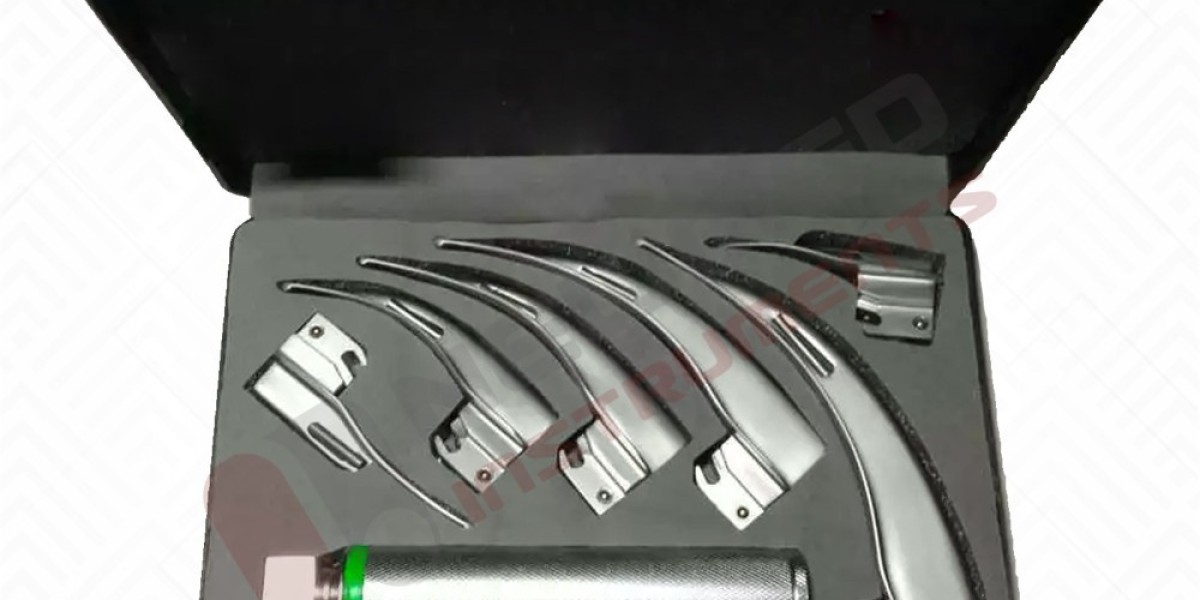

In airway management, precision is not just a goal; it is an absolute necessity. The process of endotracheal intubation, a common yet critical procedure, depends heavily on the quality and design of the tools used. Among these, the laryngoscope and its accompanying blades are paramount. For surgeons, medical students, and dedicated healthcare professionals, understanding the nuances of intubation blades is fundamental to ensuring patient safety and achieving successful outcomes. At New Med Instruments, we are committed to providing the superior instruments necessary for these high-stakes environments, empowering professionals to perform with confidence and precision.
The Essential Function of Laryngoscope Blades
The primary purpose of a laryngoscope blade is to displace the tongue and soft tissues of the pharynx to expose the vocal cords, thereby allowing for the direct visualization and insertion of an endotracheal tube. This seemingly simple function is a delicate art, requiring a tool that is both robust and ergonomically designed. The right blade minimizes trauma to the patient's airway, reduces the time required for the procedure, and increases the first-pass success rate. The choice between different types of blades often comes down to patient anatomy, the clinical situation, and the practitioner's personal experience and training.
Exploring the Macintosh Blade: A Curved Approach
One of the most widely recognized and utilized intubation blades is the Macintosh blade. Developed by Sir Robert Macintosh, this curved blade is designed to be inserted into the vallecula, the space between the base of the tongue and the epiglottis. By applying gentle, upward pressure, the blade indirectly lifts the epiglottis to reveal the glottic opening. Its curved shape is generally considered less stimulating to the gag reflex and provides more room within the oral cavity for tube passage, making it a preferred choice for many adult intubations. The effectiveness of the Macintosh blade hinges on its precise curvature and smooth finish, features that New Med Instruments prioritizes in its manufacturing process to ensure perfect results.
The Miller Blade: A Straight Path to Visualization
In contrast to the curved Macintosh, the Miller blade offers a straight design. This blade is engineered to directly lift the epiglottis to expose the vocal cords. The Miller blade is often favored for pediatric patients and certain adult patients with a long, "floppy" epiglottis or an anteriorly positioned larynx. Its narrow, straight profile provides excellent control and direct manipulation of the anatomy. For medical students learning the intricacies of airway management, mastering the use of both straight and curved intubation blades is a crucial part of their education, equipping them with the versatility needed for diverse patient scenarios.
Specialized Blades for Unique Clinical Challenges
Beyond the standard Macintosh and Miller designs, a variety of specialty blades exist to address difficult airway situations. Blades with modified tips, video-integrated capabilities, or unique angulation are developed to overcome anatomical challenges such as limited mouth opening, a prominent overbite, or a short neck. These advanced tools underscore the continuous innovation within the medical field. New Med Instruments supports this progress by offering a range of high-quality instruments that cater to both routine procedures and the most complex cases, ensuring healthcare professionals have access to the tools they need for every patient. The selection of the correct blade is a key decision that directly impacts procedural success and patient well-being.
The Uncompromising Standard of Quality and Material
The material and manufacturing quality of intubation blades cannot be overstated. Reusable mac blades are typically crafted from surgical-grade stainless steel, which provides durability, resistance to corrosion, and the ability to withstand rigorous sterilization processes. A matte or satin finish is often preferred to reduce glare from the blade's light source, thereby improving visualization of the airway structures. Single-use blades, often made from high-grade polymer or metal, eliminate the risks of cross-contamination. New Med Instruments is dedicated to providing superior service and instruments that meet these exacting standards, because we believe that both surgeon and patient deserve nothing less than perfection.
Maintenance, Sterilization, and Patient Safety
Proper care and handling of reusable intubation blades are critical for patient safety. After each use, blades must be thoroughly cleaned to remove all organic material before undergoing high-level disinfection or sterilization. Adherence to strict institutional protocols prevents the transmission of infections and ensures the instrument remains in optimal condition for its next use. A damaged or improperly cleaned blade can pose a significant risk, potentially causing tissue trauma or leading to procedural complications. Our mission extends beyond simply providing tools; it includes advocating for the best practices that protect patients and support the professionals who care for them.