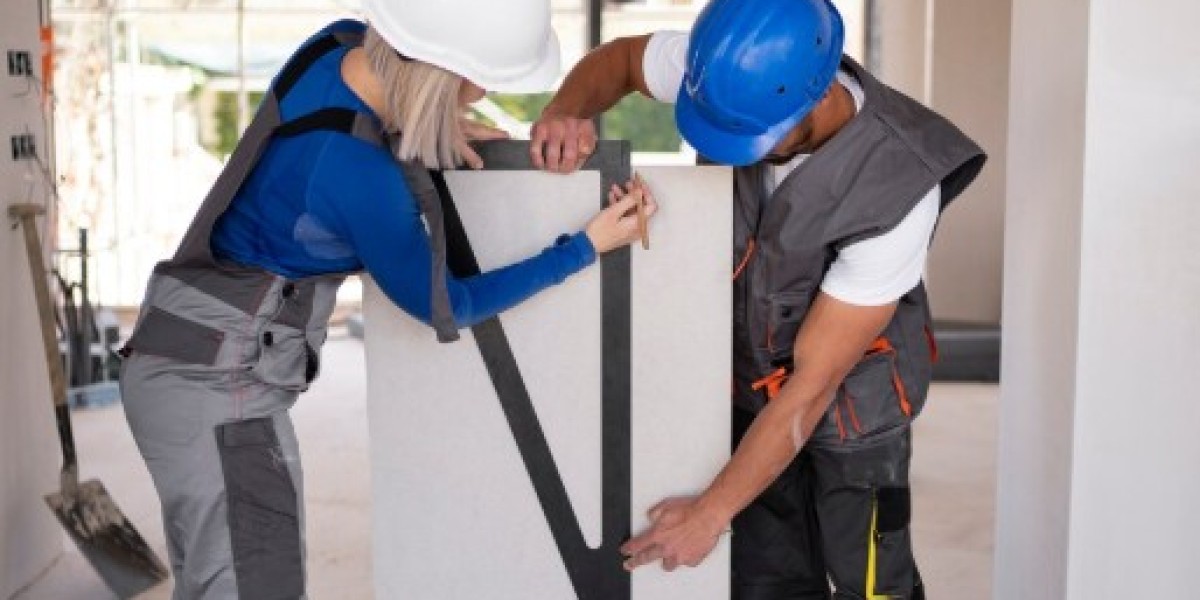

Safety is not optional on a job site. For every commercial drywall contractor, strict safety standards protect workers, clients, and the long-term integrity of the building. Commercial projects move fast and involve large crews, heavy materials, and elevated work areas. Without clear safety procedures, risks increase quickly.
Professional drywall installation is not just about smooth finishes and tight seams. It also requires disciplined planning, proper equipment, and compliance with national safety regulations. Here are the key safety standards every contractor must follow on commercial projects.
Compliance With OSHA Regulations
In the United States, commercial contractors must follow standards set by the Occupational Safety and Health Administration. These regulations cover fall protection, scaffolding, ladder use, electrical safety, and personal protective equipment.
Failing to meet these standards can result in fines, project delays, or job shutdowns. More importantly, non-compliance puts workers at risk. A responsible contractor ensures that every crew member understands site-specific safety protocols before work begins.
Proper Fall Protection Systems
Commercial drywall work often involves ceilings, high walls, and multi-level structures. Fall protection is critical when working at heights.
Safety measures should include:
Guardrails or temporary barriers
Properly assembled scaffolding
Secure ladder placement
Harness systems when required
Supervisors must inspect equipment daily. Damaged ladders or unstable platforms should never be used. Preventing falls is one of the most important responsibilities on a commercial site.
Personal Protective Equipment Requirements
Personal protective equipment reduces the risk of injury from dust, falling debris, and sharp materials. Standard gear for drywall crews includes:
Hard hats
Safety glasses
Gloves
Dust masks or respirators
Steel-toe boots
Drywall cutting and sanding create airborne particles that can irritate lungs and eyes. Proper protective equipment minimizes long term health risks.
Safe Material Handling Procedures
Drywall panels are heavy and awkward to maneuver. Improper lifting can cause serious back injuries.
Commercial contractors must train workers in safe lifting techniques and encourage team lifts for large sheets. Mechanical lifts should be used for ceiling panels whenever possible.
Organized staging areas also reduce tripping hazards and prevent materials from shifting or falling during drywall installation.
Dust Control and Air Quality Management
Drywall sanding produces fine dust that spreads quickly through commercial spaces. Without proper containment, it can impact other trades and create respiratory hazards.
Best practices include:
Sealing work zones with plastic barriers
Using vacuum attached sanding tools
Maintaining adequate ventilation
Scheduling sanding when fewer workers are present
Air quality control protects everyone on site and keeps projects running smoothly.
Electrical and Fire Safety Awareness
Commercial construction sites often have exposed wiring and temporary power systems. Contractors must coordinate closely with electricians to avoid accidental contact with live wires.
Additionally, drywall materials should be stored away from heat sources. Fire-rated assemblies must be installed exactly according to code specifications. Deviating from approved fire resistance ratings can create major compliance issues during inspections.
Clear Communication and Site Coordination
Large commercial projects involve multiple trades working simultaneously. Miscommunication can lead to accidents.
Daily safety meetings help align crews on hazards, scheduling changes, and restricted areas. Clear signage and marked walkways reduce confusion and prevent injuries.
A proactive commercial drywall contractor prioritizes coordination with project managers and other subcontractors to maintain safe working conditions.
Equipment Inspection and Maintenance
Tools and machinery must be inspected regularly. This includes:
Drywall lifts
Scaffolding systems
Power tools
Extension cords
Faulty equipment increases injury risk. Scheduled inspections ensure that everything functions safely and efficiently.
Training and Certification
Ongoing safety training is essential. Workers should understand:
Proper scaffold assembly
Hazard recognition
Emergency response procedures
First aid basics
Supervisors must verify that all crew members are qualified for their assigned tasks. Investing in training reduces accidents and improves overall job performance.
Emergency Preparedness Plans
Every commercial site should have a clear emergency plan. This includes:
Posted evacuation routes
Accessible first aid kits
Fire extinguishers
Emergency contact numbers
Workers must know what to do in case of injury, fire, or structural hazard. A quick response can significantly reduce the severity of an incident.
Maintaining Structural Integrity During Installation
Safety also extends to how drywall is installed. Panels must be properly fastened according to code. Incorrect spacing or inadequate anchoring can compromise structural stability.
Ceiling systems require special attention. Fastener placement, framing alignment, and load distribution must follow engineering guidelines. Rushed or careless work increases the risk of panel failure.
Quality workmanship and safety standards go hand in hand.
Safety is not an afterthought in commercial construction. It is a daily commitment. When contractors follow strict standards, they protect their crews, maintain compliance, and deliver high-quality results without unnecessary risk.
Frequently Asked Questions
1. Why are OSHA standards important for drywall contractors?
They provide clear guidelines that reduce workplace injuries and ensure legal compliance on commercial projects.
2. Is fall protection always required for ceiling work?
If workers operate at regulated heights, fall protection systems are mandatory under safety regulations.
3. How can drywall dust be controlled on large projects?
Using containment barriers, vacuum sanding tools, and proper ventilation significantly reduces airborne dust.
4. What happens if a contractor ignores safety standards?
Ignoring safety rules can result in fines, project delays, legal liability, and serious injuries.