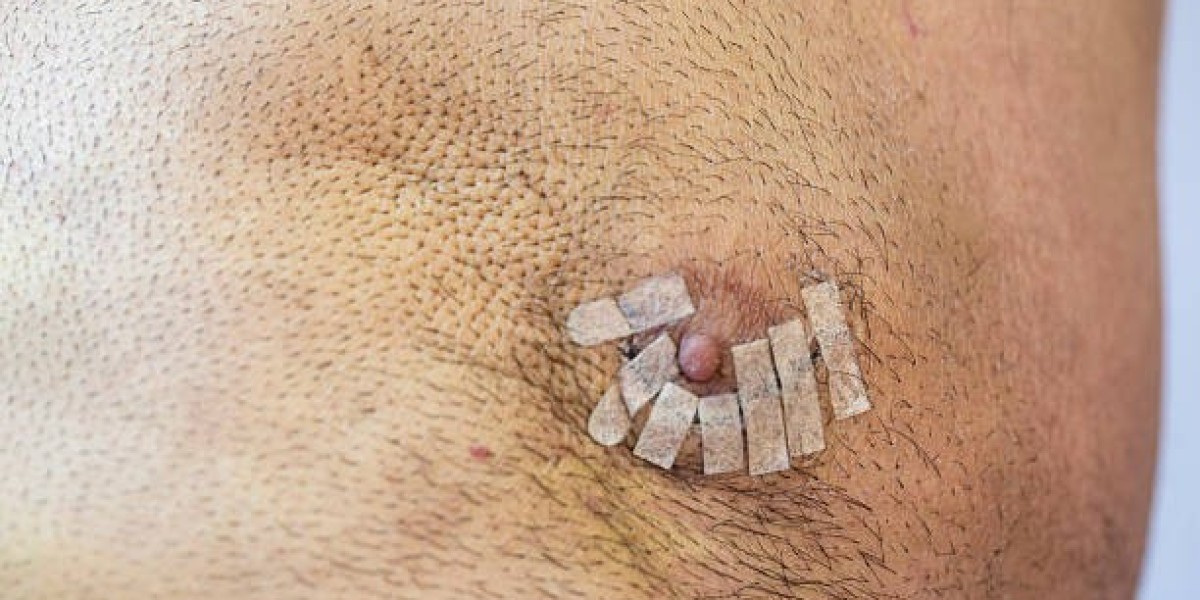

The development of male breast tissue is rarely just a localized physical issue; it is often the visible symptom of a complex internal chemical shift. For men seeking Gynaecomastia Surgery in Dubai, understanding the "why" is just as important as the "how." The condition is primarily driven by an imbalance between testosterone, which inhibits breast tissue growth, and estrogen, which promotes it. Whether triggered by natural aging, specific medications, or underlying health conditions, this hormonal "tug-of-war" can result in the growth of dense, glandular tissue that no amount of exercise can burn away. Surgical intervention provides the physical fix, but addressing the hormonal landscape ensures the results remain stable for a lifetime.
The Endocrine Drivers of Gynaecomastia Surgery in Dubai
In clinical settings, we observe that gynaecomastia is often a "secondary" condition. Identifying the source of the estrogen-testosterone imbalance is the first step in a responsible clinical journey.
What are the Common Hormonal Triggers?
Hormonal fluctuations can happen at various stages of life, and identifying your specific trigger helps in tailoring the surgical and post-operative plan.
Andropause (Male Menopause): As men age, natural testosterone levels decline, allowing existing estrogen to have a more pronounced effect on breast tissue.
Medication-Induced Shifts: Certain blood pressure medications, anti-anxiety drugs, and even some antibiotics can interfere with hormone receptors.
Lifestyle and Supplements: In clinical settings, we observe that the use of anabolic steroids or high-dose "testosterone boosters" can paradoxically lead to "aromatization," where the body converts excess testosterone into estrogen.
Underlying Health Conditions: Issues with the liver or kidneys can affect how the body metabolizes hormones, leading to an accumulation of estrogen in the bloodstream.
Can Hormonal Gynaecomastia Be Fixed Without Surgery?
In its very early stages (the "active" phase), some hormonal gynaecomastia can be treated with medication to block estrogen. However, once the tissue has been present for more than 12 to 18 months, it undergoes "fibrosis"—meaning it turns into a permanent, rubbery gland. At this stage, while hormonal balance is necessary to prevent new growth, Gynaecomastia Surgery in Dubai is the only clinical method to remove the existing, hardened tissue.
What are the Patient Sensations During the Hormonal Adjustment?
Patients dealing with hormone-driven tissue often report a specific set of sensations that differ from simple chest fat.
The "Lump" Awareness: Unlike soft fat, hormonal gynaecomastia feels like a firm, sometimes tender "button" or disk located directly behind the nipple.
Cyclical Tenderness: Some men report that their chest feels more sensitive or "sore" during times of high stress or dietary changes, mirroring hormonal spikes.
The "Puffy" Nipple Sensation: Because the gland sits directly behind the areola, it creates a constant feeling of "projection" that makes wearing thin fabrics uncomfortable.
Post-Op "Re-Balancing": After Gynaecomastia Surgery in Dubai, as the body no longer has to "support" the extra glandular tissue, many patients report a psychological feeling of "mental clarity" and improved energy as they align their lifestyle with their new physique.
How We Ensure Permanent Results Through Hormonal Clarity
The "Information Gain" for patients is understanding that surgery removes the result of the imbalance, but lifestyle protects the investment. In clinical settings, we observe that the most stable results occur when surgery is paired with "Hormonal Optimization."
Pre-Op Blood Panels: We screen for Prolactin, Estrogen, and Testosterone levels to ensure there isn't an active, untreated medical issue.
Glandular Excision (The Fix): We physically remove the hormone-responsive gland so that future minor fluctuations have no tissue to "feed" on.
Post-Op Guidance: We provide a roadmap for avoiding "endocrine disruptors" in plastics and certain processed foods that can mimic estrogen in the body.
Why Choose Tajmeels Clinic for Hormone-Aware Care?
At Tajmeels Clinic, we don't just see a chest; we see a complex biological system. Our Senior Surgeons work closely with endocrinology protocols to ensure your Gynaecomastia Surgery in Dubai is performed at the optimal time. We utilize 4K endoscopic technology to ensure every fragment of the hormone-sensitive gland is removed, which is the key to preventing recurrence. By choosing Tajmeels, you are choosing a team that addresses both the physical "fix" and the biological "cause," ensuring your new, masculine contour is built on a foundation of internal health and surgical excellence.
FAQs
If I fix my hormones, will the tissue go away?
If the tissue has been there for over a year, it has likely become fibrous. Fixing your hormones will stop it from growing, but surgery is needed to remove what is already there.
Can my "gym supplements" cause gynaecomastia?
Yes, certain supplements can trigger the body to produce more estrogen. We recommend a full "supplement audit" during your consultation.
Will the surgery fix my hormone levels?
No, the surgery removes the tissue, but it does not change your internal blood chemistry. We may recommend seeing an endocrinologist if your levels are significantly out of range.
Does high body fat increase estrogen?
Yes, fat cells contain an enzyme called "aromatase" which converts testosterone into estrogen. This is why we often combine fat removal with gland excision.
Can teenager gynaecomastia return after surgery?
If the gland is fully removed during Gynaecomastia Surgery in Dubai, it is highly unlikely to return, even with future hormonal shifts.
What is "aromatization"?
This is the process where the body converts excess male hormones into female hormones, often leading to breast tissue growth in athletes using certain performance enhancers.