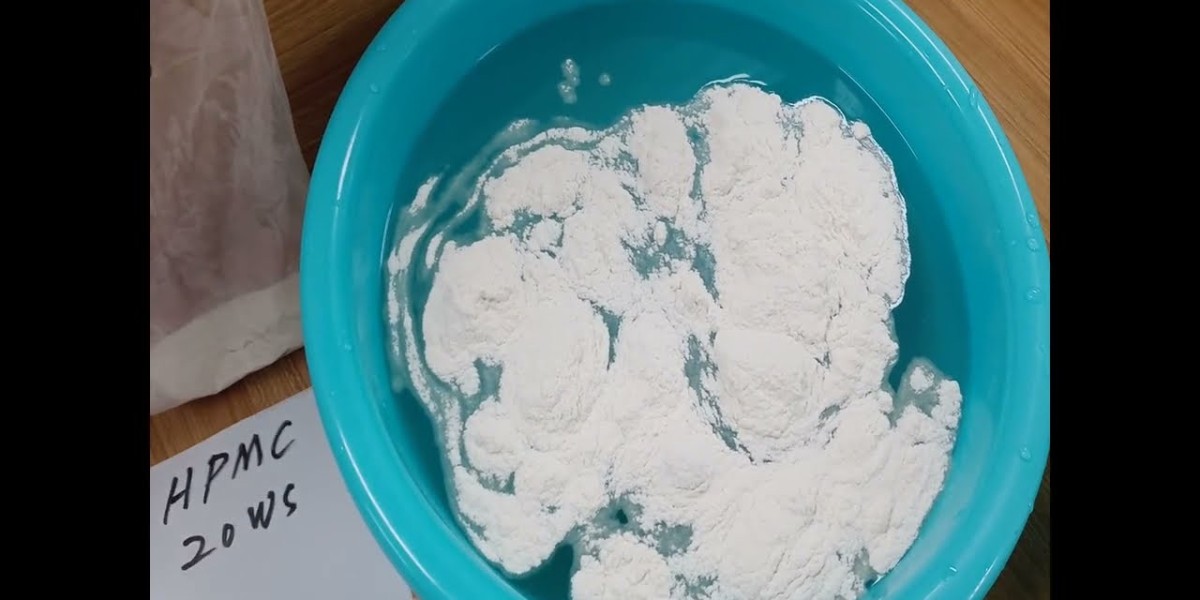

The additives industry is shaped by a wide range of functional requirements, from improving texture and stability to enhancing application performance. Within this landscape, cellulosic thickeners have secured a strong position due to their adaptability and consistent behavior across many types of formulations. Their presence in construction, food, pharmaceuticals, and personal care highlights their broad utility.
According to a recent report by Market Research Future, the Cellulosic Thickener Market shows a diverse pattern of adoption across regions and end-use sectors. Construction materials account for a significant portion of usage, driven by the need for controlled workability and reliable performance in cement-based products. At the same time, food and beverage applications represent a substantial share because of ongoing demand for texture and stability management.
Different industries value different performance attributes. In building materials, the focus is on water retention, sag resistance, and ease of application. In food processing, attention shifts to mouthfeel, consistency, and shelf stability. In personal care and pharmaceuticals, appearance, spreadability, and dosing uniformity become more important. This variety of needs supports a broad and resilient demand base.
Supplier competition in this space is influenced by factors such as product consistency, technical support, and the ability to customize grades for specific applications. Customers often work closely with suppliers to fine-tune formulations, which encourages long-term relationships and raises the importance of service quality alongside product performance.
Regional dynamics also affect how demand is distributed. Markets with strong construction activity or large food processing sectors tend to consume higher volumes, while regions focused on high-value personal care or pharmaceutical production may prioritize specialized grades. These differences shape how suppliers allocate resources and develop their product portfolios.
Tracking Cellulosic Thickener Market Share provides insight into which segments and regions are leading consumption and where competitive intensity is increasing. Market share analysis helps identify shifts in application focus, emerging opportunities, and areas where innovation or capacity expansion may be most impactful.
As formulation requirements continue to evolve, the distribution of share within the market is likely to adjust accordingly. However, the fundamental role of cellulosic thickeners across multiple industries suggests they will continue to hold a significant and stable position within the broader additives landscape.