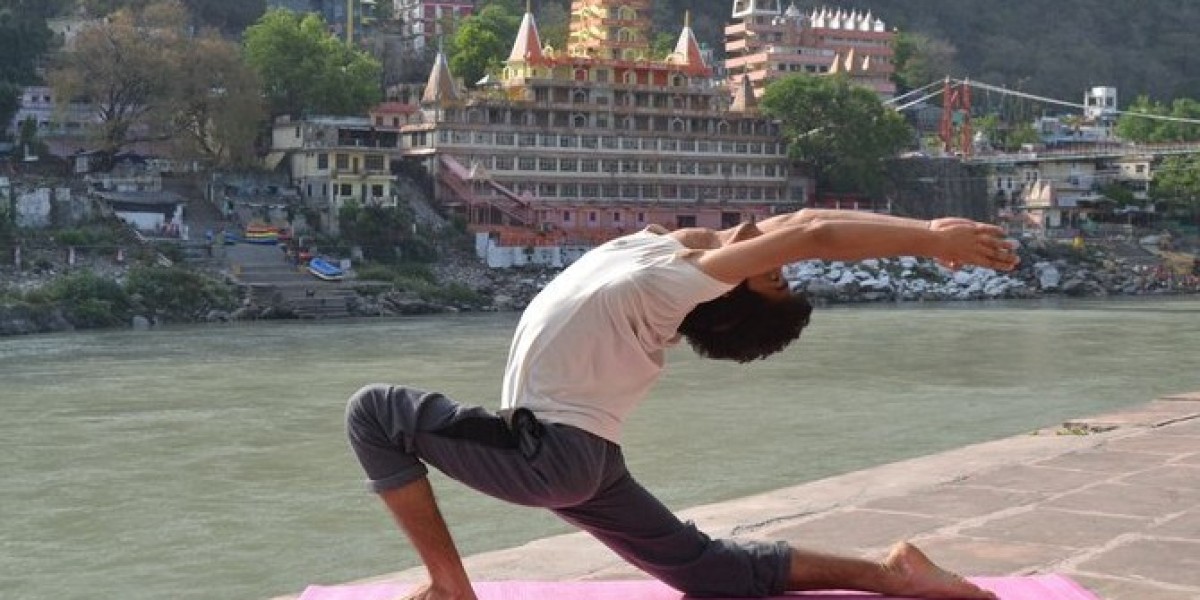

Yoga is far more than a physical exercise; it is a profound science of self-realization that has been practiced in India for thousands of years. For those who wish to move beyond surface-level understanding and dive into the true essence of this ancient discipline, enrolling in a yoga teacher training program can be a transformative decision. Among all destinations worldwide, Rishikesh stands out as a sacred hub for spiritual seekers. Known as the “Yoga Capital of the World,” this serene town offers an ideal environment for deep study, reflection, and personal growth.
If you are seeking authentic yogic wisdom rooted in tradition yet relevant to modern life, Yoga Teacher Training Rishikesh can become your pathway to lasting transformation.
Why Rishikesh Is the Heart of Yoga
Nestled in the foothills of the Himalayas and blessed by the sacred waters of the Ganges River, Rishikesh radiates a unique spiritual energy. For centuries, sages and saints have meditated here, preserving and transmitting the teachings of yoga in their purest form. Unlike commercialized yoga destinations, Rishikesh maintains a strong connection to traditional practices, scriptures, and disciplined living.
Ashrams, temples, and yoga schools line the banks of the river, creating a community atmosphere dedicated to inner exploration. The peaceful surroundings naturally support meditation, pranayama, and self-inquiry. When you study yoga in Rishikesh, you are not just learning techniques—you are immersing yourself in a living spiritual culture.
Understanding Yoga Teacher Training
Yoga Teacher Training (YTT) programs are designed to deepen your understanding of yoga while equipping you with the skills to guide others. Whether you intend to teach professionally or simply wish to expand your personal practice, these programs provide structured and comprehensive learning.
Most courses follow internationally recognized standards, particularly those set by Yoga Alliance. Common certifications include 200-hour, 300-hour, and 500-hour training programs. Each level builds upon the previous one, covering essential components such as:
Asana (Postures): Alignment, adjustments, benefits, and contraindications
Pranayama (Breathing Techniques): Controlling life force energy
Meditation Practices: Cultivating awareness and concentration
Yoga Philosophy: Study of classical texts and ethical principles
Anatomy and Physiology: Understanding the body’s mechanics
Teaching Methodology: Class sequencing, cueing, and communication skills
In Rishikesh, these subjects are often taught with a traditional approach, integrating ancient scriptures and experiential learning.
A Typical Day During Training
Life during a Yoga Teacher Training course in Rishikesh is structured yet fulfilling. Most programs follow a disciplined daily routine that encourages balance and mindfulness.
A typical day may begin before sunrise with meditation and pranayama. Early morning practice aligns your energy with the peaceful atmosphere of the Himalayas. After a short break, students attend asana classes focused on proper alignment and technique.
Afternoons are usually dedicated to theory subjects such as philosophy and anatomy. Evenings often conclude with restorative practices, mantra chanting, or self-study sessions. This consistent rhythm fosters discipline while allowing space for reflection.
The immersive nature of training creates a supportive community where students from around the world share experiences and insights. The bonds formed during this journey often last a lifetime.
Exploring the Philosophy of Yoga
One of the most enriching aspects of Yoga Teacher Training Rishikesh is the in-depth study of yogic philosophy. Texts such as the Yoga Sutras of Patanjali provide guidance on living a meaningful and balanced life. These teachings explore concepts like the eight limbs of yoga, ethical principles (Yamas and Niyamas), and the path toward self-realization.
Students also learn about the Bhagavad Gita, a timeless dialogue on duty, devotion, and spiritual wisdom. Understanding these scriptures allows practitioners to move beyond physical postures and embody yoga as a holistic lifestyle.
In Rishikesh, philosophy is not treated as abstract theory. Teachers often relate ancient teachings to modern challenges, making the wisdom practical and accessible.
The Role of Discipline and Simplicity
Yoga Teacher Training Rishikesh emphasizes simplicity and mindful living. Many schools provide sattvic (pure and vegetarian) meals that nourish both body and mind. Digital distractions are minimized, encouraging participants to focus on self-awareness.
Living in an ashram-like environment teaches humility and gratitude. By stepping away from daily routines and responsibilities, students gain clarity about their personal goals and intentions.
This disciplined lifestyle may initially feel demanding, but it gradually cultivates inner strength and resilience. Over time, students notice improvements in concentration, emotional balance, and physical vitality.
Personal Transformation Through Practice
While certification is a tangible outcome, the deeper reward of Yoga Teacher Training is personal transformation. Immersive practice helps you confront mental patterns and emotional blocks. Through meditation and self-reflection, you gain insight into your true nature.
Many participants describe their experience in Rishikesh as life-changing. They develop greater self-confidence, compassion, and purpose. By learning to guide others safely and effectively, they also strengthen their communication and leadership skills.
The training process encourages authenticity. Rather than imitating others, you learn to teach from your own experience and understanding. This authenticity becomes the foundation of your teaching journey.
Cultural and Spiritual Experiences
Beyond the classroom, Rishikesh offers enriching cultural experiences. Attending evening prayer ceremonies along the Ganges, visiting ancient temples, and exploring nearby Himalayan trails deepen your spiritual connection.
The sense of community extends beyond the yoga school. Locals and fellow seekers create a welcoming atmosphere that inspires openness and exchange. The town’s sacred energy reinforces the lessons learned during training.
Preparing for Your Journey
Before enrolling in a Yoga Teacher Training course, it is important to choose a reputable school that aligns with your goals. Consider factors such as curriculum structure, teacher experience, class size, and accommodation standards.
You do not need to be an advanced practitioner to join a 200-hour program. What matters most is dedication, openness, and willingness to learn. Arriving with a clear intention can greatly enhance your experience.
Physically preparing through consistent practice and mentally preparing by cultivating patience and curiosity will help you adapt to the structured schedule.