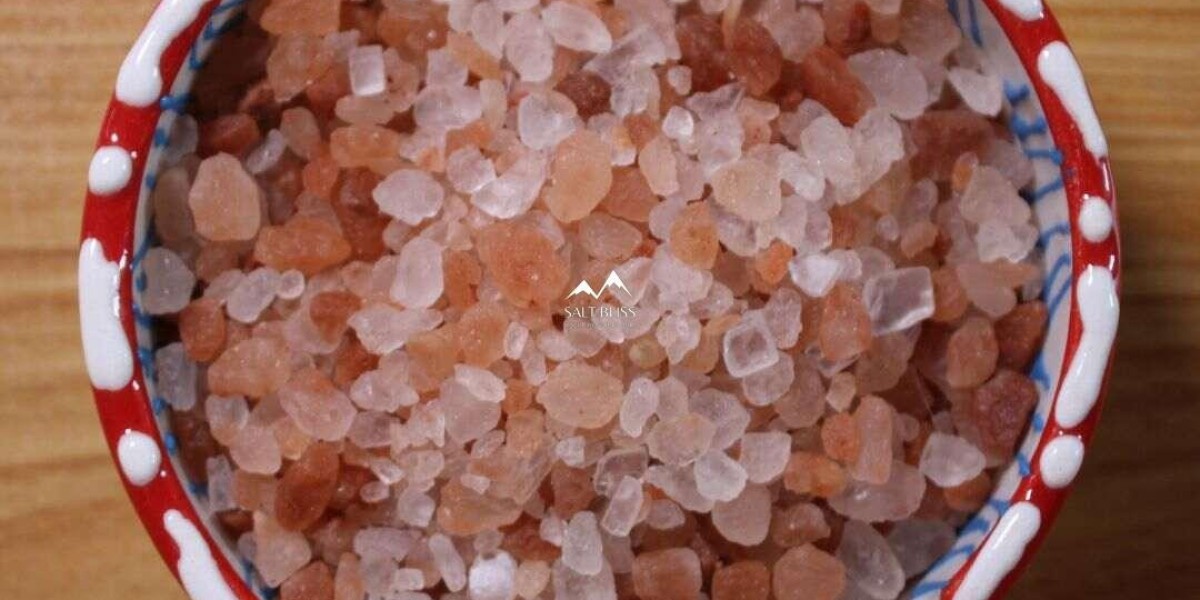

Natural salts have become an essential part of clean eating and holistic living, and among them, dark Himalayan salt has gained special recognition. Known for its deep color, mineral-rich composition, and distinctive flavor, this salt is valued not only for cooking but also for its role in traditional wellness practices.
Unlike refined salt, which undergoes heavy processing, dark Himalayan salt is naturally harvested and minimally treated, allowing it to retain its original minerals and characteristics. This article explores the nutrition profile, taste, and diverse uses of dark Himalayan salt, helping you understand why it is becoming a preferred choice in kitchens and wellness routines worldwide.
What Makes Dark Himalayan Salt Unique?
Dark Himalayan salt is mined from ancient salt deposits formed millions of years ago. Its darker shade—often ranging from deep pink to purplish-brown—comes from a higher concentration of trace minerals, especially iron.
This salt differs from lighter pink varieties due to its stronger mineral presence and more pronounced flavor. Because it is unrefined, it remains free from artificial additives and bleaching agents commonly found in commercial table salt.
Nutritional Profile of Dark Himalayan Salt
Although salt is primarily sodium chloride, dark Himalayan salt contains trace minerals that contribute to its nutritional appeal when used in moderation.
Key Minerals Found Naturally
Iron – Gives the salt its darker hue and contributes to overall mineral diversity
Magnesium – Supports muscle and nerve function
Potassium – Helps maintain fluid balance
Calcium – Important for bone and muscle health
These minerals occur naturally in small quantities, enhancing the salt’s overall composition compared to refined salt.
Sodium Content and Moderation
Like all salts, dark Himalayan salt contains sodium, which is essential for bodily functions such as nerve signaling and muscle contraction. However, excessive sodium intake can be harmful.
Using dark Himalayan salt responsibly—rather than excessively—allows individuals to enjoy its flavor and mineral content while maintaining balanced sodium consumption.
Taste Profile of Dark Himalayan Salt
One of the most appealing aspects of dark Himalayan salt is its taste.
Flavor Characteristics
Earthy and robust
Slightly less sharp than refined salt
Rich mineral undertones
Enhances natural flavors rather than overpowering them
Because of its depth of flavor, many cooks find they can use slightly less salt while achieving better taste.
Culinary Uses of Dark Himalayan Salt
Everyday Cooking
Dark Himalayan salt can replace refined salt in almost any recipe, including:
Vegetable dishes
Soups and broths
Rice and grain preparations
Lentils and beans
Sauces and marinades
Its mineral flavor adds richness to simple meals.
Finishing Salt
Due to its color and texture, it works beautifully as a finishing salt:
Sprinkled over salads
Used on roasted vegetables
Added to grilled meats or plant-based dishes
Garnished on eggs or avocado dishes
The visual contrast and taste elevate presentation and flavor.
Baking and Fermentation
While baking typically requires precise salt measurements, dark Himalayan salt can be used in:
Bread dough
Savory pastries
Fermented foods like pickles or kimchi
Its mineral content may subtly influence fermentation processes.
Dark Himalayan Salt in Traditional and Wellness Practices
Digestive Support
In traditional practices, mineral-rich salts are believed to stimulate digestive juices and support metabolism when consumed in small amounts.
Mineral Bath Soaks
Dark Himalayan salt is commonly used in bath soaks to:
Promote relaxation
Ease muscle tension
Support skin cleansing
Warm salt baths are often associated with stress relief and overall comfort.
Skin Care Applications
When combined with natural oils, dark Himalayan salt can be used as:
Exfoliating body scrubs
Foot soaks
Hand scrubs
Its coarse texture helps remove dead skin cells and improve circulation.
Dark Himalayan Salt vs Other Salt Types
Compared to Table Salt
Table salt is highly refined; dark Himalayan salt is natural
Table salt often contains additives; dark Himalayan salt does not
Flavor of dark Himalayan salt is richer and more complex
Compared to Sea Salt
Sea salt composition varies depending on water source
Dark Himalayan salt comes from ancient mineral deposits
Dark Himalayan salt has a more stable mineral profile
Storage and Shelf Life
Proper storage ensures long-lasting quality:
Store in airtight containers
Keep away from moisture
Avoid direct sunlight
Use dry spoons when handling
When stored correctly, dark Himalayan salt has an extremely long shelf life.
Sustainability and Ethical Mining
Dark Himalayan salt is typically extracted using traditional mining methods that minimize environmental disruption. Ethical sourcing supports local communities and preserves centuries-old practices.
Consumers who value sustainability often prefer natural salts due to their minimal processing and lower environmental impact.
Who Can Benefit from Dark Himalayan Salt?
Dark Himalayan salt is ideal for:
Home cooks seeking natural ingredients
Health-conscious individuals
Gourmet chefs
Wellness-focused households
People reducing processed food intake
As always, individuals with specific health conditions should consult professionals regarding sodium consumption.
Popularity in Modern Lifestyles
The rise of clean eating, organic foods, and holistic wellness has increased interest in mineral-rich salts. Dark Himalayan salt aligns with these trends by offering:
Natural origin
Minimal processing
Culinary versatility
Wellness applications
Its growing popularity reflects a shift toward mindful consumption.
Simple Ways to Use Dark Himalayan Salt Daily
Replace refined salt in cooking
Sprinkle lightly over meals as finishing salt
Use in homemade spice blends
Add to bath water for relaxation
Mix with oils for skincare routines
Small changes can significantly improve both flavor and lifestyle quality.
Final Thoughts
Dark Himalayan salt is more than just a seasoning—it is a natural ingredient rooted in tradition, nutrition, and holistic living. With its rich mineral profile, distinctive taste, and wide range of uses, dark Himalayan salt offers a meaningful alternative to highly processed salts. When used mindfully, it enhances cooking, supports wellness routines, and aligns perfectly with modern natural lifestyles.