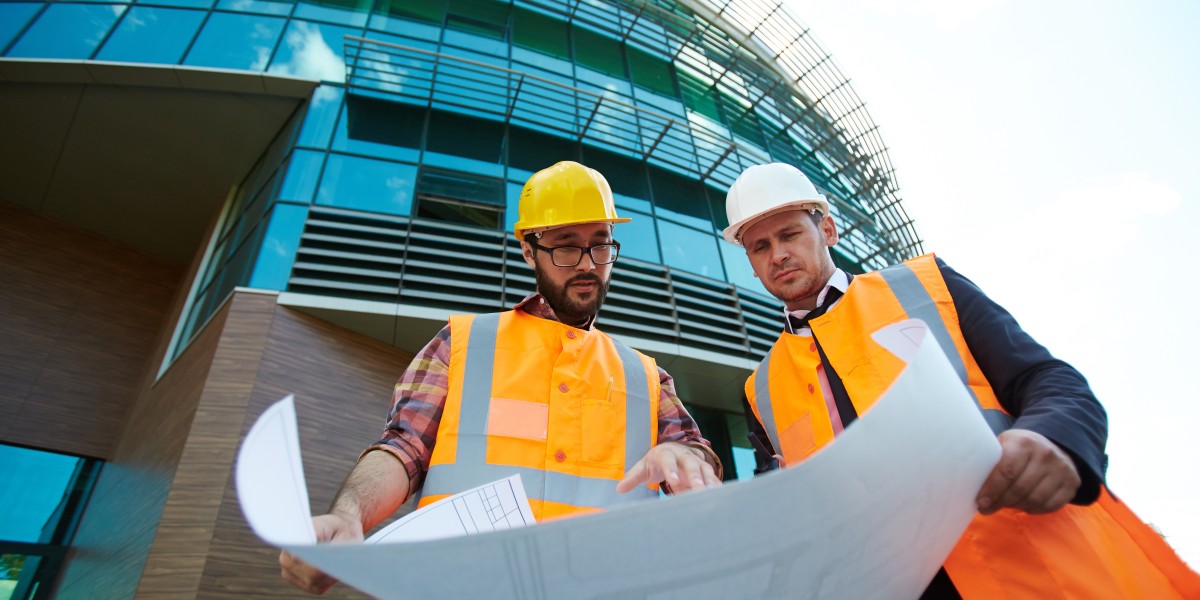

Saudi Arabia’s construction sector is entering a defining phase between 2026 and 2030. Backed by Vision 2030, strong government spending, and rising private investment, the market is moving beyond rapid expansion into a more mature, technology-driven era. For every construction company Saudi Arabia operating in the Kingdom, the coming years will demand smarter planning, higher efficiency, and long-term strategic thinking. Below are the most important forecasts that will shape how the industry evolves during this period.
1. Vision 2030 Will Continue to Drive Large-Scale Growth
Vision 2030 will remain the strongest force behind construction activity through 2030. Mega projects such as NEOM, the Red Sea developments, and Qiddiya will move from early phases into advanced construction and operational stages. This shift means a construction company in Saudi Arabia will increasingly work on complex, multi-year projects rather than short-term builds.
Government-led infrastructure development Saudi Arabia initiatives will focus on transportation networks, smart cities, logistics hubs, and utilities. These projects are designed not only to boost economic diversification but also to improve quality of life and global competitiveness.
2. Infrastructure Projects Will Prioritize Integration and Efficiency
From 2026 onward, infrastructure spending will emphasize integration between transport, energy, and digital systems. Roads, rail, ports, and airports will be designed as interconnected ecosystems rather than standalone assets. This approach to infrastructure development in Saudi Arabia requires advanced planning, BIM coordination, and lifecycle cost analysis.
A modern construction company Saudi Arabia will need in-house technical expertise or strong partnerships to deliver these integrated projects efficiently. Contractors that rely on outdated methods may struggle to meet performance and sustainability benchmarks.
3. Real Estate Demand Will Shift Toward Mixed-Use and Affordable Housing
While luxury developments will continue, market demand is gradually shifting toward mixed-use communities and affordable housing. Population growth, urbanization, and lifestyle changes are reshaping real estate construction in Saudi Arabia, especially in major cities like Riyadh, Jeddah, and Dammam.
For a construction company Saudi Arabia, this means balancing cost efficiency with quality. Developers are seeking faster delivery, modular construction, and standardized designs to meet housing demand without compromising safety or aesthetics. The residential segment of real estate construction Saudi Arabia will remain one of the most stable sources of work during economic cycles.
4. Technology Adoption Will Separate Leaders from Followers
Digital transformation will no longer be optional by 2030. Technologies such as BIM, digital twins, AI-based project scheduling, and drone-based site monitoring will become standard. A forward-looking construction company Saudi Arabia will invest heavily in digital tools to improve accuracy, reduce waste, and enhance collaboration.
General contractors will also rely more on data-driven decision-making. Among general contractors in Saudi Arabia, those that embrace automation and predictive analytics will gain a competitive edge in bidding, execution, and risk management.
5. Sustainability Will Become a Core Requirement
Sustainability targets are becoming stricter across the Kingdom. Green building standards, energy-efficient materials, and low-carbon construction methods will be required in both public and private projects. This trend affects infrastructure development in Saudi Arabia as well as commercial and residential builds.
A responsible construction company Saudi Arabia must integrate sustainability from the design stage, not treat it as an add-on. From recycled materials to smart energy systems, sustainable practices will directly impact project approvals and long-term asset value.
6. Workforce Localization and Skill Development Will Accelerate
Between 2026 and 2030, workforce policies will emphasize local talent development. Training programs, technical certifications, and leadership development will be critical for industry stability. A successful construction company Saudi Arabia will invest in upskilling Saudi professionals while maintaining access to specialized international expertise.
Among general contractors in Saudi Arabia, those with strong HR strategies and compliance frameworks will be better positioned to handle complex, labor-intensive projects without delays.
7. Contracting Models Will Become More Collaborative
Traditional contracting models are gradually giving way to collaborative approaches such as design-build and public-private partnerships. These models encourage early contractor involvement, cost transparency, and shared risk. This evolution directly impacts how general contractors Saudi Arabia operate and compete.
For a construction company in Saudi Arabia, success will depend on strong coordination skills, financial discipline, and the ability to work closely with consultants, developers, and government entities throughout the project lifecycle.
8. Investment Confidence Will Remain Strong
Saudi Arabia continues to attract regional and global investors due to regulatory reforms and economic stability. This confidence supports long-term funding for real estate construction in Saudi Arabia, industrial zones, and tourism developments. Stable investment flows reduce market volatility and create predictable pipelines for contractors.
A well-positioned construction company Saudi Arabia can leverage this environment by building long-term client relationships and diversifying its project portfolio across sectors.
Conclusion: Preparing for a Smarter Construction Era
The 2026–2030 period will mark a transition from rapid expansion to strategic optimization in Saudi Arabia’s construction market. Growth will remain strong, but success will depend on efficiency, technology, sustainability, and collaboration. From infrastructure development Saudi Arabia to evolving real estate construction Saudi Arabia demands, the market will reward adaptability and long-term vision.
For general contractors Saudi Arabia and developers alike, the future belongs to those who plan ahead, invest wisely, and align with national goals. By embracing innovation and responsible growth, the construction sector will continue to play a central role in shaping the Kingdom’s economic future.