
Introduction
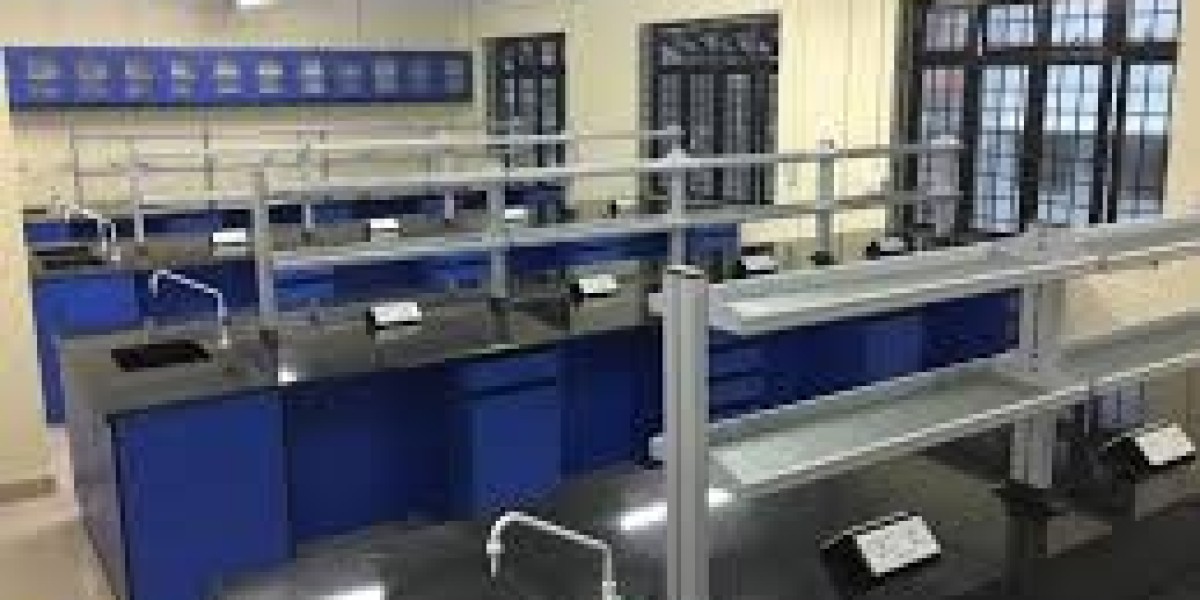
Safety and compliance are fundamental in any laboratory environment. Laboratory Furniture Whether operating in research, healthcare, pharmaceuticals, or industrial testing, laboratories must adhere to strict regulations. Poor design can lead to accidents, failed audits, and operational disruptions.
A well-planned laboratory integrates safety features directly into its layout, materials, and infrastructure — reducing hazards while supporting regulatory alignment.
1. Built-In Safety Infrastructure
Safety should be part of the design from the beginning.
Essential Features:
Clearly marked emergency exits
Accessible eyewash and safety showers
Fire-resistant storage cabinets
Properly positioned fire extinguishers
Integrated safety systems minimize response time during emergencies.
2. Effective Zoning and Workflow Planning
Organized layouts reduce risk.
Zoning Benefits:
Separation of hazardous and clean areas
Dedicated chemical handling zones
Clear waste disposal sections
Controlled access to restricted areas
Structured zoning prevents cross-contamination and accidents.
3. Proper Ventilation and Airflow Control
Air quality directly impacts safety.
Ventilation Advantages:
Removal of toxic fumes
Controlled pressure differentials
Reduced airborne contamination
Compliance with air safety standards
Effective airflow systems support both worker health and regulatory compliance.
4. Chemical-Resistant Materials
Material selection affects durability and safety.
Smart Material Choices:
Non-porous countertops
Corrosion-resistant cabinets
Heat-resistant surfaces
Easy-to-clean finishes
Durable materials reduce maintenance risks and improve hygiene.
5. Adequate Lighting and Visibility
Poor visibility can cause errors and injuries.
Lighting Considerations:
Proper task lighting
Reduced glare
Well-lit signage and labels
Emergency lighting systems
Clear visibility enhances both safety and inspection readiness.
6. Storage Compliance
Improper storage is a common audit failure.
Compliance Measures:
Segregated chemical cabinets
Clear labeling systems
Documented inventory management
Secure storage for hazardous materials
Organized storage simplifies regulatory checks.
7. Accessibility and Ergonomics
Design should reduce strain and accidents.
Ergonomic Improvements:
Adjustable workstations
Anti-slip flooring
Clear walkways
Accessible storage heights
Comfortable layouts lower injury rates.
8. Utility and Infrastructure Planning
Utilities must support safe operations.
Infrastructure Essentials:
Proper gas line installation
Secure electrical wiring
Emergency shut-off systems
Adequate drainage systems
Reliable infrastructure prevents operational hazards.
9. Documentation and Inspection Readiness
Design influences audit efficiency.
Preparation Strategies:
Clearly marked hazard zones
Accessible safety data sheets
Organized equipment layout
Regular maintenance documentation
A structured lab simplifies inspection processes.
10. Long-Term Risk Reduction
Investing in proper design prevents costly issues.
Long-Term Benefits:
Fewer workplace incidents
Reduced downtime
Stronger compliance record
Improved organizational reputation
Safe design supports sustainable operations.
Conclusion
Proper laboratory design is a powerful tool for improving safety and ensuring regulatory compliance. By integrating smart zoning, durable materials, ventilation systems, and built-in safety infrastructure, laboratories can minimize risks while meeting industry standards. A thoughtfully designed lab not only protects personnel but also strengthens operational reliability and long-term success.