
Introduction
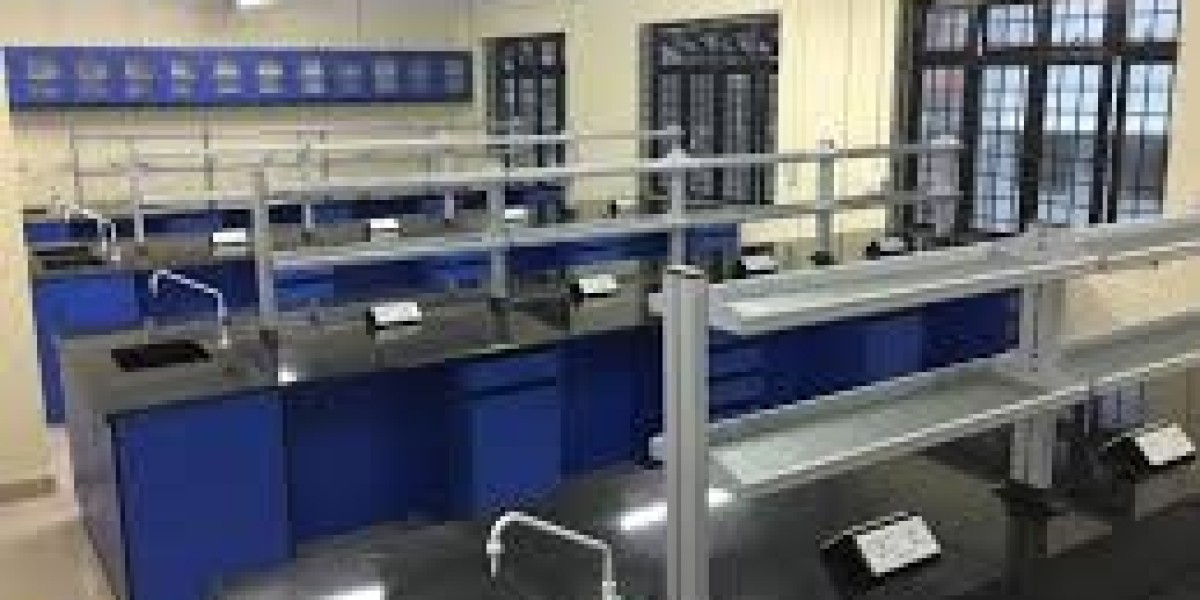
Laboratory furniture must withstand harsh chemicals, heat, moisture, and constant use. Lab Furniture Manufacture in india Choosing the wrong materials can lead to corrosion, safety hazards, and costly replacements. The right material selection ensures longevity, compliance, and reliable performance.
Understanding the strengths and limitations of different materials helps laboratories make informed investment decisions.
1. Epoxy Resin Surfaces
Epoxy resin is widely used for lab countertops.
Advantages:
Excellent chemical resistance
High heat tolerance
Non-porous surface
Easy to clean and maintain
It is ideal for chemical and research laboratories.
2. Phenolic Resin
Phenolic resin is known for durability and moisture resistance.
Benefits:
Lightweight yet strong
High impact resistance
Good chemical protection
Suitable for humid environments
It works well in educational and general labs.
3. Stainless Steel
Stainless steel is commonly used in cleanrooms and medical labs.
Key Features:
Corrosion resistance
Easy sanitization
High strength
Long lifespan
It is perfect for sterile and high-hygiene environments.
4. High-Pressure Laminate (HPL)
HPL is a cost-effective solution for certain lab settings.
Advantages:
Affordable
Available in various finishes
Easy maintenance
Suitable for light-duty applications
Best used in low-chemical exposure areas.
5. Powder-Coated Steel Frames
Structural strength is essential for lab furniture.
Benefits:
Strong load-bearing capacity
Corrosion resistance
Durable finish
Long-term structural integrity
Ideal for heavy equipment support.
6. Chemical-Resistant Coatings
Protective coatings enhance durability.
Applications:
Cabinet interiors
Storage units
Workbench frames
Utility stations
Coatings extend furniture lifespan in harsh environments.
7. Impact and Heat Resistance
Material choice must consider daily operational stress.
Important Considerations:
Resistance to thermal shock
Protection against spills
Scratch resistance
Surface integrity under heavy loads
Durable materials reduce long-term maintenance costs.
8. Cleanability and Hygiene
Smooth, non-porous surfaces support sanitation.
Hygiene Benefits:
Easy disinfecting
Reduced contamination risk
Seamless joints
Minimal dirt accumulation
Essential for healthcare and pharmaceutical labs.
9. Environmental and Sustainability Factors
Modern labs prioritize eco-friendly materials.
Sustainable Options:
Low-VOC coatings
Recyclable materials
Energy-efficient manufacturing
Long-life components
Sustainable materials reduce environmental impact.
10. Long-Term Cost Efficiency
Quality materials reduce replacement frequency.
Financial Benefits:
Lower repair costs
Extended furniture life
Reduced downtime
Better return on investment
Investing wisely saves money over time.
Conclusion
Choosing the right materials for laboratory furniture directly impacts safety, durability, and operational efficiency. From epoxy resin countertops to stainless steel frames and chemical-resistant coatings, each material serves a specific purpose. Careful selection ensures compliance, longevity, and long-term cost savings, making it a critical decision in laboratory design planning.