
Introduction
Laboratory furniture is more than just benches and cabinets — it forms the backbone of safe and efficient operations. Lab Furniture Manufacture The right furniture enhances workflow, ensures compliance, protects equipment, and supports staff productivity. Choosing high-quality, purpose-built furniture is a critical investment for any modern laboratory.
Here are the seven essential pieces every laboratory should consider.
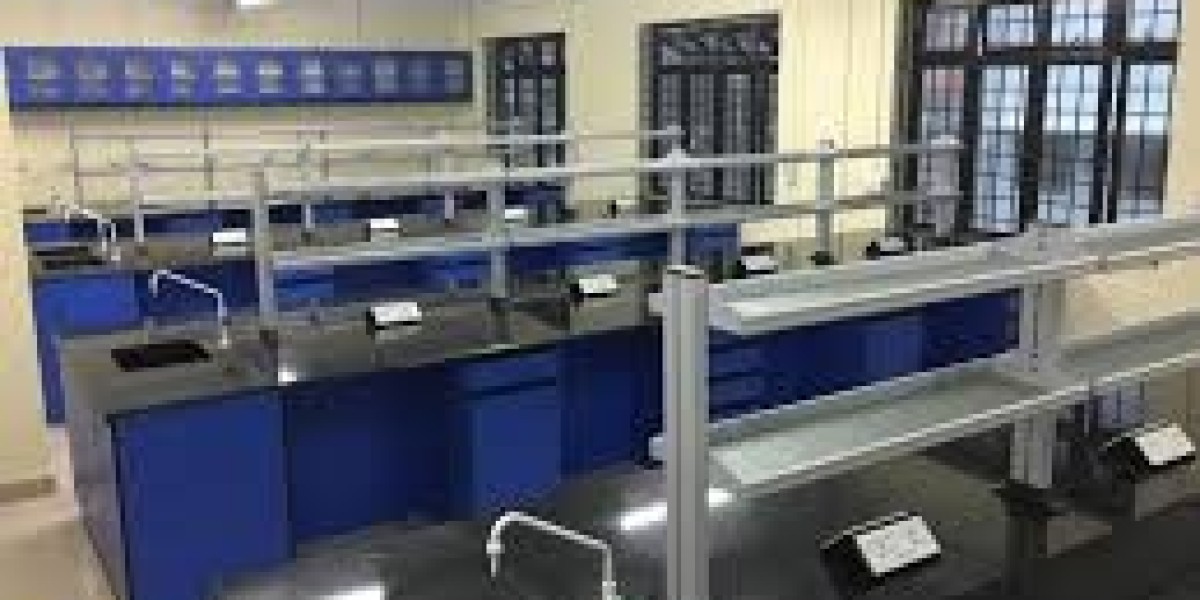
1. Laboratory Workbenches
Workbenches are the primary operational surface in any lab.
Key Features:
Chemical-resistant surfaces
Height-adjustable options
Durable frame construction
Integrated utility access
A strong and adaptable workbench ensures safe and comfortable operations.
2. Chemical Storage Cabinets
Safe storage is crucial for hazardous materials.
Essential Characteristics:
Fire-resistant construction
Ventilated designs
Corrosion-resistant materials
Clear hazard labeling compatibility
Proper storage prevents chemical accidents and ensures compliance.
3. Fume Hoods
Fume hoods are vital for handling volatile substances.
Important Elements:
Efficient airflow systems
Sash controls for safety
Chemical-resistant interior lining
Proper exhaust connections
They protect laboratory personnel from harmful fumes.
4. Laboratory Seating
Comfortable seating improves productivity.
Must-Have Features:
Adjustable height
Lumbar support
Chemical-resistant upholstery
Stable base with smooth mobility
Ergonomic seating reduces fatigue during long tasks.
5. Modular Storage Units
Organization supports efficiency.
Storage Benefits:
Adjustable shelving
Lockable compartments
Vertical space optimization
Easy labeling systems
Modular units allow flexibility as lab needs evolve.
6. Sink Units and Utility Stations
Proper plumbing integration is essential.
Design Considerations:
Chemical-resistant sinks
Eye-wash compatibility
Durable fixtures
Adequate drainage systems
Utility stations ensure safe handling and cleanup.
7. Mobile Laboratory Furniture
Mobility enhances adaptability.
Advantages:
Lockable caster wheels
Flexible reconfiguration
Space optimization
Support for changing workflows
Mobile furniture supports dynamic laboratory environments.
Conclusion
Modern laboratories depend on high-quality, purpose-built furniture to ensure safety, compliance, and operational efficiency. From durable workbenches and chemical cabinets to ergonomic seating and modular storage, each furniture piece plays a critical role in supporting productivity and protecting staff. Investing in the right laboratory furniture creates a foundation for long-term success.