
Introduction
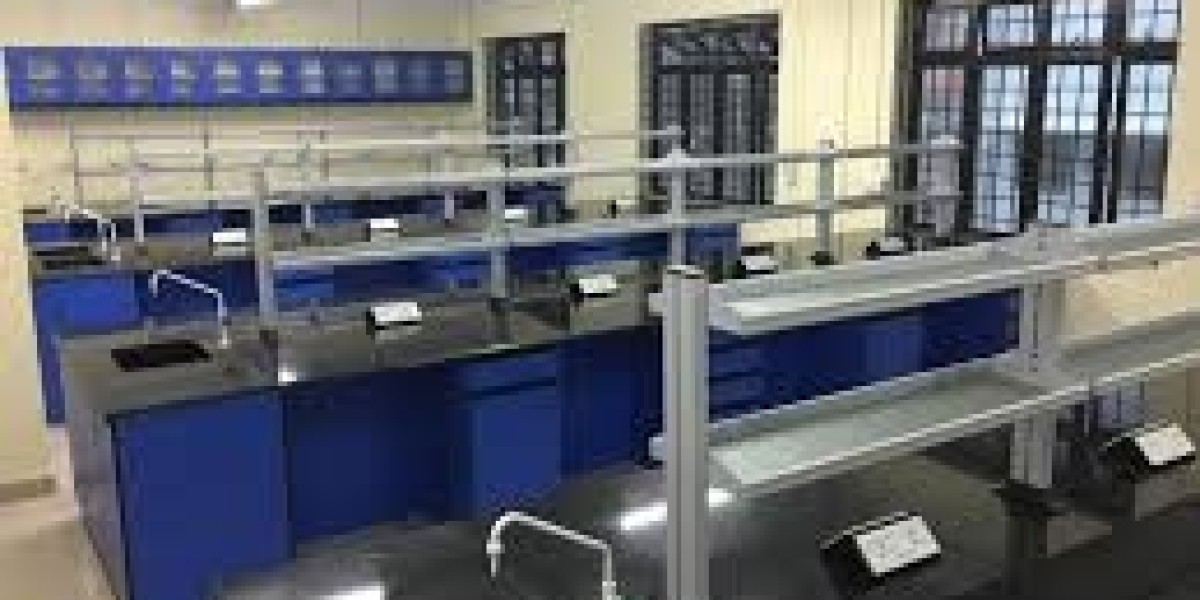
Laboratory environments are no longer rigid, static spaces. Chemical Lab Furniture in india Today’s scientific facilities demand adaptability, sustainability, digital integration, and enhanced safety. As research methods advance and compliance standards evolve, laboratory design must keep pace.
Forward-thinking laboratories are embracing innovative furniture systems, smart technologies, and modular layouts to create future-ready workspaces.
1. Modular and Flexible Layouts
Flexibility is now a priority.
Key Features:
Reconfigurable bench systems
Movable partitions
Mobile storage units
Expandable service panels
Modular design allows labs to adapt quickly to new projects or equipment.
2. Smart Laboratory Integration
Technology is transforming laboratory operations.
Smart Features Include:
IoT-enabled equipment monitoring
Digital workflow tracking
Automated environmental controls
Smart energy management systems
Connected systems improve efficiency and data accuracy.
3. Sustainability and Green Design
Environmental responsibility is shaping modern labs.
Sustainable Practices:
Energy-efficient lighting
Low-emission materials
Water-saving fixtures
Recyclable and durable furniture materials
Green laboratories reduce operational costs and environmental impact.
4. Enhanced Ergonomics
Employee well-being is gaining attention.
Ergonomic Innovations:
Height-adjustable workstations
Anti-fatigue flooring
Ergonomic seating
Optimized reach zones
Comfort-driven design improves productivity and reduces injuries.
5. Open Collaboration Spaces
Team-based research requires better interaction.
Collaborative Design Elements:
Shared workstations
Central discussion areas
Transparent partitions
Flexible meeting pods
Open layouts promote communication while maintaining safety standards.
6. Improved Ventilation and Safety Systems
Air quality and hazard control remain top priorities.
Advanced Safety Features:
High-efficiency fume hoods
Automated airflow control
Real-time air quality monitoring
Integrated emergency systems
Enhanced safety design protects both staff and research integrity.
7. Space Optimization
Urban laboratories often operate within limited footprints.
Smart Space Solutions:
Vertical storage systems
Compact multi-functional furniture
Ceiling-mounted service carriers
Wall-mounted utilities
Efficient space usage maximizes productivity without expansion.
8. Digital Documentation Integration
Paper-based systems are being replaced.
Digital Advancements:
Electronic lab notebooks
Cloud-based data storage
Barcode tracking systems
Digital inventory management
Technology reduces errors and streamlines compliance processes.
9. Cleanroom and Controlled Environment Expansion
Industries like pharmaceuticals and biotechnology demand stricter environmental control.
Cleanroom Trends:
Seamless, non-porous surfaces
Controlled airflow zoning
Antimicrobial materials
Modular cleanroom panels
Precision environments ensure contamination control.
10. Future-Proof Infrastructure
Modern labs are designed for scalability.
Forward-Thinking Planning:
Upgrade-ready utility systems
Flexible electrical layouts
Expandable bench systems
Infrastructure for automation
Planning for growth prevents costly redesigns later.
Conclusion
Laboratory design trends are shifting toward flexibility, sustainability, digital integration, and enhanced safety. By embracing modular layouts, smart technologies, ergonomic improvements, and green practices, modern laboratories can stay competitive and compliant. Investing in future-ready infrastructure ensures long-term performance and adaptability in an ever-evolving scientific landscape.