
Introduction
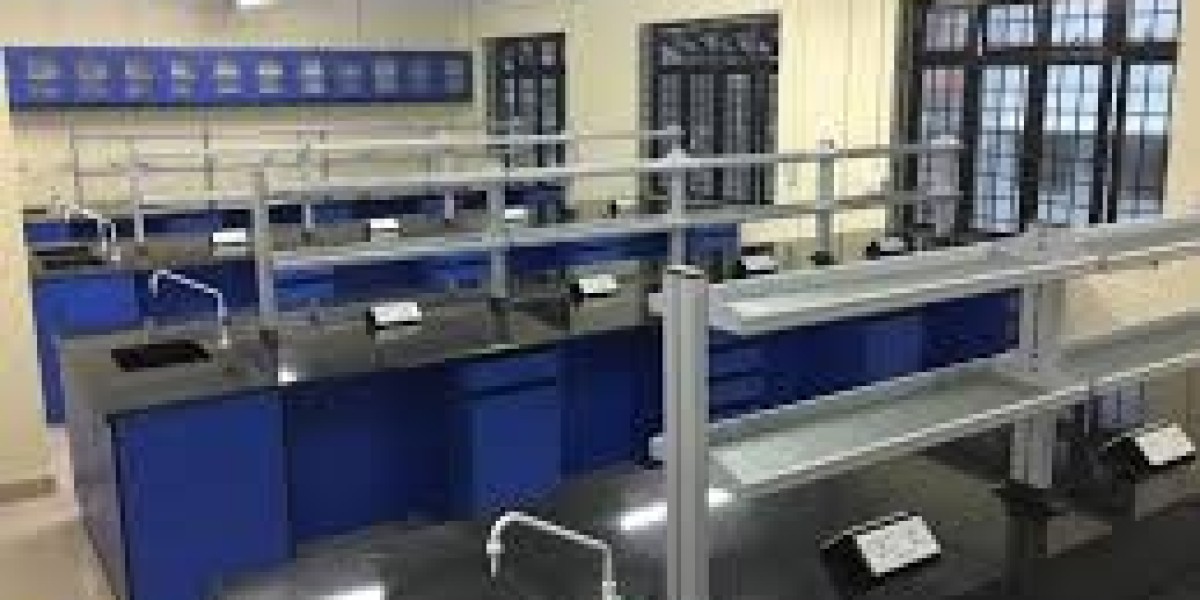
Laboratory professionals often spend long hours standing, analyzing samples, operating instruments, and performing repetitive tasks. Modular Laboratory Furniture Poor ergonomic design can lead to fatigue, musculoskeletal disorders, and decreased productivity. A well-designed laboratory prioritizes comfort without compromising safety or compliance.
Ergonomics is not a luxury — it is a strategic investment in performance and employee well-being.
1. Adjustable Workbenches
Fixed-height benches do not suit every task.
Ergonomic Benefits:
Height-adjustable surfaces
Sit-stand flexibility
Reduced back and shoulder strain
Better posture support
Adjustable benches allow users to customize their workspace based on the task.
2. Ergonomic Laboratory Seating
Proper seating supports long working hours.
Key Features:
Lumbar support
Adjustable height
Footrests
Chemical-resistant materials
Quality seating minimizes fatigue and improves concentration.
3. Optimized Work Zones
Frequently used items should be within easy reach.
Smart Layout Planning:
Keep tools within arm’s reach
Avoid excessive bending or stretching
Organize materials by frequency of use
Maintain clear workspace surfaces
Efficient positioning reduces repetitive strain injuries.
4. Anti-Fatigue Flooring
Standing for extended periods can cause discomfort.
Flooring Advantages:
Cushioned support
Slip resistance
Easy cleaning
Chemical resistance
Anti-fatigue flooring helps maintain comfort during long shifts.
5. Proper Lighting Design
Lighting affects both safety and productivity.
Lighting Improvements:
Adequate task lighting
Reduced glare
Even light distribution
Adjustable intensity
Well-lit environments reduce eye strain and errors.
6. Equipment Placement Strategy
Heavy or frequently used equipment must be positioned carefully.
Best Practices:
Place heavy equipment at waist height
Ensure adequate clearance
Provide stable platforms
Avoid overcrowding workstations
Proper placement reduces physical strain and accidents.
7. Workflow-Based Layout
Design should align with natural task flow.
Benefits:
Reduced unnecessary movement
Improved efficiency
Safer working conditions
Better time management
Logical layout planning supports smooth operations.
8. Ventilation and Air Comfort
Air quality contributes to physical comfort.
Consider:
Adequate airflow
Temperature control
Reduced exposure to fumes
Noise control from ventilation systems
Comfortable environments improve overall job satisfaction.
9. Storage Accessibility
Poorly placed storage can cause strain.
Ergonomic Storage:
Mid-level shelving for heavy items
Clearly labeled cabinets
Pull-out trays
Easy-open mechanisms
Accessible storage reduces physical stress.
10. Long-Term Health Benefits
Investing in ergonomic design reduces absenteeism and healthcare costs.
Organizational Advantages:
Fewer workplace injuries
Higher productivity
Improved employee morale
Reduced turnover
Ergonomics directly impacts operational success.
Conclusion
Ergonomic laboratory design enhances comfort, safety, and efficiency. Adjustable furniture, optimized layouts, proper lighting, and supportive flooring all contribute to healthier working environments. By prioritizing ergonomics, laboratories can improve productivity while protecting their most valuable asset — their people.