
Introduction
Laboratory performance depends not only on advanced equipment but also on the quality and functionality of its furniture. Composite Lab Furniture Well-designed lab furniture supports workflow, enhances safety, improves ergonomics, and ensures long-term durability. Modern laboratories require adaptable, chemical-resistant, and compliant furniture solutions to meet growing operational demands.
Here are the seven must-have laboratory furniture components every modern lab should include.
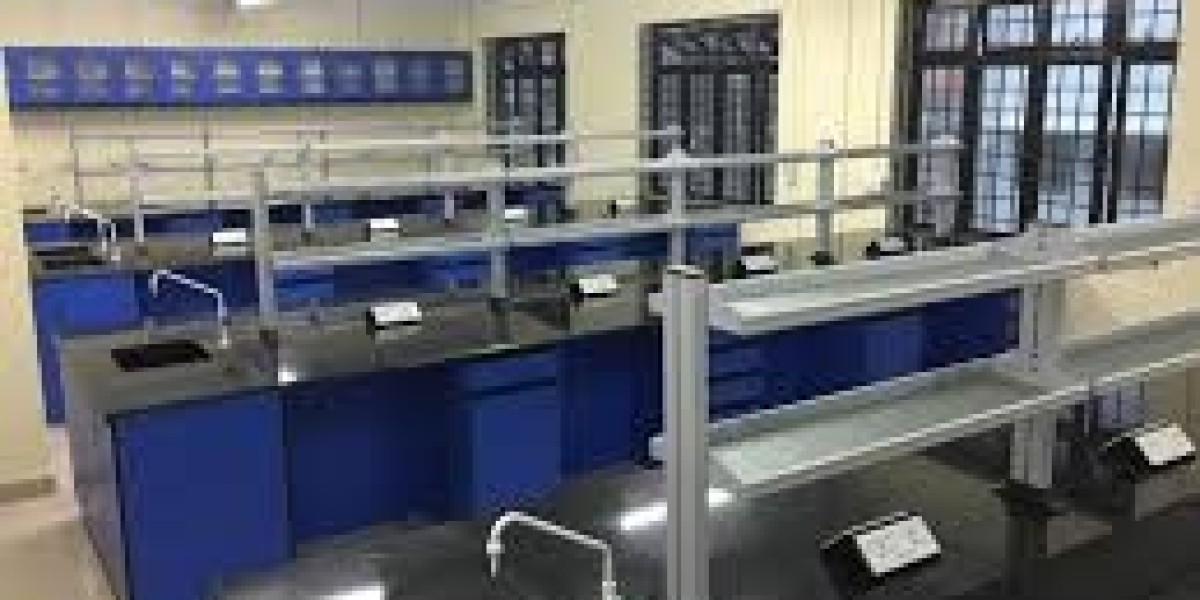
1. Laboratory Workbenches
Workbenches are the backbone of any laboratory.
Why They Matter:
Provide stable work surfaces
Support heavy instruments
Offer chemical-resistant tops
Enable modular expansion
Modern benches should be customizable and designed to handle diverse testing activities.
2. Fume Hoods
Safety begins with proper ventilation.
Key Benefits:
Protect users from hazardous fumes
Maintain controlled airflow
Reduce contamination risks
Ensure regulatory compliance
Fume hoods are essential for chemical handling and sensitive experiments.
3. Storage Cabinets
Proper storage prevents clutter and accidents.
Essential Types:
Chemical storage cabinets
Flammable material cabinets
General storage units
Glassware cabinets
Organized storage improves efficiency and maintains safety standards.
4. Laboratory Seating
Comfort impacts productivity.
Important Features:
Adjustable height
Lumbar support
Durable, chemical-resistant materials
Mobility with stability
Ergonomic seating reduces fatigue during long working hours.
5. Mobile Workstations
Flexibility is critical in modern labs.
Advantages:
Easy reconfiguration
Space optimization
Adaptability for new projects
Improved collaboration
Mobile units allow laboratories to quickly adjust layouts as needs change.
6. Sink Units and Utility Modules
Water and utility access must be efficient and safe.
Design Considerations:
Chemical-resistant sinks
Integrated plumbing
Easy maintenance access
Spill-resistant surfaces
Utility modules improve workflow without compromising safety.
7. Overhead Service Carriers
Modern labs require organized utility distribution.
Benefits:
Suspended power outlets
Gas and vacuum lines
Reduced floor clutter
Flexible service connections
Overhead systems maximize workspace while maintaining accessibility.
Conclusion
Selecting the right laboratory furniture is crucial for building safe, productive, and future-ready workspaces. From durable workbenches and fume hoods to ergonomic seating and flexible storage solutions, each element plays a vital role in laboratory performance. Investing in high-quality, modular furniture ensures long-term operational efficiency and compliance.