
Introduction
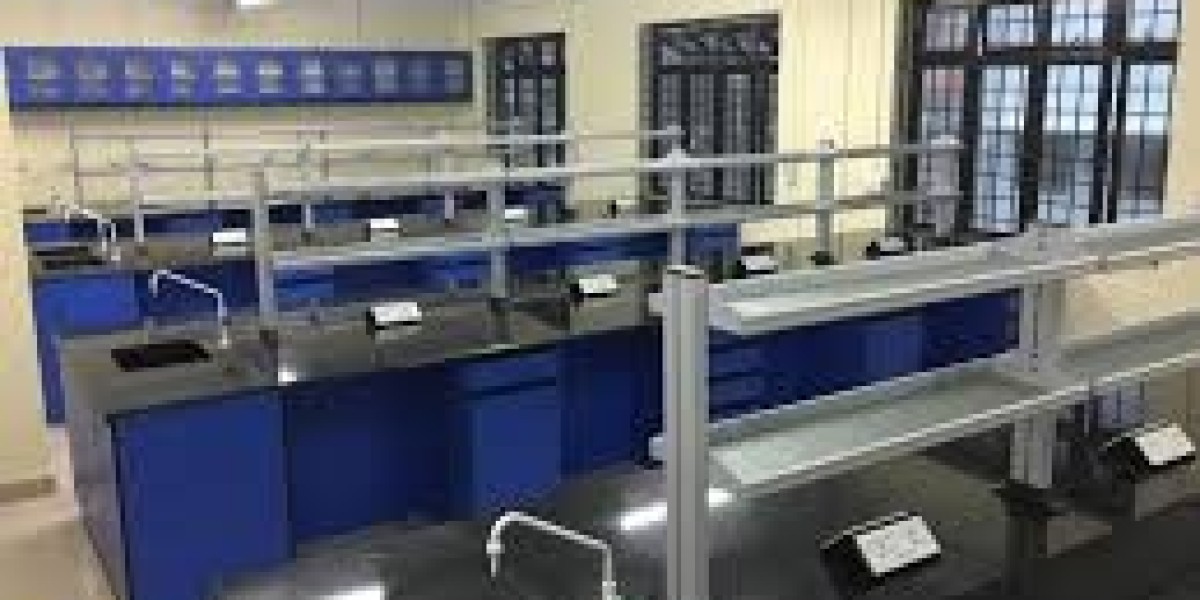
Scientific workspaces are rapidly transforming to meet the demands of innovation, compliance, and efficiency. Modern Lab Furniture in india Traditional lab designs are being replaced with smarter, more adaptable environments that support collaboration, automation, and sustainability. Organizations today require laboratories that are not only functional but also future-ready.
Understanding current design trends helps laboratories stay competitive and efficient.
1. Modular and Flexible Layouts
Rigid layouts are becoming outdated.
Modern Approach:
Modular lab benches
Movable partitions
Reconfigurable workstations
Expandable storage systems
Flexible designs allow laboratories to adapt quickly to new projects and technologies without major renovations.
2. Smart Technology Integration
Digital transformation is reshaping lab operations.
Smart Features:
Automated monitoring systems
Digital data tracking
Integrated lab management software
IoT-enabled equipment
Technology improves accuracy, reduces manual errors, and enhances real-time monitoring.
3. Sustainable and Eco-Friendly Materials
Environmental responsibility is now a priority.
Sustainable Design Elements:
Energy-efficient lighting
Low-emission materials
Recyclable furniture components
Water-saving fixtures
Green design reduces operational costs and supports environmental goals.
4. Collaborative Workspaces
Modern labs encourage teamwork.
Collaborative Design:
Open communication zones
Shared analytical stations
Glass partitions for visibility
Meeting spaces within lab areas
Improved collaboration accelerates research and innovation.
5. Enhanced Safety Integration
Safety is being built into design rather than added later.
Safety Innovations:
Improved airflow systems
Dedicated hazardous zones
Clearly marked safety pathways
Built-in emergency stations
Proactive safety planning reduces risks and ensures regulatory compliance.
6. Ergonomic Advancements
Comfort-driven design continues to grow.
Key Developments:
Height-adjustable furniture
Anti-fatigue flooring
Improved lighting systems
Optimized reach zones
Ergonomic advancements boost productivity and reduce workplace injuries.
7. Data-Driven Space Planning
Design decisions are now backed by analytics.
Benefits:
Optimized space utilization
Improved workflow mapping
Reduced congestion
Better equipment placement
Data-driven layouts improve both efficiency and cost management.
8. Cleanroom and Controlled Environment Expansion
Demand for controlled environments is increasing.
Design Focus:
Advanced filtration systems
Contamination control zones
Controlled access areas
Specialized flooring and surfaces
These features are critical for pharmaceutical, biotech, and research labs.
9. Aesthetic and Brand-Focused Design
Modern laboratories also reflect company identity.
Visual Trends:
Sleek finishes
Branded color schemes
Contemporary lighting fixtures
Organized, minimal layouts
A professional environment enhances reputation and employee satisfaction.
10. Future-Ready Infrastructure
Forward-thinking labs plan for growth.
Infrastructure Planning:
Extra utility provisions
Expandable electrical systems
Scalable HVAC design
Flexible service panels
Planning ahead reduces future upgrade costs.
Conclusion
Laboratory design is no longer just about functionality — it is about adaptability, sustainability, safety, and innovation. Modern trends emphasize modular layouts, smart technology, ergonomic improvements, and environmentally conscious materials. Laboratories that embrace these advancements are better positioned for long-term success and operational excellence.