
Malaria treatment involves the use of specific drugs to target and destroy malaria-causing parasites in the bloodstream. Common therapies include combination treatments to improve effectiveness. Proper medical supervision is required during treatment.
Malaria Treatment Market Overview and Growth Dynamics
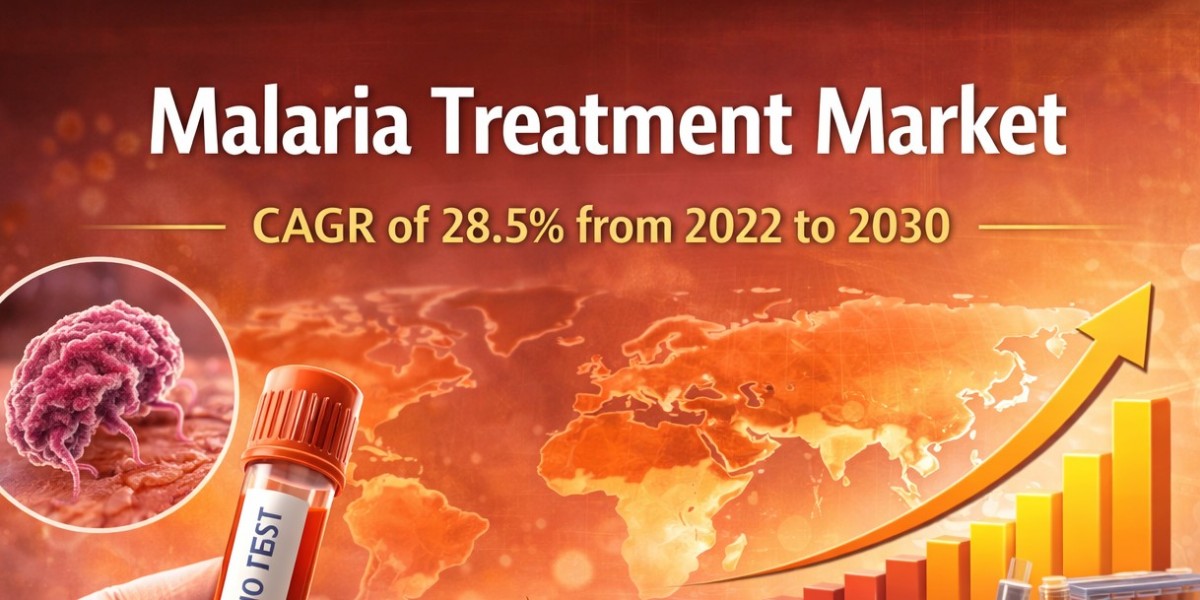
The malaria treatment market is experiencing rapid expansion, driven by the increasing global burden of malaria and intensified efforts toward disease elimination. The market was valued at US$ 3,296.98 million in 2022 and is expected to reach US$ 24,487.73 million by 2030, registering a remarkable CAGR of 28.5% during the forecast period. This strong growth reflects rising investments in treatment development, improved access to healthcare, and the growing need for effective therapeutic solutions in malaria endemic regions.
Disease Burden and Market Drivers
Malaria is a life threatening infectious disease caused by Plasmodium parasites and transmitted through infected female Anopheles mosquitoes. The high prevalence of malaria in low income countries, particularly in Africa, is a major driver of market growth. In 2021, Africa accounted for nearly 95% of global malaria cases and 96% of deaths, with children under five years representing a significant proportion of fatalities. Countries such as Nigeria, the Democratic Republic of the Congo, Tanzania, and Niger contribute to a large share of global deaths. Global malaria elimination programs and increasing awareness are further boosting the demand for treatment solutions.
Download Sample PDF- https://www.theinsightpartners.com/sample/TIPRE00018229
Impact of COVID-19 on Malaria Management
The COVID-19 pandemic disrupted healthcare systems worldwide, leading to increased malaria cases and deaths. Between 2020 and 2021, disruptions resulted in more than 13 million additional malaria cases and 63,000 deaths. Limited access to healthcare services, delays in diagnosis, and interruptions in treatment programs contributed to this surge. However, the pandemic also emphasized the importance of strengthening healthcare infrastructure and investing in effective treatment solutions, indirectly supporting market growth in the long term.
Treatment Segment Insights
Based on treatment type, the malaria treatment market is segmented into generic drugs, originators, vaccines, and others. The vaccines segment held the largest share in 2022 and is expected to register the highest growth rate. The development of malaria vaccines, particularly the RTS,S vaccine, has marked a significant milestone in disease prevention. Increasing research and development activities and a growing pipeline of vaccine candidates are contributing to segment growth. Generic and originator drugs also remain essential components of treatment, especially in regions with high disease prevalence.
Route of Administration Analysis
The market is divided into oral and parenteral routes of administration. Oral drugs held a larger market share due to their ease of use, cost effectiveness, and high patient compliance. Common antimalarial drugs such as chloroquine, quinine, and artemisinin based combination therapies are widely administered orally. However, the parenteral segment is expected to grow at a faster rate due to its effectiveness in treating severe malaria cases, particularly in hospital settings where rapid intervention is required.
Distribution Channel Insights
By distribution channel, the market includes direct tender, hospital pharmacies, retail pharmacies, online pharmacies, and others. The direct tender segment dominates the market and is expected to maintain its leading position. Government initiatives and large scale procurement programs play a crucial role in ensuring the availability of malaria drugs in public healthcare systems. The use of structured tender processes helps streamline supply and improve access to treatment in high burden regions.
Challenges in Market Growth
Despite strong growth prospects, the malaria treatment market faces several challenges. One of the major concerns is the increasing prevalence of counterfeit antimalarial drugs, particularly in low income countries. These counterfeit products reduce treatment efficacy, increase the risk of drug resistance, and undermine trust in healthcare systems. Additionally, the emergence of drug resistant malaria strains poses a significant threat to existing treatment options, necessitating continuous innovation and monitoring.
Regional Market Analysis
The Middle East and Africa region holds the largest share of the malaria treatment market due to the high prevalence of the disease. Nigeria stands out as a key contributor, with a significant portion of the population at risk of malaria. Government initiatives and collaborations with global organizations are supporting treatment efforts in the region. Meanwhile, Asia Pacific and other regions are also witnessing growth due to increasing awareness, improving healthcare infrastructure, and rising investments in disease management.
Key Players in the Malaria Treatment Market:
- Cipla Ltd
- Pfizer Inc
- Sun Pharmaceutical Industries Ltd
- Sanofi SA
- GSK Plc
- Novartis AG
- AdvaCare Pharma USA LLC
- VLP Therapeutics LLC
- Lupin Ltd
- Teva Pharmaceutical Industries Ltd
Future Outlook
The malaria treatment market is expected to witness transformative growth in the coming years, driven by advancements in vaccine development, novel drug therapies, and global health initiatives. Increased collaboration between governments, pharmaceutical companies, and international organizations will play a critical role in combating malaria. Innovations such as single dose treatments and improved combination therapies are likely to enhance treatment outcomes. As awareness and access to healthcare improve, the market is poised to expand significantly, contributing to global efforts toward malaria elimination.
Related Report: