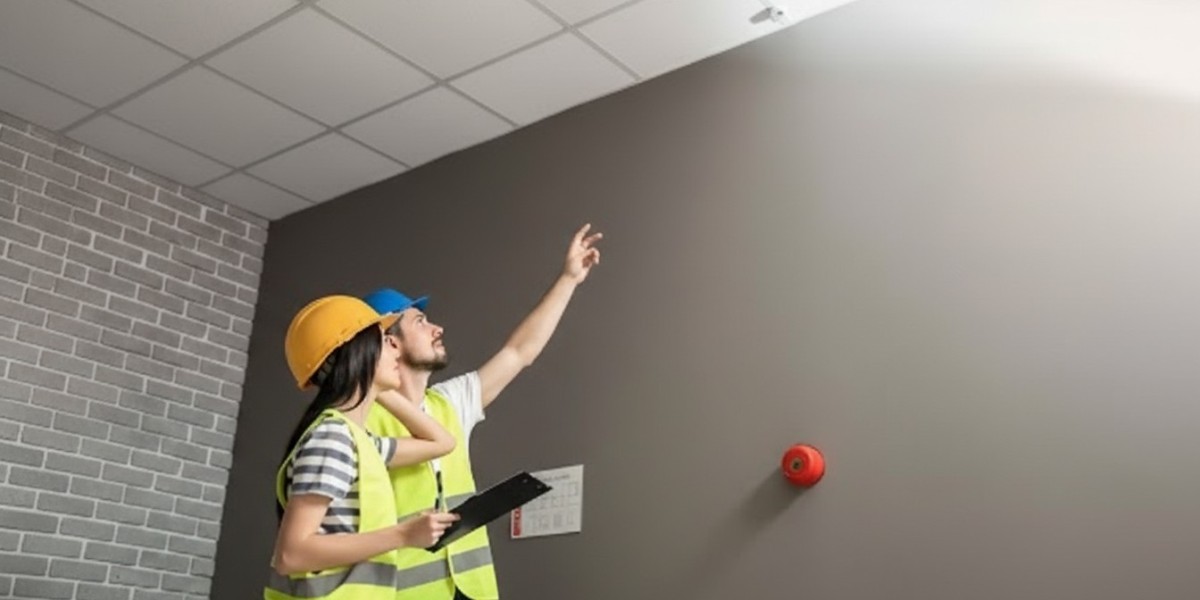

Property snagging is an essential process for anyone purchasing or moving into a new property. Whether the property is newly built or recently renovated, snagging helps identify defects, unfinished work, and quality issues before they turn into costly repairs. Many buyers assume that a new property will be flawless, but even the best developments can contain hidden problems. Property snagging ensures that these issues are identified early and resolved properly.
This guide explains what property snagging is, why it matters, what it involves, and how it benefits homeowners and investors. Understanding this process can save time, money, and stress while ensuring your property meets the expected standards.
What Is Property Snagging
Property snagging is the detailed inspection of a property to identify defects, poor workmanship, or incomplete elements. These issues are commonly known as snags. Snags can be cosmetic, functional, or structural. They may include uneven finishes, faulty fittings, leaks, cracks, or installation problems.
The purpose of property snagging is to create a clear record of issues that need correction. This allows the developer, builder, or contractor to address problems before the property is fully occupied. Snagging acts as a quality control step that protects the buyer’s interests.
Why Property Snagging Is Important
Property snagging plays a crucial role in protecting your investment. Purchasing property is often one of the most significant financial commitments a person makes. Overlooking small defects can lead to larger problems over time. Snagging ensures that defects are identified early when responsibility still lies with the builder.
A snagging inspection also gives buyers peace of mind. Knowing that the property has been carefully checked allows homeowners to move in with confidence. It also reduces future disputes by clearly documenting issues that require attention.
For investors, property snagging helps maintain property value and rental appeal. A well-finished property attracts tenants and reduces maintenance costs in the long run.
When Property Snagging Should Be Done
Property snagging should ideally be carried out before final handover or immediately after receiving possession. Early snagging allows builders to correct issues while equipment and materials are still on site. This makes repairs quicker and more effective.
Snagging can also be done after moving in, especially if some defects were not visible initially. However, early inspection remains the most effective approach for addressing problems efficiently.
What a Property Snagging Inspection Covers
A property snagging inspection examines both visible and hidden aspects of the property. It includes checks of internal spaces such as walls, ceilings, flooring, doors, and windows. Inspectors look for cracks, uneven surfaces, paint issues, and alignment problems.
Fixtures and fittings are also assessed. This includes switches, sockets, plumbing fixtures, cabinetry, and appliances. Inspectors ensure everything is installed correctly and functions as intended.
External areas are equally important. Snagging covers roofs, drainage, balconies, exterior walls, and surrounding areas. Structural integrity and weather resistance are carefully reviewed.
Common Issues Found During Property Snagging
Many snags are minor but can cause inconvenience if ignored. Common issues include poor paint finishes, loose fittings, leaking taps, misaligned doors, and faulty electrical points. While these may seem small, addressing them early improves overall comfort and safety.
More serious snags can involve plumbing leaks, insulation gaps, ventilation issues, or structural concerns. Identifying these problems early prevents long-term damage and costly repairs.
Who Should Carry Out Property Snagging
Property snagging can be done by homeowners themselves, but professional snagging inspections offer greater accuracy. Trained inspectors have experience identifying defects that may not be obvious to untrained eyes. They use a systematic approach to ensure nothing is overlooked.
Professional snagging also provides detailed reports that clearly outline required corrections. These reports are useful when communicating with builders and developers, ensuring accountability and clarity.
Benefits of Professional Property Snagging
Professional property snagging saves time and reduces stress for buyers. Instead of navigating disputes alone, buyers can rely on expert documentation. This often leads to faster resolution of issues.
Another key benefit is improved long-term property quality. Proper snagging ensures that the property meets expected standards and performs well over time. It also reduces future maintenance costs by addressing defects early.
Property Snagging for New and Existing Homes
While property snagging is commonly associated with new builds, it is also valuable for existing homes. Renovated properties may contain hidden defects or incomplete work. Snagging helps verify that renovations meet agreed standards.
In resale properties, snagging provides buyers with a clearer understanding of the property’s condition. This allows informed decision-making and negotiation if necessary.
How to Prepare for Property Snagging
Preparing for property snagging involves understanding what to look for and allocating sufficient time for inspection. Buyers should review property plans and specifications to ensure all agreed features are present.
Good lighting and access to all areas are essential. Taking notes and photographs during inspection helps document findings accurately. Clear communication with builders or sellers ensures that snags are addressed effectively.
Frequently Asked Questions About Property Snagging
What is the main purpose of property snagging
The main purpose of property snagging is to identify defects and unfinished work so they can be corrected before the buyer takes full responsibility for the property.
Is property snagging only for new builds
No, property snagging is useful for new builds, renovated homes, and even existing properties to ensure quality and safety standards are met.
Can property snagging save money
Yes, property snagging helps prevent future repair costs by addressing issues early when builders are still responsible.
Should I hire a professional for property snagging
Hiring a professional increases accuracy and ensures a thorough inspection, especially for buyers without technical knowledge.
What happens after a snagging inspection
After inspection, a snag list is created and shared with the responsible party so repairs and corrections can be completed.
Conclusion
Property snagging is a vital step in ensuring that a property meets expected quality, safety, and performance standards. It protects buyers from hidden defects, reduces future repair costs, and provides confidence in one of life’s most important investments. Whether purchasing a new build, a renovated home, or an existing property, snagging plays a crucial role in maintaining value and comfort.
By understanding the process and prioritizing proper inspection, buyers can enjoy peace of mind and long-term satisfaction. Property snagging is not just a checklist, but a smart approach to responsible property ownership.