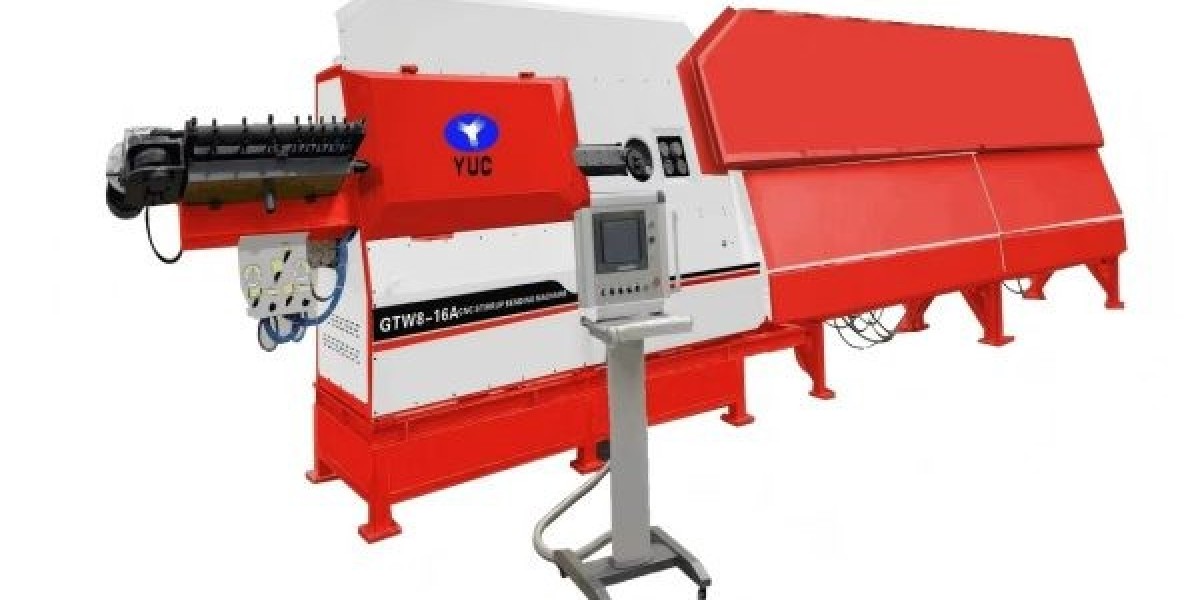

In the world of metal fabrication, precision, speed, and reliability are essential for producing high-quality components. Traditional manual bending methods are often slow, labor-intensive, and prone to errors, which can compromise both efficiency and product quality. The steel bending machine offers a modern solution, combining automation, durability, and accuracy to streamline steel bending operations across industrial and construction applications.
The steel bending machine is engineered to bend steel bars, rods, and profiles into precise shapes and angles with minimal human intervention. Using advanced mechanical and CNC-controlled systems, it ensures consistent and uniform results for every piece. This level of precision is critical for construction, machinery fabrication, and metalwork projects where accurate bends directly impact the strength and integrity of the final structure.
Efficiency is a major advantage of the steel bending machine. Manual bending can take hours for large-scale projects, whereas this machine completes the same tasks in minutes. Its high-speed operation allows for continuous production, reducing labor costs and increasing overall project throughput. Contractors, fabricators, and industrial operators can rely on the machine to meet tight deadlines without compromising quality.
Durability and reliability are core features of the steel bending machine. Constructed with high-quality materials and designed for heavy-duty use, it withstands demanding workloads while maintaining precise performance. Minimal maintenance requirements ensure long-term productivity, providing a dependable solution for workshops and construction sites that need consistent and efficient steel bending operations.
Safety is another key benefit of the steel bending machine. Manual bending exposes workers to potential hazards, including repetitive strain injuries, pinches, and cuts from handling steel. By automating the process, this machine keeps operators at a safe distance from moving parts, reducing risks and creating a cleaner, safer working environment. User-friendly controls also make operation straightforward, even for less experienced staff.
The versatility of the steel bending machine makes it suitable for a wide range of applications. It can handle various steel diameters, shapes, and thicknesses, adapting to different project requirements. From construction frameworks to industrial machinery components, the machine delivers precise, repeatable bends that meet engineering specifications. Quick adjustments and programmable features allow operators to switch between projects efficiently, maximizing productivity and flexibility.
Investing in the steel bending machine is a strategic choice for any business involved in steel fabrication or construction. By automating steel bending, operators save time, reduce labor costs, and ensure consistent, high-quality results, enhancing both efficiency and structural integrity across every project.