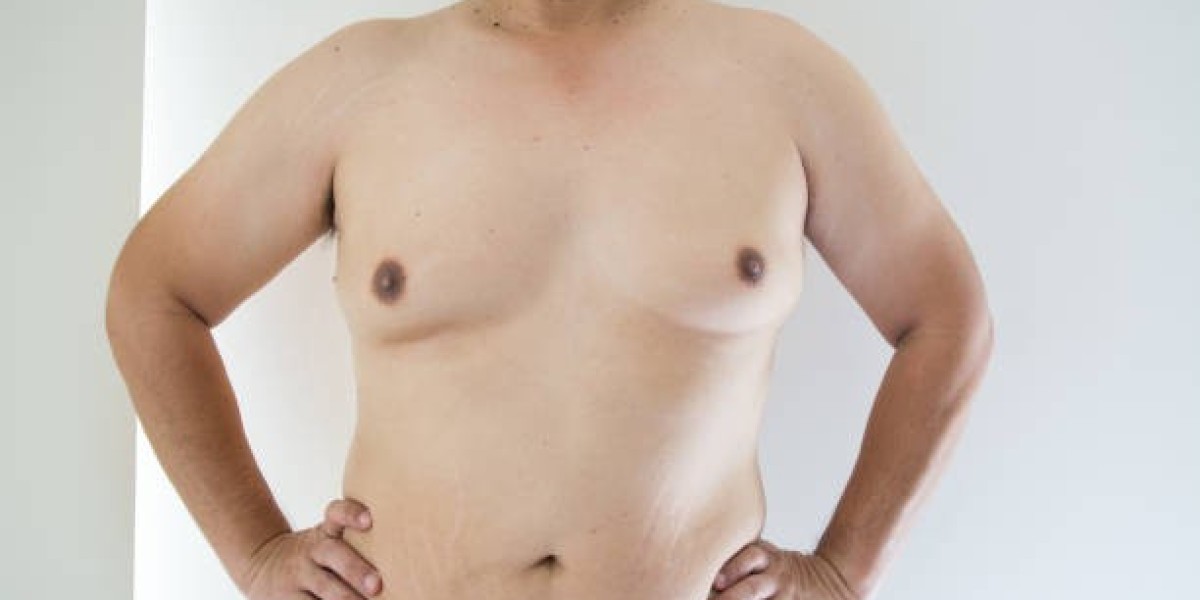

For many men, enlarged breast tissue is not a result of weight gain, but a direct consequence of a hormonal imbalance between testosterone and oestrogen. While lifestyle factors can play a role, true glandular growth is often triggered by puberty, aging, or specific medications that disrupt the endocrine system. Gynaecomastia Surgery in Dubai serves as a vital clinical intervention for those whose tissue has become "fixed"—meaning it will no longer respond to hormonal stabilization or exercise. By removing this hormone-sensitive glandular tissue, surgeons provide a physical correction to a biological issue.
In clinical settings, we observe that even when hormones are balanced later in life, the developed gland remains. Surgery is the only definitive method to excise this fibrous tissue and restore a traditional masculine chest profile.
The Endocrine Link to Gynaecomastia Development
Before undergoing Gynaecomastia Surgery in Dubai, it is clinically essential to understand the biological triggers that led to the tissue growth to ensure long-term success.
Pubertal Fluctuations: Temporary spikes in oestrogen during adolescence can cause glandular buds. If these do not regress within two years, they typically require surgical removal.
Andropause (Age-Related): As testosterone levels naturally decline with age, the relative increase in oestrogen can stimulate fat and gland accumulation in the chest.
Medication-Induced Growth: Certain antidepressants, hair loss medications (Finasteride), and anabolic steroids can trigger the mammary glands.
Secondary Conditions: In clinical settings, we also screen for thyroid dysfunction or adrenal issues, which can mimic or exacerbate gynaecomastia symptoms.
What is the Actual Pain Level During Hormonal Tissue Removal?
Is glandular tissue more sensitive to remove than fat?
Based on post-procedure follow-ups, patients rate the pain of a glandular-focused Gynaecomastia Surgery in Dubai at a 3/10. Because glandular tissue is more fibrous and better vascularized than fat, the surgical excision requires precise dissection near the pectoral fascia. This can lead to a sensation of "deep internal soreness" during the first 72 hours. However, the use of long-acting local anaesthetics ensures that the sharpest discomfort is managed effectively during the immediate recovery.
Who is Not a Candidate for Surgery Addressing Hormonal Loss?
Are there safety limits regarding active hormonal issues?
We do not recommend Gynaecomastia Surgery in Dubai for patients with "Active Endocrine Flux." If a patient is currently experiencing a rapid hormonal shift—such as during the first year of a new medication or during an active cycle of performance-enhancing drugs—the surgery must be postponed. In clinical settings, performing surgery while hormones are unstable can lead to recurrence. Additionally, men with untreated prolactinoma (a pituitary gland issue) must seek medical treatment before surgical contouring is considered safe.
Step-by-Step Patient Sensations: The Hormonal Reset
The healing process for hormone-related tissue removal involves specific sensory milestones as the chest adjusts to its new volume.
Days 1–4 (The "Reactive" Phase): You will feel a significant "tightness" in the retro-areolar area (behind the nipple). This is where the gland was removed.
Week 2 (The "Adjustment" Milestone): You may feel "zaps" or sudden tingling. Clinically, this is the sensory nerves re-adjusting now that the physical pressure of the gland is gone.
Month 2 (The "Stabilization" Phase): You will feel the skin becoming softer and more pliable. The "hard" feeling associated with the hormone-stimulated gland is replaced by natural tissue.
Month 6 (The "Permanent" Result): The hormonal "trigger" area is gone. You will feel a sense of stability in your chest contour that no longer fluctuates with minor lifestyle changes.
Why Choose Tajmeels Clinic for Gynaecomastia Surgery in Dubai?
At Tajmeels Clinic, we take a "Medical-First" approach to male chest restoration. We understand that Gynaecomastia Surgery in Dubai is often the final step in a long hormonal journey. Our practitioners conduct thorough pre-operative assessments to ensure your condition is stable and that surgery will provide a lasting result. We utilize the latest micro-excision techniques to remove glandular tissue with minimal disruption to the surrounding area, ensuring a masculine, natural look. By choosing Tajmeels Clinic, you are opting for a team that understands the complex biological roots of your condition and provides a precision-engineered surgical solution.
Genuine Patient Perspectives
"I had gynaecomastia since I was 14. No matter how much I worked out, that hard lump behind my nipple never went away. Tajmeels explained the hormonal side of it and removed the gland perfectly. The pain was just like a bad bruise for a few days." — Omar
"The team at Tajmeels really listened to my history with medications. They made sure I was medically ready before the surgery. The results are amazing—my chest is finally flat and looks like it should. The recovery was quick and the staff was very supportive." — Faisal
FAQ: Hormones and Gynaecomastia Surgery in Dubai
Can hormones make the tissue grow back after surgery?
In clinical settings, if the entire gland is removed, recurrence is extremely rare. However, extreme hormonal abuse (such as high-dose steroids) can potentially stimulate any microscopic remaining cells.
Will the surgery fix my hormone levels?
No. Gynaecomastia Surgery in Dubai removes the result of the hormonal imbalance (the tissue), but it does not change your internal hormone production.
Should I see an Endocrinologist first?
For many patients, we clinically recommend a blood panel to ensure there are no underlying health issues causing the growth before proceeding with surgery.
Is the glandular tissue tested after removal?
Yes, in clinical settings, we often send the excised glandular tissue for a routine biopsy to ensure total patient safety and health.
Why did exercise not work for my chest?
Exercise burns fat, but glandular tissue is "dense" and "fibrous." It is biologically different from fat and does not shrink with a calorie deficit.
How long do the results last?
Once the gland is removed, the results are considered permanent, provided the patient maintains a relatively stable weight and avoids hormonal triggers.