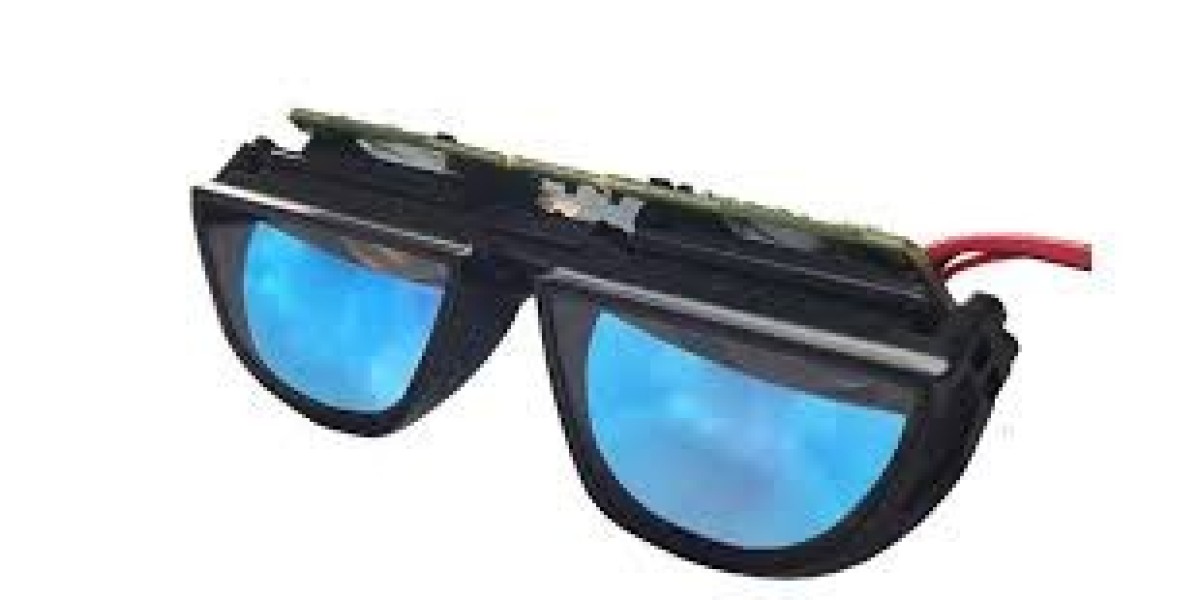

Augmented reality devices often struggle with limited field of view, low brightness, and image distortion. Users may experience unclear virtual overlays, poor contrast in outdoor environments, or bulky headset designs. These issues reduce immersion and make AR products less practical for daily use.
A well-designed Bird bath optical module addresses these challenges by improving light efficiency, image clarity, and overall optical performance. Widely used in AR smart glasses and head-mounted displays, this optical solution balances compact structure with high-quality projection, making it one of the most reliable architectures in near-eye display systems.
Why Traditional AR Optical Systems Fall Short
Many early AR devices relied on simple lens-based projection systems. While functional, they often created technical limitations.
Narrow Field of View
A limited FOV reduces immersion and restricts how much virtual content users can see at once.
Light Loss and Weak Brightness
In outdoor environments, poor optical efficiency makes virtual images appear faded or washed out.
Bulky Mechanical Design
Large optical stacks increase device weight and reduce wearing comfort, especially for long-term use.
How Bird Bath Optical Module Improves AR Performance
The Bird bath optical module uses a combination of reflective and refractive optical components to guide and project images directly into the user’s eye.
High Optical Efficiency
By optimizing light reflection and transmission, the system reduces brightness loss and improves image clarity.
Balanced Field of View
This optical design provides a wider viewing angle compared to simple lens systems, enhancing user immersion.
Compact Integration
The architecture supports compact assembly, allowing manufacturers to design lightweight AR glasses without sacrificing performance.
Using a precision-engineered Bird bath optical module ensures stable image projection and consistent visual quality across various applications.
Core Components of the Bird Bath Architecture
Understanding its internal structure helps explain its effectiveness.
Beam Splitter
The beam splitter reflects projected light toward the eye while allowing external light to pass through, enabling augmented overlays on real-world scenes.
Concave Mirror
A curved mirror enlarges and focuses the virtual image, improving clarity and perceived image size.
Micro Display Integration
Often paired with micro OLED or micro display panels, the system ensures high resolution and sharp image rendering.
Applications in AR and Mixed Reality
Bird bath optical modules are commonly used in:
AR Smart Glasses
They provide stable projection for navigation, industrial assistance, and real-time data visualization.
Industrial Maintenance Systems
Technicians use AR headsets with bird bath modules to access instructions and diagnostic information hands-free.
Medical Visualization
Healthcare professionals benefit from real-time data overlays during procedures and diagnostics.
Education and Training
Interactive AR systems improve engagement and learning efficiency through immersive content display.
Key Factors to Consider Before Selection
Choosing the right optical module requires evaluating technical specifications carefully.
Field of View (FOV)
A wider FOV enhances immersion and usability.
Optical Efficiency
Higher light transmission ensures better outdoor visibility.
Image Uniformity
Even brightness distribution prevents visual discomfort.
Weight and Form Factor
Lightweight and compact design improves wearability and long-term comfort.
Advantages Over Alternative Optical Solutions
Compared to waveguide optics, bird bath modules offer simpler manufacturing processes and cost-effective production. They also provide strong brightness output and reliable image quality, making them suitable for commercial AR products.
While waveguide systems focus on ultra-thin design, bird bath modules balance performance, brightness, and development efficiency, which is ideal for many enterprise and consumer applications.
Conclusion
Blurry images, weak brightness, and narrow field of view can limit the effectiveness of AR devices. A Bird bath optical module solves these issues by improving optical efficiency, projection clarity, and viewing angle. Its reflective and refractive design supports high-resolution image delivery while maintaining a compact structure.
For AR manufacturers and system integrators, selecting the right optical module directly impacts product performance and user satisfaction. Investing in a well-designed bird bath solution ensures clearer visuals, better immersion, and reliable operation across various augmented reality applications.