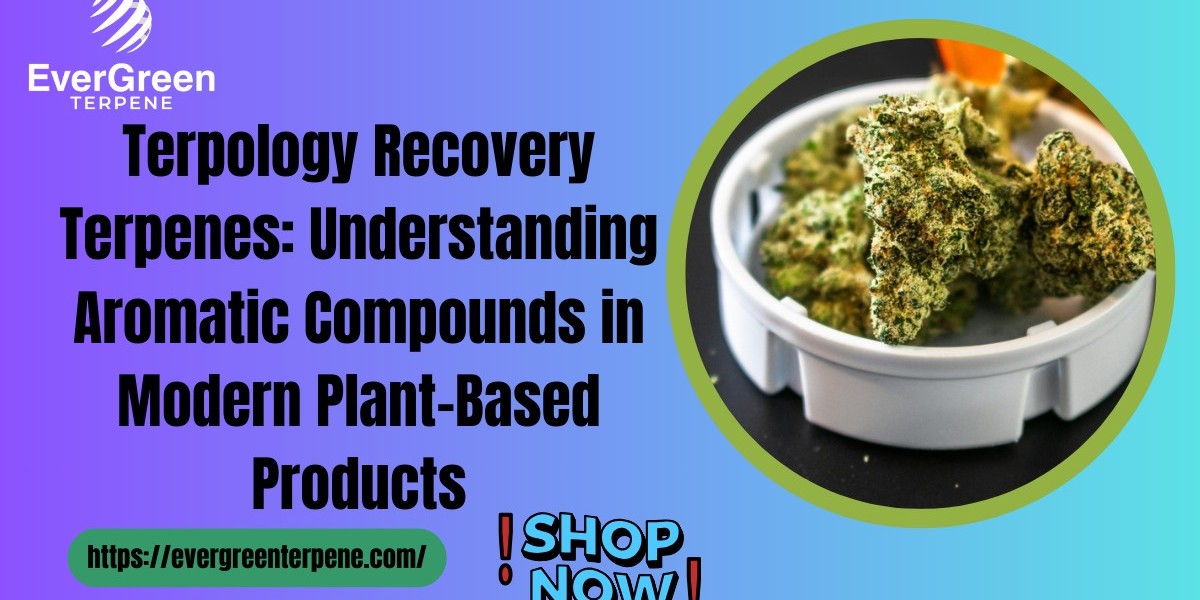

Terpology Recovery Terpenes: Understanding Aromatic Compounds in Modern Plant-Based Products
Interest in plant-based formulations has grown significantly across the United Kingdom, especially in discussions surrounding terpology recovery terpenes. As more consumers explore cannabis-adjacent and botanical product categories, terpenes have become an important topic of conversation.
Terpenes are naturally occurring aromatic compounds found in many plants, including citrus fruits, herbs, pine trees, and cannabis. They contribute to fragrance, flavour, and plant identity. While terpenes are widely discussed in wellness spaces, it’s important to approach the topic with clarity, compliance, and responsible expectations.
This guide explores what terpology recovery terpenes are, how they are used in regulated markets, and what UK consumers should know.
What Are Terpenes?
Terpenes are organic compounds responsible for the distinctive aromas of plants. For example:
The scent of lavender comes from linalool.
Citrus fruits contain limonene.
Pine trees produce pinene.
In cannabis-related discussions, terpenes are often mentioned alongside cannabinoids. However, terpenes themselves are not classified as medicines. They are aromatic compounds that contribute to a product’s profile.
Research into terpene interaction within botanical formulations is ongoing, but claims regarding specific medical outcomes should always be approached cautiously and responsibly.
What Does “Terpology Recovery Terpenes” Mean?
The term terpology recovery terpenes generally refers to terpene-focused formulations or blends that highlight aromatic compounds derived from plant sources.
“Terpology” combines:
Terpene science
Product formulation understanding
Recovery in this context does not imply medical treatment. Instead, it often refers to general wellness positioning within lifestyle markets.
It is essential to avoid interpreting terpene products as substitutes for licensed medical treatments. In the UK, medical claims must meet strict regulatory standards.
The Growing Interest in Terpenes in the UK
Following the legalization of cannabis-based products for medicinal use in 2018, conversations around plant compounds expanded. Alongside discussions about Medical Cannabis UK frameworks and medical cannabis eligibility UK requirements, consumers became increasingly curious about the broader plant profile — including terpenes.
Terpenes are now commonly discussed in relation to:
THC vapes
Flower products
CBD oils
Concentrates
Botanical blends
Their appeal lies primarily in aroma, flavour, and product differentiation.
Commonly Known Terpenes in Botanical Products
Some frequently referenced terpenes include:
Limonene
Often associated with citrus scents.
Myrcene
Found in mangoes, hops, and certain botanical varieties.
Pinene
Recognizable from pine trees and rosemary.
Linalool
Common in lavender-based products.
While research continues into terpene interactions, regulatory frameworks require that no unsupported health claims are made regarding their effects.
Terpenes and the “Entourage Effect” Discussion
In cannabis-related education, you may encounter the term “entourage effect,” referring to how plant compounds may interact together.
However:
The concept remains under scientific evaluation.
Regulatory authorities require careful language when describing potential interactions.
Terpenes are not approved standalone treatments.
Consumers should always distinguish between educational discussion and clinically validated medical information.
Responsible Education Around Terpene Products
When exploring terpology recovery terpenes, UK consumers should prioritize:
Transparent ingredient sourcing
Compliance with UK law
No exaggerated wellness claims
Clear product labelling
Brands operating responsibly within regulated markets focus on education rather than promises.
How Terpenes Fit Into the Broader Medical Cannabis Conversation
While terpenes are widely discussed in lifestyle and botanical product markets, medical cannabis prescriptions in the UK are tightly regulated.
Medical Cannabis UK prescriptions involve:
Specialist doctors
Licensed cannabis-based products
Strict dosing and monitoring
Controlled dispensing
Terpene profiles may be part of product descriptions, but prescribing decisions are made based on clinical criteria — not aroma alone.
Are Terpenes Legal in the UK?
Terpenes themselves are legal aromatic compounds found in many plants and consumer goods, including:
Essential oils
Food flavourings
Fragrances
However, products containing cannabinoids may fall under separate legal frameworks. Consumers must ensure they purchase from compliant providers.
The Importance of Compliance and Transparency
Because cannabis-related topics remain sensitive in the UK, responsible communication is essential.
Brands and educational platforms should:
Avoid medical claims without clinical validation
Encourage consultation with healthcare professionals
Provide fact-based content
Follow UK advertising standards
This ensures consumer safety and industry sustainability.
Terpology Recovery Terpenes in Modern Plant-Based Markets
The increasing popularity of terpene-focused discussions reflects a broader consumer interest in plant science and formulation transparency.
Whether found in CBD-related categories, botanical blends, or cannabis-adjacent products, terpenes are primarily valued for:
Aroma complexity
Product character
Sensory experience
Ongoing research continues to explore plant compound interactions, but any health-related interpretation must remain within regulatory boundaries.
Exploring Responsible Plant-Based Education
For UK consumers seeking educational insights into terpene profiles and regulated plant-based categories, platforms like EverGreen Terpene provide product-focused information designed to support informed decision-making.
As always, individuals considering cannabis-based products for medical purposes should consult qualified healthcare professionals and follow UK legal requirements regarding prescriptions and eligibility.
Frequently Asked Questions (FAQs)
1. What are terpology recovery terpenes?
They refer to terpene-focused blends or formulations highlighting aromatic plant compounds. They are not classified as medicines.
2. Are terpenes medical treatments?
No. Terpenes are aromatic compounds found in plants. They are not approved standalone medical treatments.
3. Are terpene products legal in the UK?
Terpenes themselves are legal. However, products containing controlled cannabinoids are subject to UK regulations.
4. Do terpenes replace medical cannabis prescriptions?
No. Medical cannabis prescriptions require specialist oversight and legal compliance.
5. What is the entourage effect?
It is a theory suggesting plant compounds may interact together, but research is ongoing and regulated claims must be cautious.
6. Should I consult a doctor before using cannabis-based products?
Yes. Always consult a qualified healthcare professional regarding medical cannabis eligibility uk requirements or treatment options.