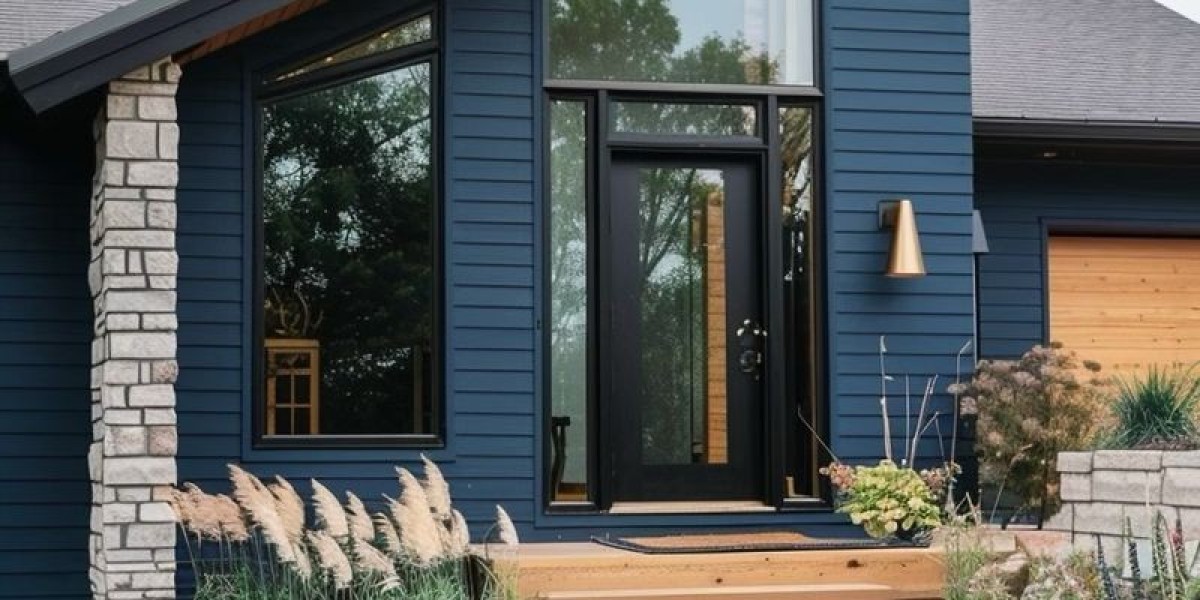

Home renovation projects can range from upgrading a single room to completely transforming an entire property. Among the most impactful improvements homeowners undertake are bathroom renovation and remodeling and full house renovation. While a bathroom upgrade enhances comfort and daily convenience, a full house renovation reshapes the entire living experience.
Both types of projects require thoughtful planning, budgeting, and professional execution. When done correctly, they not only improve aesthetics but also increase functionality, energy efficiency, and long-term property value.
This article explores the process, benefits, challenges, and key considerations involved in bathroom renovations and full house renovations.
Bathroom Renovation and Remodel: Small Space, Big Impact
Bathrooms may be among the smallest rooms in a home, but they play a crucial role in daily life. A well-designed bathroom combines practicality, comfort, and style. Renovating or remodeling this space can dramatically improve the overall feel of a home.
Bathroom Renovation vs. Bathroom Remodel
Though often used interchangeably, these terms can have slightly different meanings:
Bathroom Renovation typically involves updating existing elements such as tiles, fixtures, vanities, and lighting without significantly altering the layout.
Bathroom Remodel usually includes structural changes like relocating plumbing, expanding the space, or reconfiguring the floor plan.
Understanding the scope of work helps homeowners plan budgets and timelines accurately.
Why Renovate a Bathroom?
1. Improve Functionality
Older bathrooms may lack sufficient storage, proper lighting, or efficient plumbing. Renovation addresses these issues.
2. Increase Home Value
Updated bathrooms are highly attractive to buyers and often yield strong returns on investment.
3. Enhance Energy Efficiency
Modern low-flow toilets, water-saving faucets, and LED lighting reduce utility costs.
4. Fix Structural Issues
Leaks, mold, outdated wiring, or deteriorating tiles can compromise safety and hygiene.
Key Elements of a Successful Bathroom Renovation
1. Layout Planning
Efficient space utilization is critical. Designers consider traffic flow, fixture placement, and accessibility.
2. Plumbing and Waterproofing
Waterproof membranes, proper drainage, and quality plumbing installations prevent costly water damage.
3. Fixtures and Features
Popular upgrades include:
Walk-in showers with glass enclosures
Freestanding bathtubs
Double vanities
Wall-mounted toilets
Smart mirrors with LED lighting
4. Storage Solutions
Floating shelves, built-in cabinets, and recessed niches improve organization.
5. Ventilation
Proper ventilation prevents moisture buildup and mold growth.
Modern Bathroom Trends
Spa-inspired designs
Neutral color palettes
Large-format tiles
Matte black or brushed gold fixtures
Heated floors
Touchless faucets
Contemporary bathroom renovations focus on both relaxation and practicality.
Budget Considerations
Bathroom renovation costs vary based on:
Size of the space
Material quality
Labor expenses
Plumbing modifications
Custom features
Including a contingency fund (10–15%) is recommended to manage unexpected issues such as hidden water damage.
Full House Renovation: A Complete Transformation
Unlike single-room upgrades, a full house renovation involves updating multiple rooms or the entire property. This type of project can dramatically reshape a home’s structure, design, and functionality.
What Is a Full House Renovation?
A full house renovation typically includes:
Structural modifications
Electrical and plumbing upgrades
Flooring replacement
Window and door replacement
Roofing updates
Interior and exterior redesign
HVAC system improvements
Insulation enhancements
It may involve restoring an older property or modernizing an outdated home to meet current lifestyle needs.
Reasons for a Full House Renovation
1. Modernizing an Older Home
Properties built decades ago may lack open layouts, energy efficiency, or contemporary design elements.
2. Repairing Structural Damage
Foundation problems, roof deterioration, or outdated wiring may require comprehensive upgrades.
3. Improving Energy Efficiency
New insulation, energy-efficient windows, and upgraded heating systems reduce long-term costs.
4. Personalization
Homeowners may wish to completely customize their living space.
5. Preparing for Resale
A full renovation can significantly boost market value and buyer appeal.
Planning a Full House Renovation
Because of its complexity, full house renovation requires detailed planning.
Step 1: Assessment and Inspection
Professionals evaluate structural integrity, plumbing systems, electrical wiring, roofing, and insulation.
Step 2: Design Development
Architects or designers create detailed plans reflecting the homeowner’s vision.
Step 3: Budget and Timeline
Comprehensive budgeting includes labor, materials, permits, inspections, and contingency funds.
Step 4: Permits and Approvals
Structural and system upgrades typically require building permits and inspections to ensure compliance with local codes.
Challenges of Full House Renovation
While rewarding, full renovations can present challenges:
Extended timelines
Temporary relocation during construction
Unexpected structural discoveries
Budget overruns
Coordination of multiple contractors
Proper planning and hiring experienced professionals minimize these risks.
Comparing Bathroom Renovation and Full House Renovation
| Feature | Bathroom Renovation | Full House Renovation |
|---|---|---|
| Scope | Single room | Entire property |
| Cost | Moderate | High |
| Timeline | Short to moderate | Long-term project |
| Complexity | Focused systems | Multiple systems and structures |
| ROI | High | Potentially very high |
Both projects offer strong returns but differ significantly in scale and commitment.
The Importance of Professional Expertise
Renovation projects often require licensed contractors, electricians, plumbers, and structural engineers. Professional oversight ensures:
Compliance with building codes
Safe electrical and plumbing installations
Proper waterproofing
High-quality finishes
Structural integrity
Hiring experienced professionals also reduces delays and costly mistakes.
Sustainability and Energy Efficiency
Modern renovations increasingly prioritize environmental responsibility. Upgrades may include:
Energy-efficient windows
Solar-ready roofing
Water-saving fixtures
Sustainable flooring materials
Smart home technology
These improvements not only reduce environmental impact but also lower long-term operating costs.
Budgeting and Financial Planning
Whether renovating a bathroom or an entire home, budgeting is critical.
Include:
Design fees
Labor costs
Material expenses
Permit fees
Inspection costs
Temporary accommodation (for full renovations)
Contingency reserve (10–20%)
Clear contracts and transparent cost breakdowns protect homeowners from unexpected financial strain.
Increasing Property Value
Bathroom renovations consistently rank among the top value-adding improvements. Full house renovations, when done strategically, can significantly elevate a property’s market position.
Key value drivers include:
Updated kitchens and bathrooms
Energy-efficient upgrades
Open floor plans
Modern finishes
Structural soundness
Buyers often prioritize move-in-ready homes, making comprehensive renovations appealing.
Common Mistakes to Avoid
Bathroom Renovation Mistakes:
Choosing style over durability
Poor waterproofing
Inadequate lighting
Insufficient storage
Full House Renovation Mistakes:
Underestimating costs
Ignoring structural issues
Poor contractor selection
Rushing the design phase
Careful preparation prevents costly setbacks.
Long-Term Benefits
Both bathroom and full house renovations provide long-lasting benefits:
Improved comfort
Enhanced daily functionality
Greater energy efficiency
Increased resale value
Personalized living spaces
While bathroom renovations offer quick impact, full house renovations provide comprehensive transformation.
Conclusion
Bathroom renovation and remodel focus on enhancing one of the most frequently used spaces in a home, improving comfort, functionality, and value. Full house renovation, on the other hand, represents a complete reinvention of a property—addressing structural systems, modernizing design, and creating a cohesive living environment.
Both projects require thoughtful planning, skilled professionals, and realistic budgeting. When executed properly, they transform not only physical spaces but also the overall quality of life for homeowners.