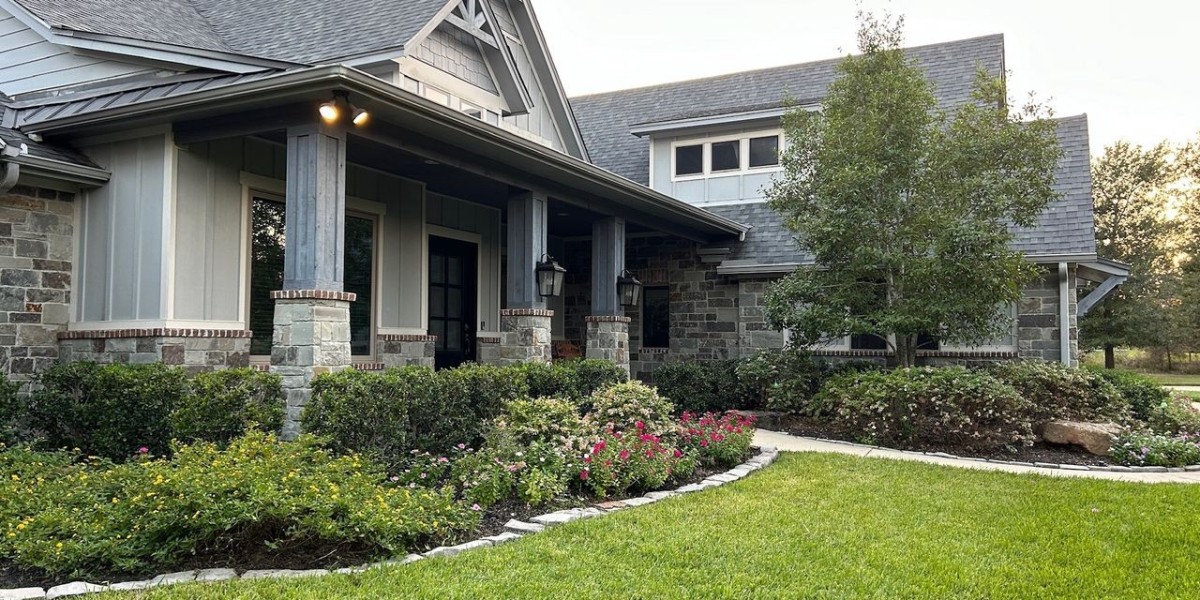

Homeownership is one of the most significant investments many people make in their lifetime. Over time, needs evolve—families grow, lifestyles change, and design preferences shift. That’s where home renovation services come in. Whether updating a kitchen, adding a second story, or remodeling an entire property, renovation projects allow homeowners to enhance comfort, functionality, and value.
However, successful renovations require more than just inspiration. Behind every well-executed project are detailed Architectural Drawings And Building Permits. These elements ensure that renovations are structurally sound, legally compliant, and aligned with long-term safety standards.
This article explores the importance of professional home renovation services and explains how architectural plans and building permits form the foundation of every successful project.
Home Renovation Services: More Than Just Cosmetic Changes
What Are Home Renovation Services?
Home renovation services include a wide range of improvements made to an existing property. These services may involve structural modifications, aesthetic upgrades, or both. Professional renovation contractors coordinate design, labor, materials, scheduling, and inspections to transform ideas into completed projects.
Common types of renovation services include:
Kitchen remodeling
Bathroom upgrades
Basement finishing
Room additions
Roofing replacement
Flooring installation
Electrical and plumbing updates
Exterior improvements
Some projects focus primarily on design and appearance, while others involve major structural changes that require engineering oversight.
Why Homeowners Invest in Renovations
1. Increasing Property Value
Renovations often provide strong returns on investment. Updated kitchens, modern bathrooms, and open-concept layouts are particularly attractive to buyers.
2. Improving Functionality
Families may need additional bedrooms, expanded living spaces, or home offices to accommodate lifestyle changes.
3. Enhancing Energy Efficiency
Upgrades such as insulation, new windows, and modern HVAC systems reduce energy consumption and utility costs.
4. Modernizing Outdated Designs
Older homes may require aesthetic updates to match contemporary preferences.
5. Addressing Structural Issues
Water damage, foundation problems, or aging materials sometimes necessitate renovation for safety reasons.
Professional renovation services ensure that improvements are not only visually appealing but also structurally reliable.
The Role of Architectural Drawings
What Are Architectural Drawings?
Architectural drawings are detailed technical plans that visually represent a building’s layout, structure, and design. They serve as the blueprint for construction and renovation projects.
These drawings typically include:
Floor plans
Elevations
Cross-sections
Site plans
Electrical layouts
Plumbing schematics
Structural details
Architectural plans provide precise measurements, material specifications, and construction instructions.
Why Architectural Drawings Are Essential
1. Clear Communication
Drawings translate ideas into measurable, actionable plans that contractors can follow accurately.
2. Structural Safety
Renovations that involve removing walls, adding rooms, or altering foundations require structural calculations to ensure stability.
3. Budget Accuracy
Detailed plans allow contractors to provide realistic cost estimates.
4. Regulatory Approval
Municipal authorities require approved architectural drawings before issuing building permits.
Without proper plans, misunderstandings can lead to costly errors and project delays.
The Collaboration Process
Architectural drawings are typically created by licensed professionals such as architects, designers, or structural engineers. In many regions, large-scale renovations require certification from a registered architect affiliated with organizations such as the American Institute of Architects or equivalent governing bodies in other countries.
The process often includes:
Initial consultation and site evaluation
Concept design development
Client revisions and approval
Technical drafting
Structural engineering review
Submission for permit approval
This collaborative approach ensures that the homeowner’s vision aligns with building regulations and engineering standards.
Understanding Building Permits
What Is a Building Permit?
A building permit is official approval from a local government authority allowing construction or renovation to proceed. Permits confirm that proposed work complies with zoning laws, safety codes, and building standards.
Most structural, electrical, plumbing, and mechanical renovations require permits.
Why Building Permits Matter
1. Legal Compliance
Renovations completed without permits may result in fines or legal complications.
2. Safety Assurance
Inspections conducted during permitted projects ensure compliance with structural, electrical, and fire safety codes.
3. Insurance Protection
Unpermitted work may void homeowners’ insurance coverage.
4. Resale Value
When selling a property, buyers and lenders often request documentation confirming that renovations were properly permitted.
Skipping permits might save time initially, but it can create significant financial and legal risks later.
The Permit Approval Process
Although procedures vary by municipality, the general steps include:
Submission of architectural drawings
Review by building officials
Payment of permit fees
Issuance of approval
Scheduled inspections during construction
Final approval upon project completion
Inspectors verify compliance at key stages, such as foundation work, framing, electrical wiring, and plumbing installation.
Common Renovation Projects Requiring Permits
Not all renovations require permits. Cosmetic updates like painting or cabinet replacement typically do not. However, the following projects usually require official approval:
Structural wall removal
Room additions
Garage conversions
Deck construction
Major plumbing modifications
Electrical panel upgrades
Window enlargement
Roofing replacement
Homeowners should consult local authorities before beginning work to determine specific requirements.
The Risks of Skipping Architectural Plans and Permits
While some property owners attempt to save money by bypassing formal processes, the consequences can be severe:
Structural instability
Failed inspections
Project shutdowns
Difficulty selling the property
Legal liability in case of injury
Expensive corrective work
Professional planning and compliance ultimately protect both the homeowner and future occupants.
Choosing the Right Renovation Professionals
Selecting qualified professionals is essential for successful project execution.
Look for:
Proper licensing and insurance
Strong portfolio of completed projects
Positive client reviews
Transparent cost estimates
Clear contract terms
Experience with permit applications
Working with experienced contractors who understand local building codes ensures smoother approvals and fewer delays.
Budgeting for Renovations
A realistic renovation budget should include:
Design and architectural fees
Permit costs
Construction labor
Materials
Inspection fees
Contingency fund (10–20%)
Unexpected conditions—such as hidden water damage or outdated wiring—can arise during demolition. A contingency fund helps manage these surprises without derailing the project.
Modern Trends in Home Renovation
Home renovation trends continue to evolve, including:
Open-concept living spaces
Energy-efficient upgrades
Smart home integration
Sustainable building materials
Outdoor living enhancements
Multi-functional rooms
Regardless of design trends, architectural planning and permits remain foundational requirements.
The Long-Term Benefits of Proper Planning
When renovations are professionally designed and properly permitted, homeowners gain:
Peace of mind
Increased property value
Improved structural integrity
Enhanced safety
Easier future resale
Investing in architectural drawings and permit approvals may extend the timeline slightly, but it significantly reduces long-term risk.
Conclusion
Home renovation services offer homeowners the opportunity to transform outdated or inefficient spaces into functional, modern environments tailored to their needs. However, behind every successful renovation lies a framework of detailed architectural drawings and legally approved building permits.
Architectural plans provide clarity, safety, and precision. Building permits ensure compliance, protect property value, and safeguard occupants. Together, they form the backbone of responsible renovation.