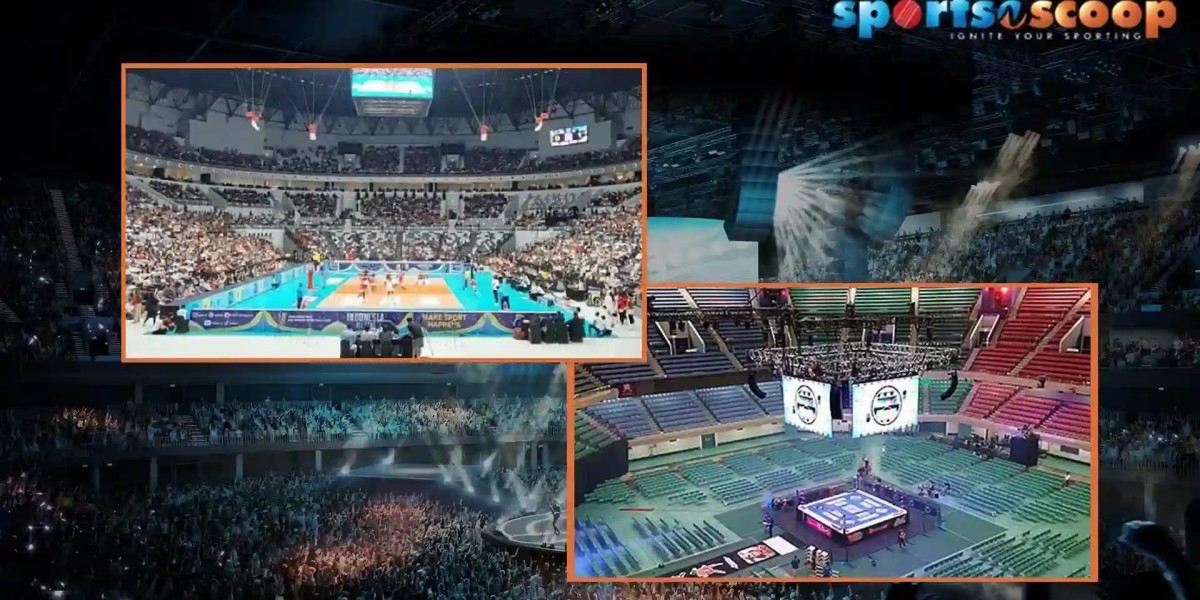

The Biggest Indoor Arena in the World represents the pinnacle of large-scale architectural innovation and structural mastery. Designed to host international sports competitions, global concerts, exhibitions, and mass gatherings, such venues combine immense capacity with advanced technology. Featuring adaptable layouts, superior acoustics, climate-controlled interiors, and enhanced safety systems, the Biggest Indoor Arena in the World sets new standards for comfort and functionality while delivering unforgettable large-event experiences.
Philippine Arena – The Record Holder
The Philippine Arena holds the distinction of being the Biggest Indoor Arena in the World, with an official seating capacity of approximately 55,000 spectators. Opened in 2014 in Bocaue, Bulacan, Philippines, it was built as a multipurpose venue capable of hosting concerts, sporting events, religious gatherings, and large conventions.
Its massive column-free dome structure is a standout engineering achievement, allowing unobstructed sightlines and enhanced crowd safety.
What Makes the Philippine Arena Unique
Several factors distinguish the Philippine Arena from other large venues:
Massive Permanent Seating: Around 55,000 fixed seats make it the largest enclosed arena globally.
Advanced Structural Design: A wide-span dome eliminates internal pillars for better visibility.
Multi-Event Flexibility: Easily adaptable for sports, entertainment, and large-scale assemblies.
While some venues may temporarily accommodate large crowds through special configurations, in terms of permanent indoor seating, the Philippine Arena continues to lead as the biggest indoor arena in the world.
Future Projects That Could Challenge the Record
There are ambitious projects that may challenge this record in the future. One notable example is the KJC King Dome in Davao City, Philippines. Once completed, it is expected to have a capacity of up to 75,000, potentially surpassing the Philippine Arena.
However, until such projects are fully completed and officially certified, the Philippine Arena remains recognized as the biggest indoor arena in the world.
Other Notable Large Indoor Arenas
Although the Philippine Arena holds the top position, several other indoor arenas are known for their massive scale:
Saitama Super Arena (Japan): Accommodates up to approximately 36,500 spectators in its largest configuration.
Paris La Défense Arena (France): Europe’s largest indoor venue, capable of hosting up to 45,000 people for concerts.
Mineirinho Arena (Brazil): A prominent indoor venue with a capacity of around 25,000, frequently used for volleyball, basketball, and entertainment events.
While these venues are impressive, none surpass the fixed seating capacity of the biggest indoor arena in the world.
Why Indoor Arenas Are Important
Large indoor arenas play a crucial role in global sports and entertainment:
Versatility: They support a wide range of events throughout the year.
Economic growth: Major events boost tourism, hospitality, and local businesses.
Engineering excellence: Safely housing tens of thousands indoors reflects cutting-edge structural design.
Conclusion
At present, the biggest indoor arena in the world is the Philippine Arena in the Philippines, with a seating capacity of around 55,000. While future projects may eventually claim the title, the Philippine Arena remains unmatched in terms of scale, design, and global recognition.