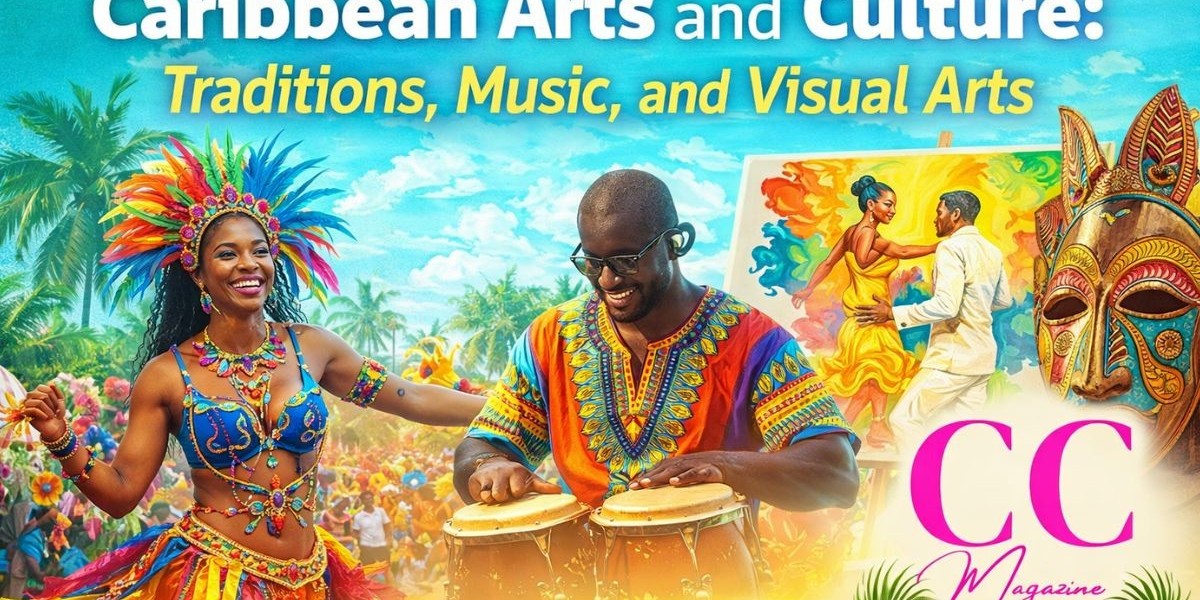

Caribbean Arts and Culture is one of the most dynamic and layered cultural systems in the world. Shaped by Indigenous heritage, African ancestry, European colonial influence, and Asian migration, the Caribbean has developed artistic traditions that are both deeply historical and constantly evolving. From community rituals and festivals to globally influential music and powerful visual storytelling, Caribbean Arts and Culture reflects resilience, identity, and creative resistance.
Rather than existing as static traditions, Caribbean arts function as living practices. They respond to social change, political struggle, and contemporary realities while remaining grounded in ancestral memory. This blend of continuity and innovation defines Caribbean Arts and Culture and explains its global appeal.
Cultural Traditions in Caribbean Society
Cultural traditions form the foundation of Caribbean Arts and Culture. Across the islands and coastal territories, storytelling, oral history, dance, spiritual practices, and communal celebrations serve as essential tools for preserving identity. These traditions were especially important during the colonial period, when enslaved and oppressed communities used art as a form of survival and resistance.
Carnival celebrations are among the most visible expressions of Caribbean cultural traditions. These festivals combine music, dance, costume design, performance, and street theater into immersive artistic experiences. Carnival is not simply entertainment; it is social commentary, historical remembrance, and cultural pride expressed through art.
Folklore also plays a central role in Caribbean Arts and Culture. Stories of trickster figures, ancestral spirits, and heroic resistance have been passed down through generations. These narratives influence modern literature, theater, and visual art, ensuring that traditional knowledge remains relevant.
Traditional crafts such as basket weaving, pottery, wood carving, textile production, and mask-making continue to thrive. These art forms reflect practical skill, spiritual symbolism, and aesthetic innovation. They also serve as economic lifelines for many communities, connecting culture to sustainable livelihoods.
Music as the Heartbeat of Caribbean Arts and Culture
Music is arguably the most globally recognized element of Caribbean Arts and Culture. Caribbean musical traditions are built on rhythm, call-and-response structures, and layered percussion, drawing heavily from African musical systems while incorporating European and Indigenous influences.
Genres such as reggae, calypso, soca, dancehall, salsa, merengue, and zouk have shaped popular music worldwide. These styles emerged from specific social contexts, often addressing themes of resistance, inequality, love, migration, and spiritual faith.
Reggae, for example, developed as a voice for social justice and political consciousness. Its lyrical focus on oppression, liberation, and unity turned Caribbean music into a global vehicle for activism. Calypso and soca, on the other hand, combine humor, satire, and storytelling, using music as a platform for social critique.
Dance is inseparable from Caribbean music. Movement traditions such as Afro-Caribbean dance, salsa, and folk dance forms visually translate rhythm into physical expression. This integration of sound and motion reinforces the holistic nature of Caribbean Arts and Culture.