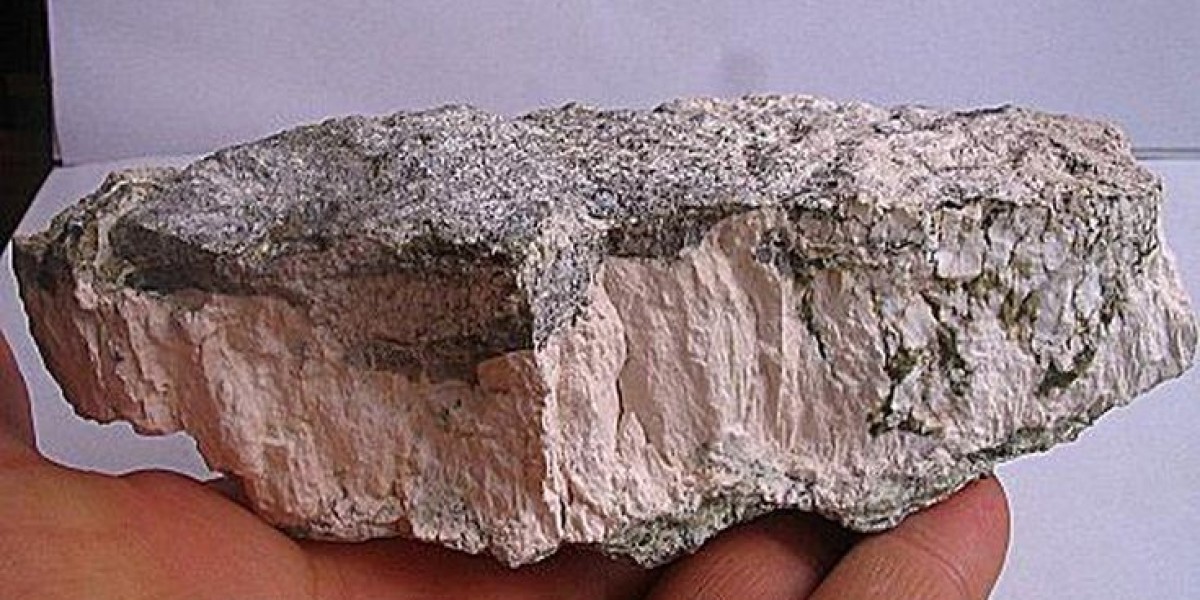

Producing magnesium carbonate minerals for commercial use involves more than simple extraction. The value of the final product depends heavily on processing methods, purification steps, and quality control systems that ensure consistency and performance. These factors shape not only product quality but also cost structures and competitive positioning within the market.
Raw material sourcing is the first critical step. The characteristics of the mined material influence downstream processing requirements, energy consumption, and yield. Efficient beneficiation and refining processes help remove impurities, control particle size, and achieve the specifications required for different applications. For high-purity uses, such as pharmaceuticals or food processing, additional steps may be necessary, increasing both complexity and cost.
The Magnesium Carbonate Minerals Market is therefore strongly influenced by how well producers manage these operational challenges. Companies that achieve stable yields, low waste, and consistent quality can compete more effectively, even in price-sensitive segments. Over time, incremental improvements in processing efficiency can create meaningful cost advantages.
Energy usage and environmental controls are also important considerations. Mineral processing can be energy-intensive, and regulatory requirements related to emissions, waste, and workplace safety continue to tighten in many regions. Investments in more efficient equipment, cleaner technologies, and better monitoring systems can improve compliance while also reducing long-term operating costs.
Competitive dynamics informed by Magnesium Carbonate Minerals Market Share analysis highlight how operational efficiency translates into market positioning. Producers with lower cost structures or more reliable quality often gain share in volume-driven segments, while those with advanced processing capabilities may focus on higher-margin specialty grades.
Workforce skills and process discipline also contribute to performance. Skilled operators and engineers are better able to optimize production parameters, reduce downtime, and maintain consistent output. Continuous improvement programs and data-driven monitoring support steady gains in efficiency and quality.
From the customer’s perspective, efficient production shows up as stable pricing, reliable supply, and fewer quality issues. These benefits strengthen long-term relationships and reduce the total cost of ownership for downstream users.
In summary, production and processing efficiency are central to competitiveness in this market. Companies that combine technical expertise with disciplined operations are better positioned to meet diverse customer needs while maintaining healthy margins.