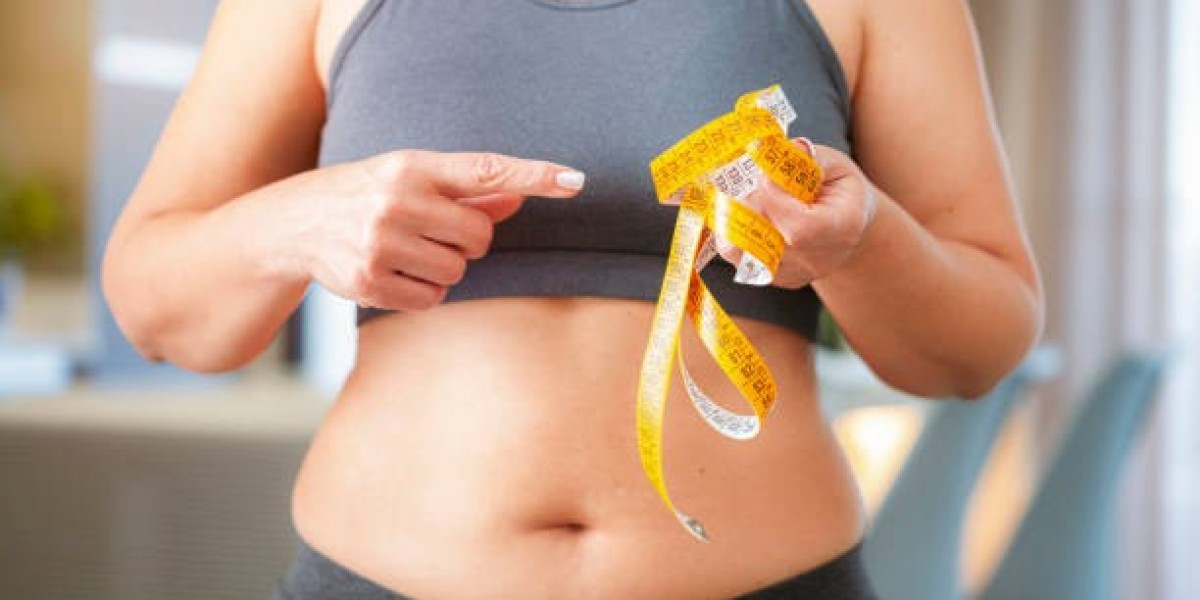

For individuals who have achieved the monumental goal of significant weight loss, the presence of redundant skin can feel like a final, frustrating hurdle. While the weight is gone, the "skin envelope" remains stretched, often hiding the muscular definition earned through months of hard work. A Tummy Tuck in Dubai is the clinical solution to this "post-bariatric" or post-weight loss reality. In clinical settings, we observe that this surgery serves as the "closing chapter" of a weight loss journey, providing the structural tightening that nature cannot achieve on its own. However, setting realistic expectations regarding the transformation, the scarring, and the biological limits of the surgery is essential for long-term satisfaction.
The Biological Reality of "Deflated" Skin
When a person loses a massive amount of weight, the elastic fibers in the dermis are often damaged beyond repair. This results in skin that hangs rather than retracting.
The Panniculus: This is the clinical term for the "apron" of skin that hangs over the pubic area. A tummy tuck is the only way to surgically excise this tissue.
Tissue Quality: After weight loss, skin is often thinner and less vascular. In clinical settings, we adjust our surgical technique to ensure that the blood supply to the newly pulled skin remains robust.
Circumferential Laxity: Massive weight loss usually affects the entire torso, not just the front. While a standard tummy tuck addresses the abdomen, some patients may eventually require an "Extended Tummy Tuck" to address the sides and lower back.
Residual Fat: Even at a "goal weight," small pockets of stubborn subcutaneous fat often remain within the skin folds; these are typically addressed with integrated liposuction.
What are the Actual Pain Levels After Massive Weight Loss Surgery?
Is the pain more intense for weight loss patients?
In clinical settings, we observe that patients who have previously undergone bariatric surgery or significant weight loss often have a higher "metabolic awareness" but similar pain thresholds to other patients. The initial 48 hours are the most intense, with pain typically rated at a 6/10. Because the skin is often tighter after the excision, the feeling of "pressure" may be slightly more pronounced. Based on post-procedure follow-ups, this discomfort is manageable with our standard clinical pain protocols and usually transitions to a dull ache by day four.
Real Patient Sensations: The Weight of the "Apron" Lifting
The most profound sensation reported by post-weight loss patients isn't just aesthetic—it’s the physical relief of losing the literal weight of the excess skin.
What does the body feel like after the skin is removed?
Immediately after a Tummy Tuck in Dubai, patients often describe a feeling of being "light." The chronic pulling sensation on the lower back caused by a heavy skin apron disappears instantly. In clinical settings, we find that by week three, as the initial swelling subsides, patients report a "connectedness" to their core. For the first time, they can feel their abdominal muscles engaging during simple movements like walking or standing, a sensation that was previously muffled by the redundant tissue.
Realistic Expectations: The Trade-off Between Scars and Contours
Will I have a "perfect" stomach after the procedure?
It is a clinical reality that weight loss patients often require longer incisions to achieve a smooth result.
The Scar: To remove a large amount of skin, the scar must often extend further toward the hips or back. We inform patients that a "longer scar for a flatter stomach" is a common and worthwhile trade-off.
The "Boxy" Look: If a patient only has a tummy tuck without addressing the hips, the result can look "square." We often recommend combining the tuck with flank liposuction to ensure a balanced, contoured waistline.
Internal Healing: The "final" result takes time. Because weight loss alters the body's lymphatic system, swelling can persist slightly longer—up to 6 to 9 months—before the tissue fully softens.
Who is the Ideal Post-Weight Loss Candidate?
When is it safe to have a Tummy Tuck in Dubai after losing weight?
Clinical safety hinges on stability. We advise patients to meet the following criteria before surgery:
Stable Weight: You must have maintained your goal weight for at least 6 months. Fluctuations can compromise the surgical result.
Nutritional Optimization: Significant weight loss can sometimes lead to vitamin deficiencies (especially after gastric bypass). We require a blood panel to ensure your protein and iron levels are optimal for wound healing.
BMI Benchmarks: While we work with post-weight loss patients, a BMI under 30 significantly reduces the risk of wound infections and "fat necrosis."
Why Choose Tajmeels Clinic for Post-Weight Loss Restoration?
At Tajmeels Clinic, we view post-weight loss surgery as a specialized field of reconstructive aesthetics. We don't just "cut and sew"; we rebuild. Our surgeons are experts in managing the unique tissue quality of weight-loss patients, utilizing "high-tension" internal suturing to provide the most durable result possible. We offer a dedicated "Nutritional Support" consultation prior to surgery to ensure your body has the raw materials needed to heal the large incision sites. By choosing Tajmeels Clinic, you are choosing a partner who understands that a Tummy Tuck in Dubai is the final, hard-earned reward for your dedication to your health.
Genuine Patient Perspectives
"I lost 60kg, but I still felt 'fat' because of all the loose skin. The surgery at Tajmeels changed how I saw myself. I used to have to tuck my skin into my jeans; now, I can wear a fitted shirt with confidence. The scar is a small price to pay for the freedom I feel now." — Omar
"I was worried that my stomach would never be flat because the skin was so stretched out. The doctors at Tajmeels were very honest about what was possible. The result is better than I imagined. I can actually see the muscles I worked so hard for in the gym." — Clara
Frequently Asked Questions
Will insurance cover my tummy tuck if it's after massive weight loss?
Usually, insurance only covers a "Panniculectomy" (skin removal without muscle repair) if the skin fold is causing chronic infections or rashes. A full tummy tuck is typically considered cosmetic.
Can I get a tummy tuck if I still have 10kg to lose?
In clinical settings, we recommend reaching your goal first. Losing weight after the surgery can lead to more loose skin, requiring a revision.
How much skin is actually removed?
It varies, but for massive weight loss patients, it is common to remove between 1kg and 4kg of pure skin and underlying tissue.
What is the risk of "seromas" in weight loss patients?
Because there is more space under the skin after a large excision, the risk of fluid buildup is slightly higher. We manage this with surgical drains and strict compression.
How long do I stay in the hospital?
For extensive weight loss cases, we usually recommend one to two nights of clinical observation to monitor fluid balance and mobility.
Will my belly button look normal?
Yes. Our surgeons specialize in "Neoumbilicoplasty," creating a natural-looking navel even when significant skin is moved.