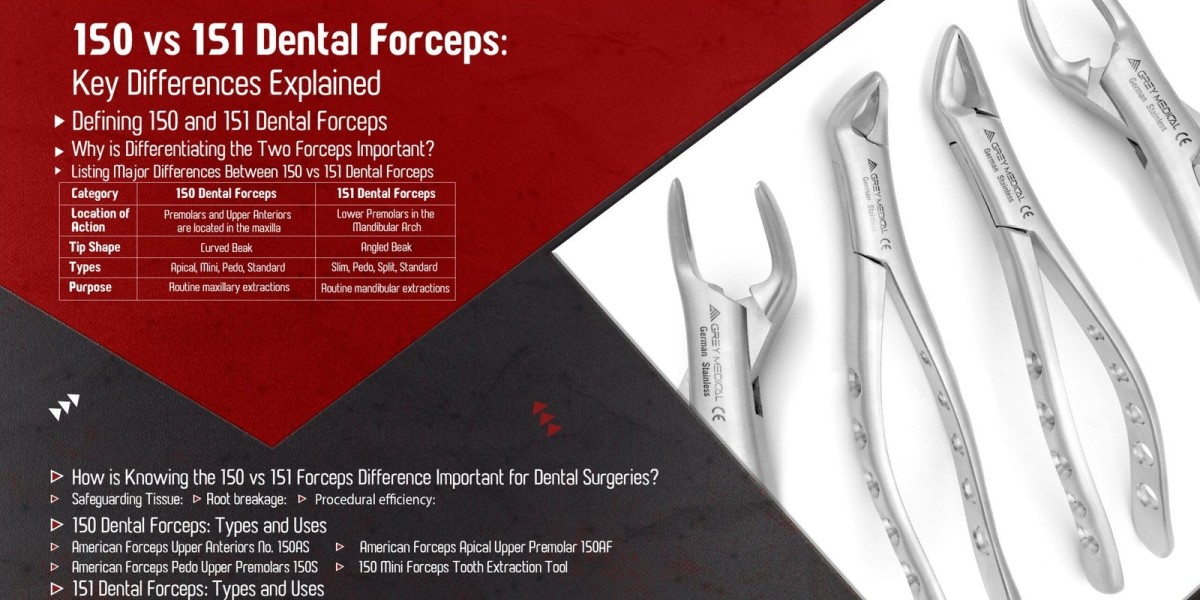

Dentistry is an art form that relies heavily on the quality of the instruments used. For oral surgeons and general dentists alike, having reliable tools can mean the difference between a smooth extraction and a complicated procedure. Among the standard setup for extractions, few instruments are as recognizable or as frequently utilized as the 151 dental forceps. This tool serves as a staple in dental offices worldwide, specifically designed to handle the unique challenges of removing lower teeth.

Functionality and Design Features
The primary function of this instrument centers on the removal of mandibular molars. Unlike their counterparts designed for the upper arch, these forceps feature handles and beaks curved to accommodate the lower jaw's anatomy. The beak design typically includes pointed tips that fit snugly into the bifurcation of the molar roots, allowing for a firm grip and optimal leverage during luxation. When a dentist reaches for the 151 dental forceps, they are looking for a universal solution that provides access to both the left and right sides of the mandible.
The ergonomics of the instrument play a significant role in its effectiveness. The downward curve allows the operator to maintain a comfortable wrist position while applying the necessary apical pressure. This design minimizes the physical strain on the dentist while maximizing the force transfer to the periodontal ligament. The universal nature of the design means that a single instrument can often suffice for multiple extraction sites on the lower arch, streamlining the surgical tray setup.
The Importance of Manufacturing Excellence
Sourcing high-quality instruments is just as critical as knowing how to use them. This is where companies like GreyMedical® stand out in the marketplace. As a privately owned medical technology company, GreyMedical® dedicates itself to innovation and excellence in the craft of surgical instruments. Their commitment ensures that professionals have access to tools that are not only durable but also precision-engineered for the delicate work involved in oral surgery. When manufacturers prioritize craftsmanship, the resulting 151 dental forceps offer superior balance and tactile feedback, reducing hand fatigue for the clinician.
Mechanics of a Successful Extraction
Effective use requires understanding the mechanics of the extraction. The instrument is designed to apply force in a specific manner, usually involving apical pressure followed by buccal and lingual movements. Because the 151 dental forceps act as a lever and wedge, the quality of the steel and the hinge mechanism is vital. Poorly made instruments can slip or break under pressure, leading to root fractures or trauma to the surrounding tissue. High-grade stainless steel ensures the beak maintains its edge and grip over hundreds of sterilization cycles.
Precision in the hinge joint is another marker of quality. A joint that is too loose causes the beaks to misalign, while one that is too stiff makes the instrument difficult to manipulate during a procedure. Manufacturers committed to excellence ensure that every instrument leaves the factory with a hinge that offers smooth, consistent action. This attention to detail allows the practitioner to focus entirely on the patient rather than fighting with their equipment.
Care and Longevity of Surgical Tools
Longevity of surgical inventory depends on proper care. While the 151 dental forceps are built for resilience, they require routine inspection. Hinges should remain loose enough for easy manipulation but tight enough to prevent wobbling. Regular lubrication after sterilization helps maintain this balance. Investing in instruments from reputable innovators like GreyMedical® often results in a longer lifespan for the tool, providing better value over time compared to cheaper alternatives that degrade quickly.
Cleaning protocols also impact the life of the medical instrument. Debris left in the hinge or on the serrated beaks can cause corrosion or mechanical failure. Thorough cleaning followed by proper autoclave procedures ensures the steel remains pristine. High-quality surgical steel is resistant to rust and pitting, but only when treated with the appropriate care. A well-maintained instrument serves as a reliable extension of the dentist's hand for years.
Elevating Standard of Care
Successful dental outcomes rely on the synergy between skilled hands and exceptional tools. Whether you are setting up a new practice or upgrading your current surgical kit, prioritizing quality is essential. By choosing instruments backed by a dedication to excellence, you ensure that every procedure is performed with the highest standard of care.