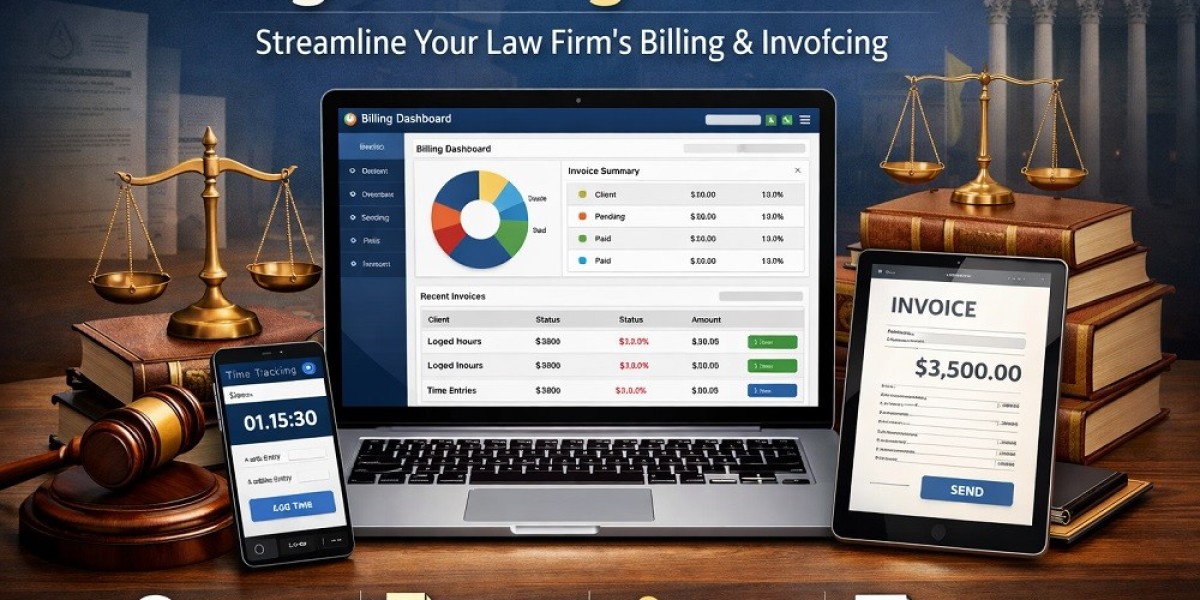

Choosing the right legal billing software is one of the most important operational decisions a small or mid-sized law firm can make. Billing impacts cash flow, client trust, compliance, and attorney productivity—yet many firms still rely on spreadsheets or outdated systems that create friction instead of efficiency.
This guide is designed to help firm leaders make a confident, informed choice. Drawing on real-world use cases and best practices, we’ll walk through what to look for, what to avoid, and how to align legal billing software with the realities of growing firms.
Why Legal Billing Software Matters for Growing Firms
As firms scale beyond a handful of matters, billing complexity increases quickly. Multiple fee structures, trust accounting requirements, and client billing preferences can overwhelm manual processes.
Modern legal billing software helps firms:
Reduce billing errors and write-offs
Get invoices out faster and improve cash flow
Ensure compliance with legal accounting rules
Deliver transparent, professional billing experiences to clients
For small and mid-sized firms operating with lean staff, the right software acts as a force multiplier—saving time without sacrificing accuracy.
Key Features to Look for in Legal Billing Software
1. Flexible Billing Options
Your billing software should support the way your firm actually works. Look for tools that handle:
Hourly billing with customizable rates
Flat fees and contingency arrangements
Split billing across matters or attorneys
LEDES and other client-required formats
Real-world example: A five-attorney firm handling both litigation and advisory work often needs to combine hourly billing for court matters with flat fees for contract reviews. Flexible billing avoids the need for workarounds.
2. Time Tracking That Attorneys Will Actually Use
Time capture is only effective if it’s easy. The best legal billing software offers:
One-click timers
Mobile and remote access
Automatic time capture from emails or calendars
When time entry is frictionless, firms capture more billable hours—without pushing attorneys to work longer.
3. Trust Accounting and Compliance Support
For firms handling client funds, trust accounting isn’t optional—it’s regulated. Your software should clearly separate operating and trust accounts, provide audit trails, and reduce the risk of commingling funds.
This is an area where general accounting tools often fall short, making legal-specific billing software essential.
Usability: The Hidden Cost of “Powerful” Software
Many firms assume more features equal better value. In reality, overly complex systems often lead to poor adoption and underutilization.
When evaluating legal billing software, ask:
Can non-technical staff use it confidently?
How long does onboarding realistically take?
Is customer support responsive and knowledgeable?
Actionable tip: Ask vendors for a live demo using real firm scenarios—not generic walkthroughs. This quickly reveals usability gaps.
Cloud-Based vs. On-Premise Solutions
Most small and mid-sized firms now favor cloud-based legal billing software for good reason:
Advantages of cloud-based platforms:
Lower upfront costs
Automatic updates and security patches
Secure access from anywhere
For firms with remote attorneys or hybrid operations, cloud access is no longer a “nice to have”—it’s essential.
Integration with Practice Management Tools
Billing doesn’t exist in a vacuum. The most effective legal billing software integrates smoothly with:
Matter management
Document management
Accounting and payment processing
Integrated systems reduce duplicate data entry, minimize errors, and give firm leaders clearer visibility into financial performance.
Cost Considerations and ROI
Price matters—but it shouldn’t be the only factor. When evaluating cost, consider:
Monthly subscription vs. per-user pricing
Implementation and training costs
Time saved on billing and collections
Real-world insight: Firms often recoup the cost of legal billing software within months through faster invoicing, fewer write-offs, and improved realization rates.
Making the Final Decision with Confidence
Selecting legal billing software isn’t about finding the “best” platform—it’s about finding the right fit for your firm’s size, practice areas, and growth goals.
Before committing:
Involve attorneys and billing staff in evaluations
Test workflows with real matters
Verify data security and compliance standards
A thoughtful selection process ensures your billing system supports—not constrains—your firm’s future.
Final Thoughts
For small and mid-sized firms, the right legal billing software is more than an administrative tool—it’s a strategic asset. By prioritizing usability, compliance, and real-world functionality, firms can streamline operations, strengthen client trust, and build a more sustainable practice.