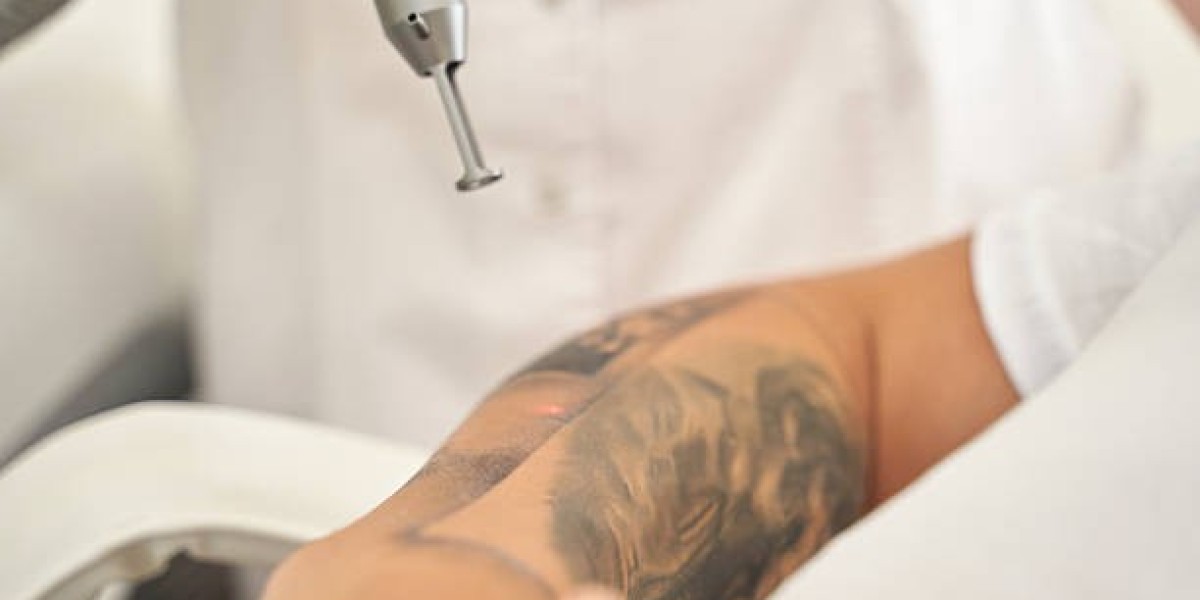
In Riyadh, Laser Tattoo Removal in Riyadh has gained significant attention due to its ability to target specific tattoo pigments with precision. Modern laser devices emit concentrated light pulses that break down ink particles, which are then naturally eliminated by the body. Clinics offering tattoo riyadh services often utilize different types of lasers, such as Q-switched Nd:YAG or picosecond lasers, depending on the color, age, and depth of the tattoo. The choice of laser wavelength, pulse duration, and energy settings plays a critical role in determining the speed and effectiveness of the removal process.
Key Laser Parameters That Impact Effectiveness
The success of tattoo removal heavily depends on understanding the main laser parameters. Wavelength is perhaps the most critical factor, as different colors absorb different light spectrums. Pulse duration determines how quickly energy is delivered, with shorter pulses generally providing better fragmentation of ink particles. Fluence, or energy density, must be carefully adjusted for each session to optimize clearance while reducing the risk of scarring. Professionals in Riyadh emphasize tailoring these parameters to each patient’s tattoo characteristics to ensure the safest and most effective outcome.
Tattoo Color and Ink Composition
Different tattoo pigments react uniquely to laser treatments. Black ink tends to respond most readily because it absorbs a wide range of wavelengths efficiently, while colors like green, yellow, or blue may require specialized lasers or additional sessions. The age of the tattoo also influences removal effectiveness; older tattoos often fade more easily, whereas newer or heavily saturated tattoos may require higher energy settings and more sessions.
Skin Type Considerations
Skin type plays a major role in the laser removal process. Lighter skin tones generally achieve faster clearance with minimal risk, while darker skin tones may require careful energy adjustment to avoid hyperpigmentation or hypopigmentation. Laser specialists in Riyadh carefully evaluate each patient’s skin tone and tattoo characteristics to create a personalized treatment plan that maximizes results while minimizing complications.
Recovery and Aftercare
Post-treatment care is crucial for optimal healing and effective removal. Patients are typically advised to keep the treated area clean, avoid sun exposure, and follow specific instructions provided by their laser specialist. Proper aftercare not only supports skin recovery but also enhances the overall effectiveness of the tattoo removal process. Maintaining realistic expectations regarding the number of sessions required is important, as multiple sessions are often necessary for complete clearance.
Consultation and Professional Guidance
For individuals considering Laser Tattoo Removal in Riyadh, consulting an experienced clinic like Enfield Royal Clinic is highly recommended. During a consultation, specialists evaluate the tattoo’s size, color, and placement, as well as the patient’s skin type and medical history. They can then recommend the appropriate laser parameters, outline the expected number of sessions, and provide guidance on aftercare practices to ensure the best possible results.
Frequently Asked Questions
What types of tattoos can be removed with laser treatment?
Laser tattoo removal can target most inked designs, but black and dark blue inks typically respond fastest. Colored tattoos may require specific lasers and additional sessions.
Is laser tattoo removal painful?
Pain levels vary depending on the tattoo’s size, location, and the laser used. Many patients describe a sensation similar to snapping rubber bands against the skin, and topical numbing agents are often applied to minimize discomfort.
How many sessions are usually needed for complete removal?
The number of sessions depends on factors such as tattoo color, ink depth, size, and age. Most tattoos require multiple sessions spaced several weeks apart to allow proper skin healing and ink clearance.
Are there risks or side effects?
While laser tattoo removal is generally safe, potential side effects include temporary redness, swelling, blistering, or minor pigment changes. Selecting a qualified clinic in Riyadh significantly reduces these risks.










