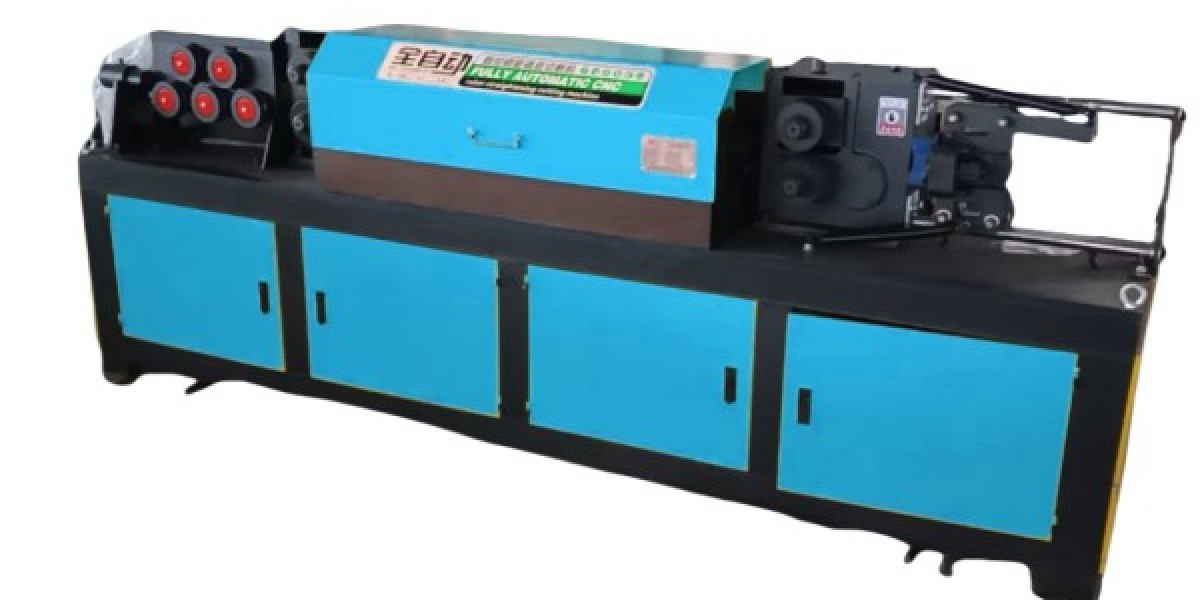

In modern construction and steel fabrication, the quality of reinforcement steel plays a vital role in the strength and durability of concrete structures. Rebars are often delivered in coils or with bends that make them unsuitable for direct use. Straightening these bars manually is inefficient, time-consuming, and prone to inconsistencies. A professional rebar straightener offers an advanced solution that ensures precision, speed, and consistent output for construction sites and rebar processing facilities.
One of the key benefits of a rebar straightener is its ability to deliver uniform straightness with high accuracy. Manually straightened rebars often retain slight bends or irregularities that can affect placement and structural performance. An automated rebar straightener uses controlled rollers and advanced mechanisms to straighten steel bars precisely, ensuring they meet strict construction and engineering standards. Using a rebar straightener guarantees consistent results across every batch, regardless of rebar size or quantity.
Efficiency is another major advantage. Traditional straightening methods require significant manual labor and slow down project timelines, especially on large-scale construction projects. A rebar straightener dramatically increases processing speed by handling continuous straightening operations with minimal operator involvement. This allows construction companies and steel fabrication workshops to process high volumes of rebar quickly, reducing delays and improving overall workflow efficiency.
Versatility is essential in today’s construction environment, and a rebar straightener is designed to handle different rebar diameters with ease. Whether working with light or heavy reinforcement steel, the machine adapts to varying specifications without compromising performance. This flexibility makes a rebar straightener suitable for a wide range of applications, including residential construction, commercial buildings, bridges, and infrastructure projects.
Material efficiency is another important factor. Improper straightening often leads to wasted steel and costly rework. Automated straightening ensures each bar is processed correctly the first time, minimizing scrap and optimizing material usage. By reducing waste, a rebar straightener helps companies lower operational costs while supporting more sustainable construction practices.
Workplace safety is a critical consideration in steel processing. Manual handling of bent rebar exposes workers to risks such as strain injuries, cuts, and accidents. A rebar straightener significantly reduces direct contact with steel bars, creating a safer and more controlled working environment. Operators can manage the straightening process efficiently, improving safety standards while maintaining high productivity.
Durability and reliability make this equipment a valuable long-term investment. Built with robust components and engineered for continuous industrial use, a rebar straightener delivers stable performance even under demanding conditions. Its low maintenance requirements and long service life ensure dependable operation and a strong return on investment for construction companies and steel processing facilities.
In conclusion, the rebar straightener is an essential tool for modern construction and rebar processing. By combining precision, efficiency, versatility, safety, and durability, it enables businesses to enhance steel quality, improve productivity, and deliver stronger, more reliable concrete structures.