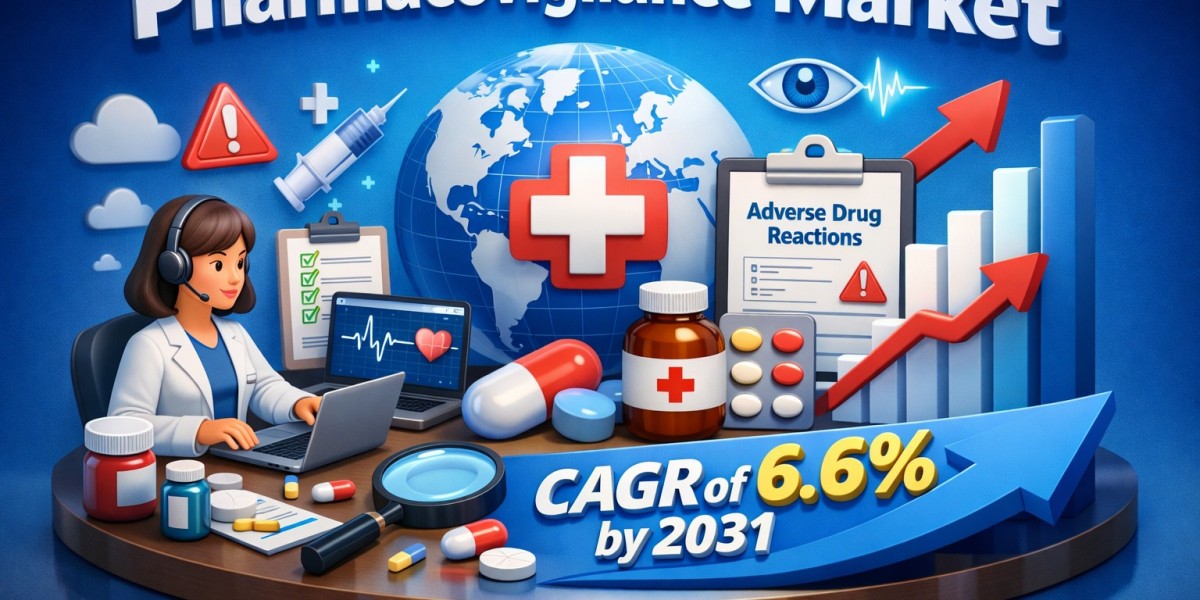

Pharmacovigilance is evolving as a key pillar in modern healthcare, leveraging advanced technologies like AI and machine learning to enhance drug safety monitoring. It ensures that adverse effects are detected and addressed swiftly, minimizing risks and maximizing the therapeutic benefits of drugs. As medicine becomes more personalized, pharmacovigilance continues to adapt, integrating real-world data and genetic information to provide more tailored, proactive safety measures.
Market Overview
The Pharmacovigilance Market is expected to register a CAGR of 6.6% from 2025 to 2031
The pharmacovigilance market is experiencing steady growth, driven by increasing regulatory requirements, rising drug development activities, and advancements in AI and automation technologies. With a growing focus on patient safety, the market is expanding as pharmaceutical companies and healthcare providers adopt more sophisticated systems to monitor, assess, and manage adverse drug reactions. The rise of personalized medicine and biologics further fuels the demand for specialized pharmacovigilance solutions.
Driving Factors:
- Regulatory Compliance: The increasing implementation of strict regulations aimed at ensuring drug safety is a key factor driving the pharmacovigilance market. Regulatory bodies across the globe require rigorous monitoring of adverse drug reactions (ADR), making pharmacovigilance essential in maintaining drug safety.
- Rising Drug Development: The growing number of drugs in development and approvals, particularly in the biologics and biosimilars sectors, necessitates robust pharmacovigilance systems. With increased drug production, there is a greater need for systematic monitoring of adverse effects during clinical trials and post-market surveillance.
- Technological Advancements: The rise of Artificial Intelligence (AI) and machine learning (ML) technologies has significantly impacted pharmacovigilance processes. Automation, including signal detection and data mining, is helping improve efficiency and accuracy in detecting drug-related issues, thereby driving market growth.
Market Trends:
- AI and Automation in Drug Safety: As the adoption of AI and automation increases, pharmacovigilance workflows are becoming more efficient. AI-based solutions are utilized for signal detection, case processing, and ADR reporting. This trend is revolutionizing the drug safety process, providing both speed and accuracy.
- Focus on Risk Management: Companies are now emphasizing comprehensive risk management strategies, which includes utilizing risk management plans to proactively address safety issues. The aim is to ensure a better understanding of drug safety and reduce the occurrence of adverse events.
- Real-World Data (RWD) Utilization: The use of real-world data, such as data from electronic health records (EHR), patient registries, and social media platforms, is becoming more common in pharmacovigilance. Leveraging this data helps companies gain a better understanding of how drugs perform in real-world settings, making it easier to detect adverse events post-market.
Download Sample PDF: https://www.theinsightpartners.com/sample/TIPRE00003127
Growth Opportunities:
- Predictive Analytics: Predictive analytics plays a major role in forecasting potential safety issues related to drugs. By predicting possible ADRs before they occur, pharmaceutical companies can address safety concerns proactively and ensure that patients are protected.
- Integration with Personalized Medicine: With the rise of precision medicine, pharmacovigilance systems are expected to integrate genetic data to monitor how drugs perform in individuals based on their genetic makeup. This presents an opportunity for more personalized and safer drug therapies.
- Biologics and Biosimilars: The increasing approval of biologics and biosimilars offers an opportunity for specialized pharmacovigilance services. These complex drugs require advanced pharmacovigilance systems to ensure patient safety and manage their unique safety profiles.
Key Market Players:
- Accenture
- Bristol-Myers Squibb Company
- Linical Accelovance
- Cognizant
- Covance Inc.
- F. Hoffmann-La Roche Ltd.
- GlaxoSmithKline plc.
- ICON plc
- Capgemini (IGATE Corporation)
Future Outlook:
The pharmacovigilance market is set for substantial growth in the coming years. As pharmaceutical companies focus more on patient safety, there will be a greater need for enhanced pharmacovigilance systems to monitor adverse drug reactions. The incorporation of AI, machine learning, and real-world data will further shape the market, making it more efficient and reliable. With a significant increase in drug approvals, particularly in biologics and biosimilars, the demand for specialized pharmacovigilance solutions will continue to rise, driving future market growth.
Frequently Asked Questions (FAQs):
1. What is pharmacovigilance?
Pharmacovigilance involves the detection, assessment, and prevention of adverse effects related to drugs, ensuring patient safety through continuous monitoring and reporting.
2. Why is pharmacovigilance important in drug development?
Pharmacovigilance is essential in identifying potential safety issues during clinical trials and post-market surveillance, helping prevent adverse drug reactions that could harm patients.
3. How is AI transforming pharmacovigilance?
AI technologies enable faster and more accurate drug safety monitoring by automating data analysis, signal detection, and adverse event reporting, thereby improving efficiency and accuracy in pharmacovigilance processes.
This pharmacovigilance market is expected to thrive as safety concerns rise and technology-driven solutions continue to improve processes, leading to greater efficiency and better patient outcomes in the future.
Related Report
Aesthetic Fillers and Exosomes Market Size, Trends & Forecast 2025-2031