
Surgical procedures often conjure images of high-tech lasers and robotic arms, yet some of the most effective techniques rely on refined versions of ancient tools. The chisel, a tool commonly associated with carpentry or sculpture, holds a vital place in the medical field. When adapted for medical use, these instruments allow surgeons to perform delicate bone reshaping with incredible accuracy. This practice, often referred to as chisel surgery, plays a critical role in various medical disciplines, ranging from plastic surgery to complex orthopedics.
Defining the Procedure and Tools
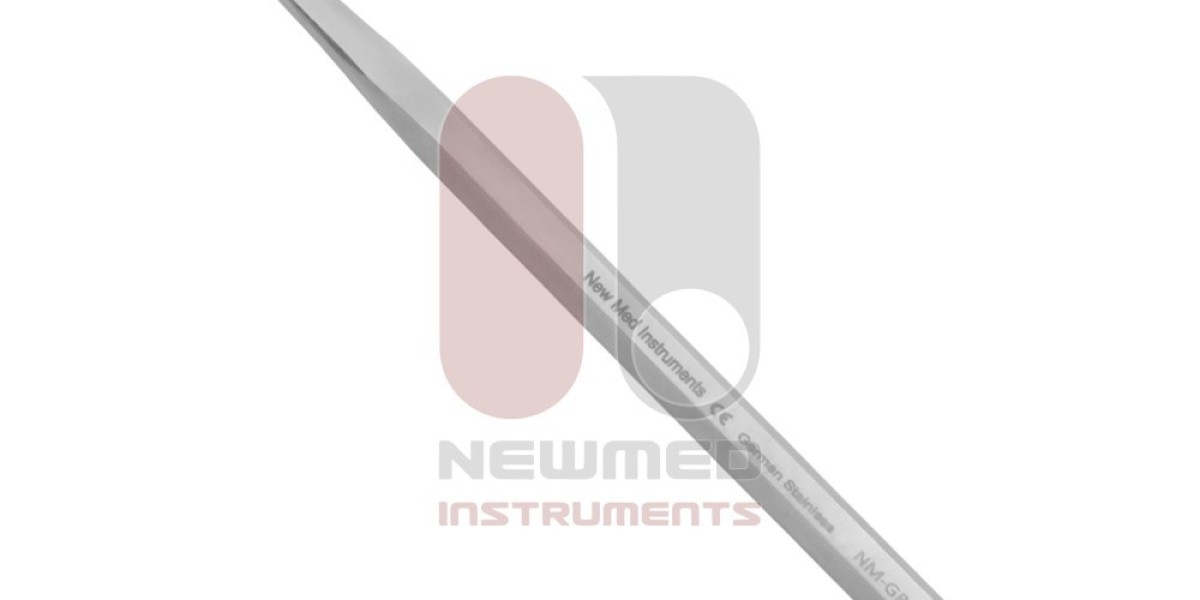
The term might sound crude to the uninitiated, but the reality is far more sophisticated. In a medical context, the "chisel" is typically an osteotome. These are precision-engineered surgical instruments designed to cut or prepare bone. Unlike their workshop counterparts, surgical chisels are made from high-grade medical steel and come in various sizes and shapes to suit specific anatomical needs. Chisel surgery involves the careful manipulation of these instruments to remove bone spurs, reshape skeletal structures, or perform osteotomies, which is the cutting of bone to shorten or lengthen it or to change its alignment.
The Role in Rhinoplasty
One of the most common applications of this technique is in rhinoplasty, or nose reshaping surgery. Surgeons frequently use osteotomes to remove a dorsal hump or to narrow the width of the nasal bridge. The precision of the tool allows the surgeon to separate the nasal bones from the underlying structures without causing unnecessary damage to the surrounding soft tissue. This level of control is essential for achieving natural-looking aesthetic results. A successful rhinoplasty depends heavily on the surgeon's ability to perform chisel surgery with a steady hand and an artistic eye.
Utility in Orthopedics and Reconstructive Surgery
Beyond cosmetic applications, these instruments are indispensable in orthopedic surgery. When a patient suffers from a fracture that heals improperly, or when bone growths cause pain and limited mobility, surgeons use chisels to correct the issue. They allow for the removal of excess bone or the reshaping of joints to restore normal function. In reconstructive surgeries, such as those following trauma or tumor removal, chisel surgery is often required to harvest bone grafts from one part of the body to repair another. This versatility makes the osteotome a staple in operating rooms worldwide.
The Importance of High-Quality Instruments
The success of any surgical procedure relies heavily on the quality of the instruments used. A dull or poorly balanced osteotome can lead to splintering bone, increased trauma, and longer recovery times for the patient. Surgeons, students, and healthcare professionals globally rely on manufacturers like New Med Instruments to provide top-tier surgical tools. Their commitment to quality ensures that the steel maintains its edge and durability through repeated sterilization and use. Using reliable instruments reduces the physical strain on the surgeon and increases the likelihood of a positive surgical outcome during chisel surgery.
Modern Techniques and Patient Recovery
While powered saws and drills are available, many surgeons still prefer the manual feedback provided by a chisel and mallet. This tactile connection allows the surgeon to feel the density of the bone and adjust their force accordingly. This manual approach often results in less heat generation compared to powered instruments, which can preserve bone health and promote faster healing. As medical technology advances, the fundamental skills required for chisel surgery remain a cornerstone of surgical training. Mastering these manual techniques ensures that surgeons can handle delicate bone work even when powered alternatives are not suitable.
Moving Forward with Precision
The evolution of surgical instrumentation continues to improve patient care, but the need for manual precision remains constant. Whether it is refining the profile of a nose or restoring the function of a knee joint, the osteotome is an essential tool in the surgeon's kit. As aspiring surgeons learn the craft and seasoned professionals refine their skills, the demand for high-quality instruments from trusted providers like New Med Instruments will continue to grow. Ultimately, chisel surgery represents the perfect blend of medical science and manual artistry, proving that sometimes the most effective solutions are refined versions of the simplest tools.