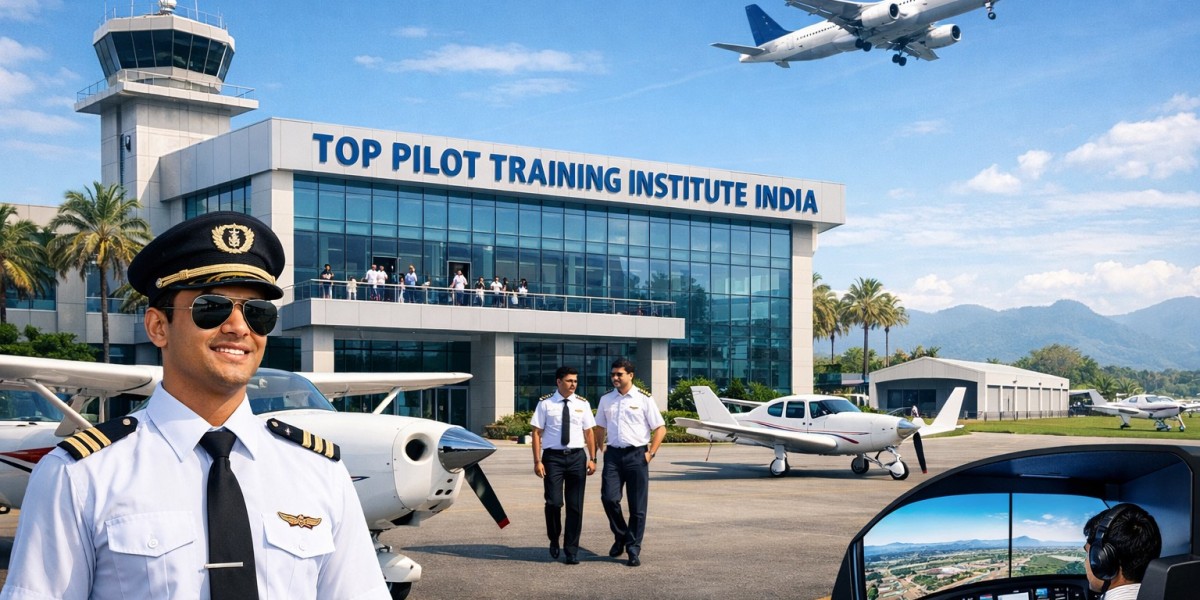

India is home to several reputed flying academies approved by the Directorate General of Civil Aviation (DGCA), the governing authority responsible for regulating civil aviation in the country. These institutes offer structured training programs, including ground school, simulator sessions, and real flight training that prepare students for obtaining a Commercial Pilot License (CPL).
Why Choosing the Right Pilot Training Institute Matters
The journey to becoming a pilot requires significant investment—both financially and in terms of time. A well-established institute provides quality training, experienced instructors, modern aircraft, and well-maintained infrastructure. The best pilot school in India ensures that students receive comprehensive theoretical knowledge along with extensive flying hours, preparing them to handle real-world aviation challenges.
Top institutes focus on:
- DGCA-approved curriculum
- Experienced and certified flight instructors
- Advanced flight simulators
- Modern training aircraft fleet
- Strong safety standards
- High student success rate
When you enroll in the best flying school in India, you gain not just technical skills but also discipline, decision-making ability, and professionalism that airlines value highly.
Key Features of a Top Pilot Training Institute in India
1. DGCA Approval and Accreditation
A credible institute must be approved by the Directorate General of Civil Aviation. DGCA approval ensures that the training program meets national aviation standards and that the CPL issued is valid for airline recruitment.
2. Modern Aircraft Fleet
The quality and condition of aircraft play a vital role in pilot training. Top institutes maintain a fleet of well-serviced single-engine and multi-engine aircraft, ensuring consistent flight availability and minimal delays in training schedules.
3. Experienced Faculty
Highly qualified instructors with thousands of flying hours bring real-world insights into the classroom. Their guidance helps students understand both technical concepts and operational procedures thoroughly.
4. Advanced Flight Simulators
Simulators help students practice emergency handling, navigation, and instrument flying in a safe and controlled environment. The best institutes invest in high-end simulation technology to enhance training quality.
5. Structured Ground School Training
Ground school subjects include Air Navigation, Aviation Meteorology, Air Regulations, Technical General, and Technical Specific. Strong theoretical knowledge is essential for clearing DGCA exams and becoming a competent pilot.
Course Structure and Training Process
The training process at the best pilot training institute in India typically follows these stages:
- Student Pilot License (SPL) – The first step where students begin basic flying training.
- Private Pilot License (PPL) – After completing required flying hours and passing exams.
- Commercial Pilot License (CPL) – Requires a minimum of 200 flying hours along with DGCA exam clearance.
- Multi-Engine Rating – Training on multi-engine aircraft.
- Instrument Rating (IR) – Enables pilots to fly under instrument flight rules (IFR).
The entire process generally takes 18–24 months, depending on weather conditions, aircraft availability, and individual progress.
Infrastructure and Campus Facilities
The best pilot school in India provides state-of-the-art classrooms, aviation labs, briefing rooms, and access to digital learning resources. Many institutes are located near operational airports, offering real-time exposure to aviation environments. Some academies also provide hostel facilities, cafeteria services, and career counseling support.
Career Opportunities After Training
Graduates from the best flying school in India have excellent career prospects. After obtaining a CPL, candidates can apply to domestic airlines such as IndiGo, Air India, and SpiceJet. Many also pursue opportunities with international carriers, charter companies, and cargo airlines.
With the aviation sector projected to grow rapidly in the coming years, trained pilots are expected to remain in high demand. Additionally, pilots enjoy attractive salary packages, global exposure, and career growth opportunities.
Cost of Pilot Training in India
Pilot training is a significant financial investment. The total cost for CPL training in India typically ranges between ₹35 lakh to ₹55 lakh, depending on the institute, aircraft type, and additional ratings. While the cost may seem high, choosing the best pilot training institute in India ensures value for money through quality education, safety standards, and better placement opportunities.
Many institutes also assist students with education loan guidance and financial planning support.
Safety and Maintenance Standards
Safety is paramount in aviation. The best pilot school in India follows strict safety protocols, regular aircraft maintenance checks, and standard operating procedures. Regular inspections by the Directorate General of Civil Aviation ensure compliance with aviation norms.
Institutes that prioritize safety build student confidence and create a professional training environment essential for future airline pilots.
Placement Assistance and Industry Connections
Top institutes maintain strong connections with airlines and aviation organizations. Some offer placement assistance programs, interview preparation, group discussion training, and personality development sessions. These additional services give students a competitive edge during airline selection processes.
Choosing the best flying school in India means gaining access to mentorship, alumni networks, and industry exposure that can significantly impact your career trajectory.
Qualities of a Successful Pilot
Beyond technical skills, a pilot must possess:
- Strong communication skills
- Quick decision-making ability
- Emotional stability
- Leadership qualities
- Excellent situational awareness
Reputed training institutes focus on personality development alongside flying training to prepare students for airline assessments and cockpit responsibilities.
The aviation industry in India is witnessing remarkable growth, making this the perfect time to pursue a career in flying. However, the foundation of a successful pilot career lies in choosing the right training institute. Enrolling in the best pilot training institute in India ensures high-quality instruction, modern infrastructure, and better career opportunities.
A well-recognized best pilot school in India not only prepares you to clear DGCA exams but also builds the confidence and expertise needed to handle real-world aviation challenges. Likewise, the best flying school in India provides structured training, experienced mentorship, and industry exposure that shape aspiring aviators into competent professionals.
If you are passionate about flying and determined to build a rewarding career in aviation, start by researching DGCA-approved institutes, comparing infrastructure, faculty experience, fleet strength, and student reviews. With the right guidance and commitment, your dream of becoming a commercial pilot can truly take flight.