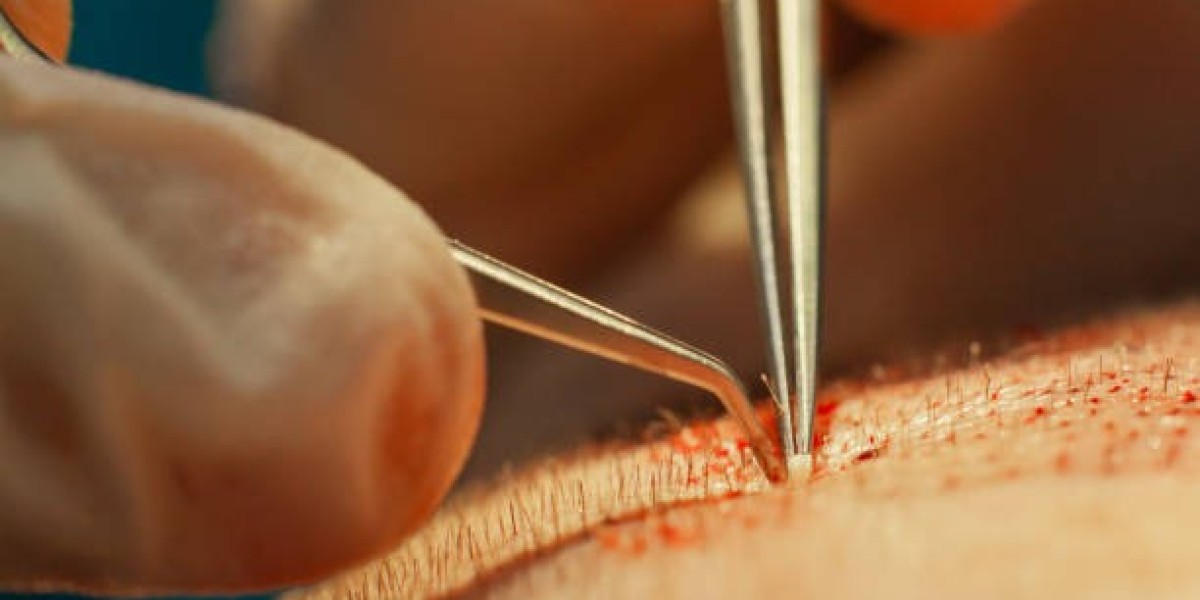

For many patients exploring hair restoration, the FUSS Hair Transplant in Dubai (Follicular Unit Strip Surgery) represents the most efficient path to significant density. Often favored for its high graft-survival rates and cost-effectiveness, this procedure involves the strategic relocation of hair-bearing tissue to areas of thinning. Unlike more automated methods, the "Strip Method" relies on microscopic precision to ensure that every harvested follicle is healthy and ready for implantation.
In clinical settings, we observe that patients are most concerned with the logistical "three pillars": how the procedure is performed, the reality of the healing phase, and the overall investment required. This guide provides a grounded, medical overview of these essentials to help you make an informed decision.
The Procedure: What Happens During Surgery?
The clinical journey of a FUSS Hair Transplant in Dubai is a meticulous, multi-stage process that typically lasts between 4 and 8 hours depending on the graft count.
How is the "Strip" harvested and implanted?
The surgery is divided into three distinct clinical phases:
Tissue Extraction: A narrow strip of skin is removed from the donor area. The wound is then closed using a "Trichophytic" technique, which allows hair to grow through the resulting fine line.
Microscopic Dissection: While the patient rests, our team uses high-powered microscopes to separate the strip into individual follicular units (1, 2, or 3 hairs each).
Site Creation and Placement: The surgeon creates thousands of tiny "recipient sites" in the balding area, carefully controlling the angle and depth. Each graft is then placed manually into these sites.
Is the Recovery Process Difficult?
What are the actual sensations during the first 14 days?
While the word "surgery" can be intimidating, the recovery after a FUSS Hair Transplant in Dubai is highly manageable with proper aftercare.
Step-by-Step Patient Sensations:
Day 1–3: You will feel a sensation of "tightness" at the back of the head. This is not sharp pain, but rather the feeling of a firm bandage. Swelling around the forehead is common.
Day 7: The "itchy" phase. As the micro-wounds in the recipient area heal, the skin may feel dry or ticklish.
Day 10–14: Suture removal. This is often the most relieving part of the process, as the removal of the stitches immediately reduces the tension in the scalp.
Month 1: The "shedding" phase. It is normal for the new hairs to fall out; the living roots remain safely anchored beneath the skin.
"The first three days were a bit uncomfortable for sleeping, but by day five, I was already working from home. Taking the stitches out was completely painless and made everything feel back to normal." — Ahmed
Safety Considerations: Who Should Be Cautious?
Are there medical risks to consider?
While FUSS is a routine clinical procedure, we prioritize safety by evaluating patients for:
Scalp Laxity: Patients with very tight scalp skin may not be candidates for FUSS, as the incision needs a degree of flexibility to close without tension.
Wound Healing Issues: If you have a history of hypertrophic scarring or poorly controlled diabetes, we may recommend alternative treatments to ensure safe skin closure.
Blood Pressure Management: High blood pressure must be controlled prior to surgery to minimize the risk of bleeding during the harvesting phase.
Comparison: FUSS vs. FUE Financial and Recovery Data
| Feature | FUSS (Strip Method) | FUE (Individual Extraction) |
| Graft Yield | Maximum (up to 4,000+) | Moderate (usually 2,500 per day) |
| Cost per Graft | Typically Lower | Typically Higher |
| Downtime | 10–14 days (for stitches) | 5–7 days (for redness) |
| Graft Survival | Very High (95%+) | High (90%+) |
Understanding the Cost in Dubai
What factors influence the final price?
The cost of a FUSS Hair Transplant in Dubai is not a "one size fits all" figure. It is calculated based on:
Total Graft Count: The more hair required to reach your goals, the longer the clinical team must work.
Case Complexity: Reconstructive work or covering scar tissue requires specialized surgical time.
Surgeon Expertise: Senior practitioners with decades of experience in microscopic dissection may command higher fees due to their precision and lower transection rates.
"I chose FUSS because it offered the most hair for my budget. I needed a lot of coverage, and the 'Strip' method allowed the clinic to move 3,500 grafts in one go without the high cost of FUE." — Daniel
FAQs:
Why is FUSS often cheaper than FUE?
FUSS is more time-efficient for the surgeon. Since thousands of hairs are harvested in one strip rather than individually, the surgical time is reduced, which lowers the clinical overhead.
When can I cut my hair after the procedure?
You should wait at least 3 weeks before your first haircut. We recommend keeping the hair slightly longer at the back (Grade 4 or higher) to completely hide the healing donor line.
Is the cost of follow-ups included?
At most reputable clinics, the initial post-operative washes and the stitch removal visit are included in the primary surgical fee.
How long do the results last?
The results are permanent. The hair taken from the "safe zone" at the back of the head is genetically programmed to grow for a lifetime.
Why Choose Tajmeels Clinic?
At Tajmeels Clinic, we bridge the gap between affordability and surgical excellence. Our approach to FUSS Hair Transplant in Dubai is defined by "Precision Dissection"—using high-definition microscopes to ensure that every follicular unit is preserved with its protective tissue intact. We provide a professional, transparent environment where the cost is clearly explained and the recovery is supported by a dedicated medical team. Our goal is to provide a high-density, permanent result that respects both your aesthetic goals and your clinical safety.