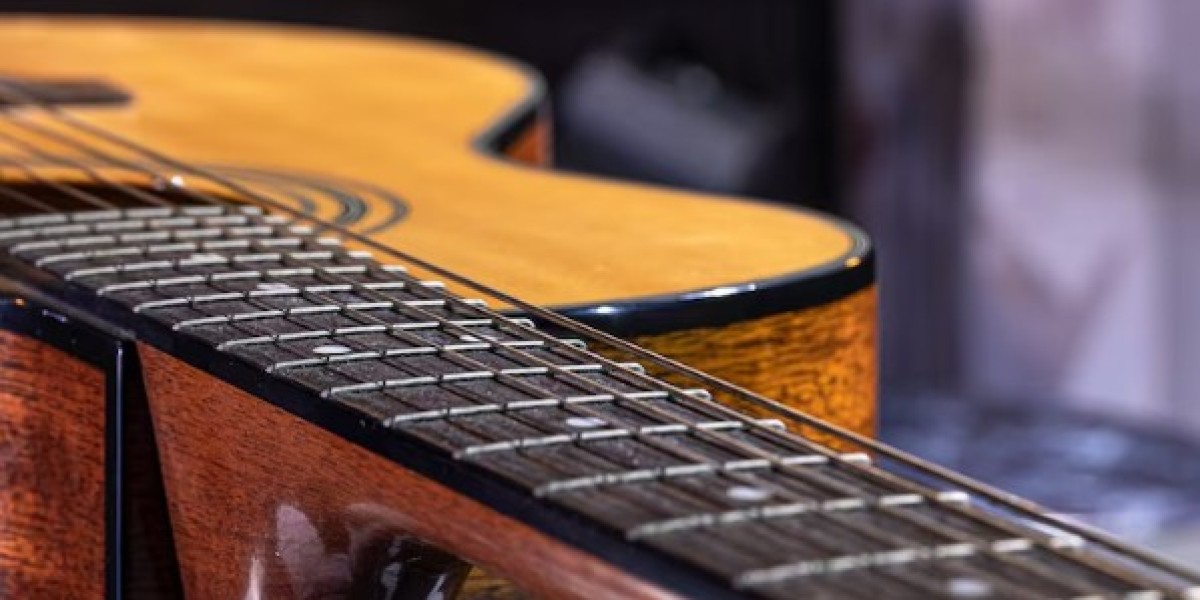

In the realm of stringed instruments, few manage to capture both the imagination and the ear quite like the 12 string Acoustic Auditorium harp guitar. This distinctive instrument combines the warmth of a traditional acoustic guitar with the ethereal resonance of additional harp-like strings, creating a soundscape that is both rich and complex. Musicians and enthusiasts alike are drawn to this hybrid instrument for its versatility and its ability to inspire creativity across multiple genres.
The 12 string Acoustic Auditorium harp guitar is unique in design, featuring the standard twelve strings that give it a full, harmonic tone. But what sets it apart is the additional set of harp strings, often floating above the guitar’s body, which can be plucked to produce shimmering overtones and sympathetic vibrations. This combination allows performers to layer melodies, harmonics, and rhythm simultaneously, opening up new avenues for solo performances and ensemble work alike.
The Craftsmanship Behind the 12 String Acoustic Harp Guitar
Creating a 12 string Acoustic harp guitar is a meticulous process that blends traditional guitar-making techniques with innovative design. Luthiers carefully select tonewoods that enhance resonance and sustain, often pairing spruce or cedar tops with mahogany or rosewood backs and sides. The shape of the auditorium body is also crucial: it provides a balanced tonal response that supports both the deep bass notes of the main strings and the higher, delicate tones of the harp strings.
Each harp string must be precisely tensioned and positioned to harmonize with the twelve standard strings. The result is an instrument that feels like a single, cohesive entity, rather than two separate instruments combined. Players often describe the experience of playing a 12 string Acoustic harp guitar as immersive, almost orchestral, because of the rich layers of sound it produces.
Musical Applications and Genres
The versatility of the 12 string Acoustic Auditorium harp guitar allows it to fit into a wide range of musical genres. Fingerstyle guitarists, in particular, find it invaluable, as the additional harp strings enable intricate arpeggios and cascading harmonics that would be difficult to achieve on a standard guitar. Folk musicians appreciate its warm, resonant tones, while classical players are drawn to its ability to sustain long, expressive phrases.
In contemporary music, the 12 string Acoustic harp guitar is often featured in recordings and live performances where an ethereal, layered sound is desired. Its harmonic richness adds depth to solo performances, but it also blends beautifully with other instruments, providing a shimmering backdrop for vocals or ensemble arrangements. This adaptability makes it an attractive choice for musicians looking to expand their sonic palette.
Techniques for Playing the Harp Guitar
Playing a 12 string Acoustic harp guitar requires both patience and technique. Because of its extended range and extra strings, musicians must develop new strategies for finger placement and string muting. Many players adopt hybrid picking methods, using fingers and a pick simultaneously to articulate both the main guitar strings and the harp strings.