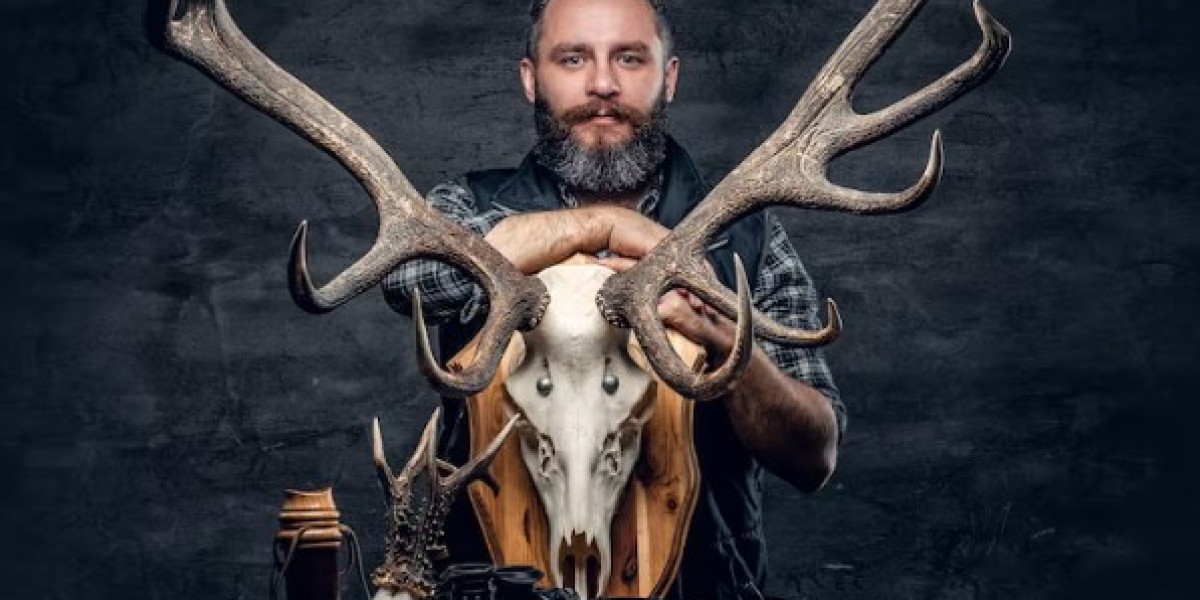

Hunting has long been connected to tradition, respect for wildlife, and the preservation of memories. For many outdoor enthusiasts, displaying a trophy is not just about recognition—it is about honoring the experience. One of the most popular and visually striking ways to preserve that memory is through a Deer Skull Mount. Unlike full shoulder mounts, skull mounts offer a minimalist yet powerful representation of the animal, combining rustic beauty with craftsmanship. Behind every carefully prepared mount are skilled Taxidermists who transform a raw skull into a clean, artistic display piece.
A Deer Skull Mount, often referred to as a European mount, focuses on preserving the skull and antlers without the hide. This style emphasizes the natural structure of the bone and highlights the antlers’ symmetry and size. Many hunters prefer this option because it is timeless, versatile, and fits seamlessly into a variety of décor styles—from rustic cabins to modern homes.
Why Hunters Choose a Deer Skull Mount
There are several reasons why a Deer Skull Mount has grown in popularity over the years. First, it offers a clean and sophisticated aesthetic. The bright white skull contrasts beautifully with dark-stained wood plaques or metal brackets, creating an eye-catching display. Second, it requires less wall space compared to traditional shoulder mounts. For hunters who harvest multiple deer over the years, skull mounts provide a consistent and space-efficient way to showcase their achievements.
Another advantage is cost. While full-body and shoulder mounts involve complex processes with hide preservation, sculpting, and positioning, skull mounts focus on bone preparation and finishing. As a result, they are often more affordable, making them accessible to a broader range of hunters.
Most importantly, a Deer Skull Mount preserves the integrity of the antlers. Since antlers are a key element in measuring a deer’s maturity and trophy value, highlighting them without distraction is appealing to many outdoor enthusiasts.
The Skill Behind the Craft
Although a skull mount may appear simple at first glance, the process requires patience, knowledge, and precision. This is where professional Taxidermists play a vital role. Cleaning and preparing a deer skull is not as easy as removing tissue and letting it dry. Proper techniques must be used to ensure the bone remains intact, odor-free, and naturally colored.
The process typically begins with careful skinning and removal of as much flesh as possible. After that, Taxidermists often use methods such as simmering or maceration to remove remaining tissue without damaging the delicate bone structure. The skull must then be degreased thoroughly to prevent discoloration over time. Finally, whitening techniques are applied to achieve the bright, clean look most people associate with a Deer Skull Mount.
Each step must be performed correctly. Overheating can crack the bone, while improper chemical use can weaken it. Skilled professionals understand how to balance temperature, timing, and materials to preserve every detail.
Customization and Presentation
One of the most exciting aspects of a Deer Skull Mount is the ability to customize its presentation. While some prefer a simple wall-mounted display, others opt for decorative plaques, metal brackets, or pedestal mounts. Wooden plaques are available in various shapes, finishes, and engravings, allowing hunters to add personal details such as the date, location, or name of the hunt.
Taxidermists often work closely with clients to determine the best presentation style. Some hunters want a rustic barnwood plaque for a cabin setting, while others prefer sleek, modern designs. Creative mounting angles—such as upright, tilted, or even suspended mounts—can also enhance the visual impact.
In recent years, artistic skull mounts have become more common. Some people incorporate subtle paint accents, camouflage patterns, or decorative elements that reflect their personality. However, many still favor the traditional, natural bone finish that honors the authenticity of the animal.
Respect for the Animal
A Deer Skull Mount is more than a decoration; it represents respect for the animal and the hunting tradition. Ethical hunters understand the importance of utilizing and honoring wildlife responsibly. Preserving the skull serves as a reminder of the experience, the preparation, and the connection to nature.
Professional Taxidermists share this respect. Their work requires not only technical skill but also an appreciation for wildlife anatomy and preservation. They approach each project with care, recognizing that every mount carries personal significance for the client.
Caring for a Skull Mount
Once completed, a Deer Skull Mount requires minimal maintenance compared to other types of taxidermy. However, proper care ensures it remains in excellent condition for years to come. Keeping the mount out of direct sunlight prevents yellowing. Occasional dusting with a soft brush or cloth helps maintain its clean appearance.
Humidity control is also important. Excess moisture can affect both the skull and any wooden plaque used in the display. By placing the mount in a stable indoor environment, owners can preserve its quality long term.
If discoloration occurs over time, experienced Taxidermists can often restore the skull through professional cleaning and touch-up treatments.
Choosing the Right Professional
Selecting skilled Taxidermists is crucial to achieving a high-quality result. Experience, attention to detail, and knowledge of bone preparation techniques make a significant difference in the final appearance. A properly prepared skull should be free of grease stains, cracks, or lingering odors.
Communication is equally important. A reputable professional will explain the process, timeline, and customization options. They will also provide guidance on field care before the skull is delivered. Proper handling immediately after harvest—such as keeping the head cool and avoiding unnecessary damage—helps ensure the best outcome.
Many hunters build long-term relationships with their preferred Taxidermists, trusting them with multiple trophies over the years. Consistency in craftsmanship ensures a uniform display collection.
A Growing Trend in Modern Décor
Beyond hunting circles, the Deer Skull Mount has found its place in interior design. Its natural symmetry and organic structure make it a striking focal point in rustic, western, and even contemporary spaces. Designers appreciate its clean lines and neutral color palette, which complement a wide range of materials such as wood, leather, and stone.
This crossover appeal has increased demand for professional skull preparation. As interest grows, Taxidermists continue refining their techniques to meet both traditional and modern expectations.
Preserving Memories for Generations
For many families, hunting traditions are passed down from generation to generation. A carefully crafted Deer Skull Mount can become a cherished heirloom, telling a story that lasts far beyond the original hunt. It may represent a first deer, a record-breaking harvest, or a meaningful trip shared with loved ones.
The craftsmanship of skilled Taxidermists ensures these memories are preserved with dignity and precision. Their work transforms natural elements into lasting tributes that celebrate both wildlife and personal achievement.
In the end, a Deer Skull Mount is not merely a display piece. It is a symbol of experience, respect, and artistry. With the expertise of dedicated Taxidermists, hunters can preserve their achievements in a way that is both timeless and meaningful.