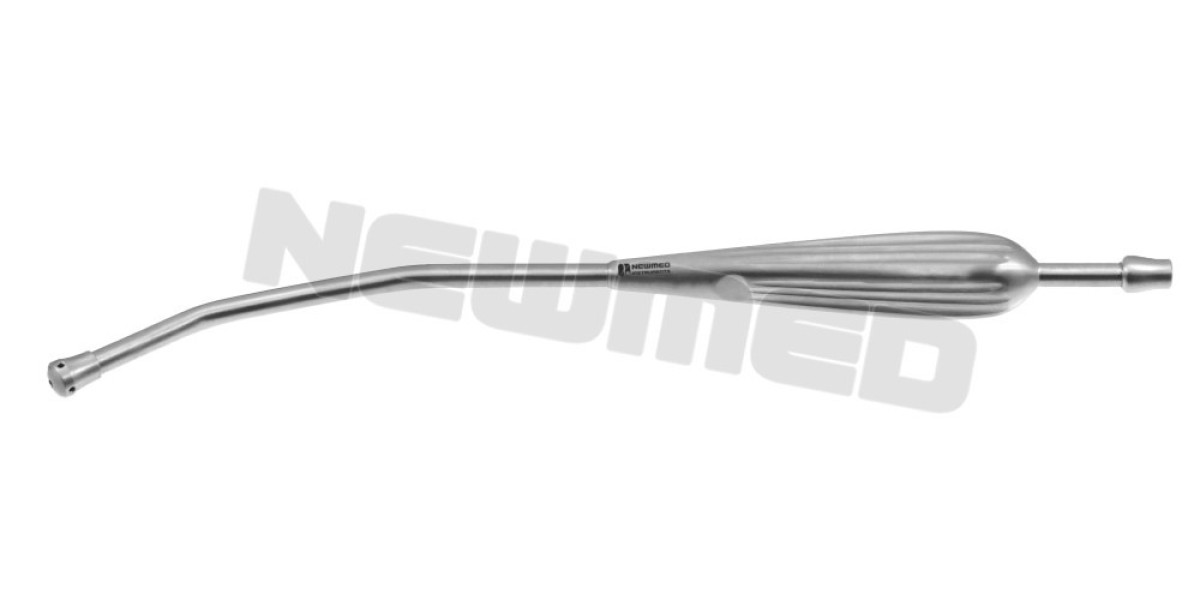

In the high-stakes environment of an operating room, clarity and precision are not just goals; they are absolute necessities. Every instrument plays a critical role in achieving a successful patient outcome. Among the most ubiquitous and indispensable tools is the yankauer suction tube. This device is fundamental for maintaining a clear surgical field, allowing surgeons to operate with an unobstructed view. Its simple design belies its profound importance in a vast array of medical procedures.
For surgeons, students, and healthcare professionals who demand excellence, understanding the nuances of tools like the Yankauer is crucial. The effectiveness of a procedure can often hinge on the quality and reliability of the instruments used. At New Med Instruments, we recognize that superior patient care starts with superior tools, which is why we are dedicated to providing instruments that meet the highest standards of performance and precision. This commitment ensures that healthcare providers have the reliable equipment they need to perform at their best.
What is a Yankauer Suction Tube?
The Yankauer suction tube is a rigid, hollow medical instrument used to remove bodily fluids, debris, and smoke from the surgical site or airway. It was developed by Dr. Sidney Yankauer in 1907. The device typically features a firm plastic or metal tube with a large, bulbous tip containing one or more holes. This design allows for effective suction without causing significant trauma to surrounding tissues.
The primary function of this tool is to provide a clear field of vision for the surgical team. Whether during an open-heart procedure or a routine tonsillectomy, maintaining visibility is paramount for safety and accuracy. The yankauer suction is connected to a source of suction via flexible tubing, enabling the efficient removal of blood, saliva, and other fluids that could obscure the surgeon's view. Its ergonomic handle allows for comfortable and controlled manipulation throughout a procedure.
The Design and Its Advantages
The design of the yankauer suction tip is a masterclass in medical engineering. The rounded, bulbous head is specifically crafted to prevent tissue damage. Unlike a straight-tipped suction device that could inadvertently aspirate or damage delicate membranes, the Yankauer's design allows it to be placed directly against tissue with minimal risk. The large openings facilitate the rapid removal of thick fluids and particulate matter, which is essential in emergencies or procedures with significant bleeding.
Another key advantage is its rigidity. The firm structure allows the instrument to be used for retraction, gently pushing tissue aside to improve access and visibility. This dual functionality makes it an incredibly versatile tool in the hands of a skilled practitioner. The transparent plastic versions also offer the added benefit of allowing the user to see the fluid being aspirated, which can provide valuable diagnostic information during the procedure.
Applications Across Medical Specialties
The use of the Yankauer suction tube spans numerous medical fields. In general surgery, it is a staple for nearly every procedure, clearing the way for precise incisions and dissections. During orthopedic surgery, it helps remove blood and irrigation fluid, which is crucial for visualizing bone and joint structures. Oral and maxillofacial surgeons rely heavily on the yankauer suction to manage saliva and blood during procedures within the oral cavity.
Furthermore, its role extends beyond the operating room. Anesthesiologists often use it to clear a patient's airway of secretions before, during, and after intubation. In emergency medicine and critical care settings, it is an essential tool for managing the airways of unconscious or compromised patients. This wide range of applications underscores its status as a fundamental piece of medical equipment.
The Importance of Quality and Sterilization
Given its critical function, the quality of a Yankauer suction tube cannot be compromised. A poorly manufactured device could break during a procedure, posing a significant risk to the patient. Inferior materials might not withstand the rigors of use or the sterilization process, leading to equipment failure at a critical moment. For healthcare professionals, sourcing instruments from a trusted provider is not a matter of preference but a professional obligation.
New Med Instruments is committed to providing surgical tools that healthcare professionals can depend on. We understand that perfect and precise results are paramount. Our instruments are crafted from high-grade materials to ensure durability and reliability. Whether you are using a single-use disposable frazier suction or a reusable stainless steel model, the standard of quality must remain impeccable to ensure patient safety and optimal surgical outcomes. Proper cleaning and sterilization protocols for reusable models are equally important to prevent cross-contamination and infection.
Conclusion: Partnering for Precision
The Yankauer suction tube is a prime example of a simple tool that has a massive impact on patient care. Its effective design has made it an essential instrument for healthcare professionals worldwide. For surgeons, residents, and students who value precision, having access to high-quality, reliable instruments is non-negotiable.
New Med Instruments shares this dedication to excellence. We provide superior surgical instruments and unmatched service to professionals who refuse to compromise on quality. By choosing New Med Instruments, you are choosing a partner who understands the critical nature of your work and is committed to helping you achieve the best possible results for your patients. Trust in our tools to provide the reliability and performance you need to operate with confidence.










