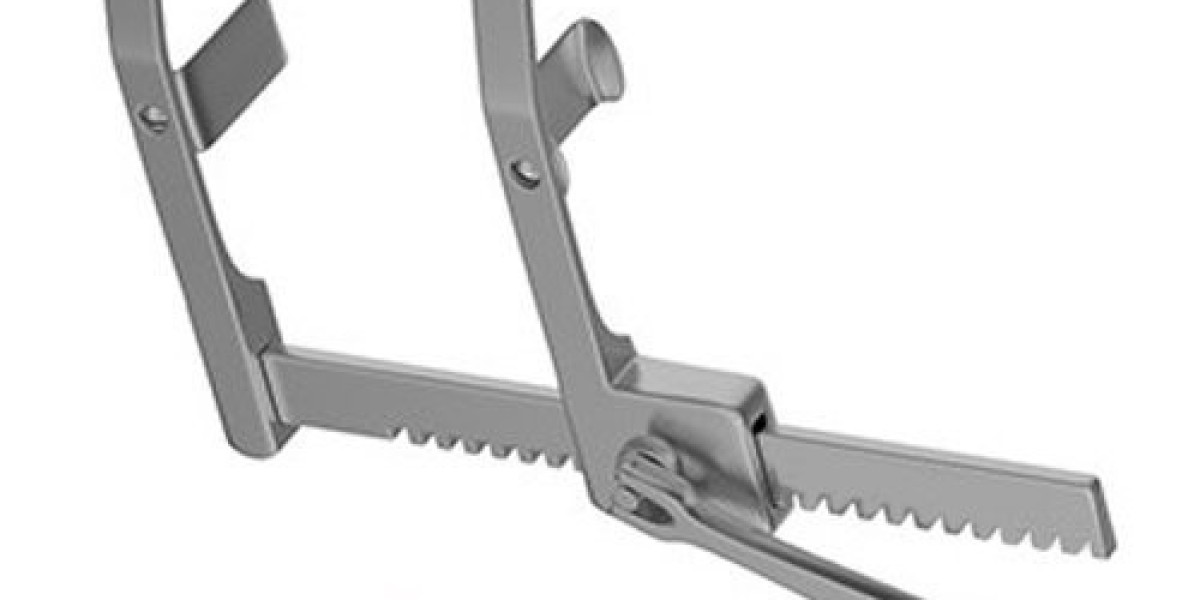

Surgical success often depends as much on visibility and access as it does on the surgeon's skill. In the complex world of thoracic and cardiovascular procedures, reliable instrumentation is the backbone of the operating room. Among the most critical tools for chest exposure is the Morse Retractor, a heavy-duty instrument designed to hold back the sternum securely. Surgeons rely on this specific device to maintain a stable operating field, allowing them to focus entirely on the delicate work required inside the chest cavity without worrying about variable exposure.
Understanding the Design and Functionality
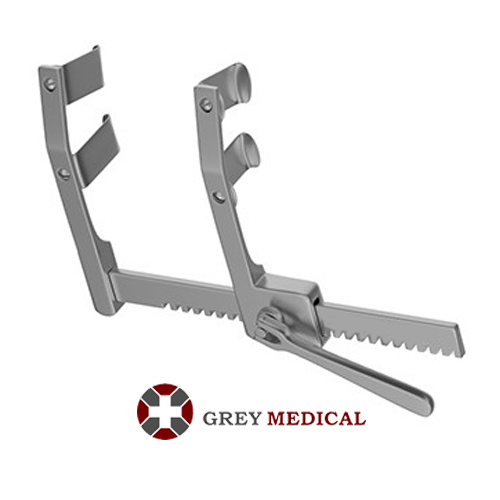
Sternal retraction requires a unique balance of immense strength and precise control. The chest wall exerts significant resistance, and the instrument responsible for holding it open must be robust enough to withstand this pressure without slipping or warping. The design of a Morse Retractor typically features four movable blades and a rack-and-pinion mechanism. This engineering allows the surgeon to spread the sternum gradually and lock the device firmly in place.
The movable arms are particularly important because they accommodate different patient anatomies. Whether the patient has a larger build or requires a specific angle of entry, the retractor adapts to the situation. This adaptability ensures that the surgical team can achieve optimal exposure of the heart and lungs, which is necessary for procedures ranging from coronary artery bypass grafting to valve replacements.
The Importance of Instrument Quality
Using high-quality steel is non-negotiable when manufacturing tools that bear such high mechanical stress. A standard zalkind ribbon retractor must resist corrosion, withstand repeated sterilization cycles, and maintain its mechanical integrity over years of use. If a retractor fails or slips during a critical moment, the consequences can be severe. This is why hospitals and surgical centers prioritize sourcing instruments from manufacturers who understand the stakes of the operating room.
GreyMedical® positions itself as a key partner in this pursuit of quality. As a privately owned medical technology company dedicated to innovation and excellence in the craft of surgical instruments, they understand that a tool is more than just metal. It is an extension of the surgeon's hands. Their commitment ensures that every piece of equipment meets rigorous standards before it ever reaches a sterile field.
Enhancing Surgical Outcomes
The primary goal of any retraction system is to minimize trauma while maximizing view. A poorly designed tool might cause rib fractures or unnecessary tissue damage due to uneven pressure distribution. Conversely, a high-quality Morse Retractor distributes force evenly across the sternum. This reduces the likelihood of post-operative complications related to the chest wall and aids in faster patient recovery. When the surgeon has confidence in the stability of the retractor, they can operate with greater speed and precision, ultimately reducing anesthesia time and improving overall patient outcomes.
Conclusion
The right instrumentation transforms difficult procedures into manageable routines. For thoracic surgeons, the Morse Retractor remains a fundamental tool that provides the necessary access to save lives. It represents the intersection of mechanical engineering and medical necessity. By choosing instruments from trusted innovators like GreyMedical®, surgical teams ensure they are equipped with tools that offer reliability, durability, and precision. Investing in superior equipment is an investment in patient safety and surgical excellence.










