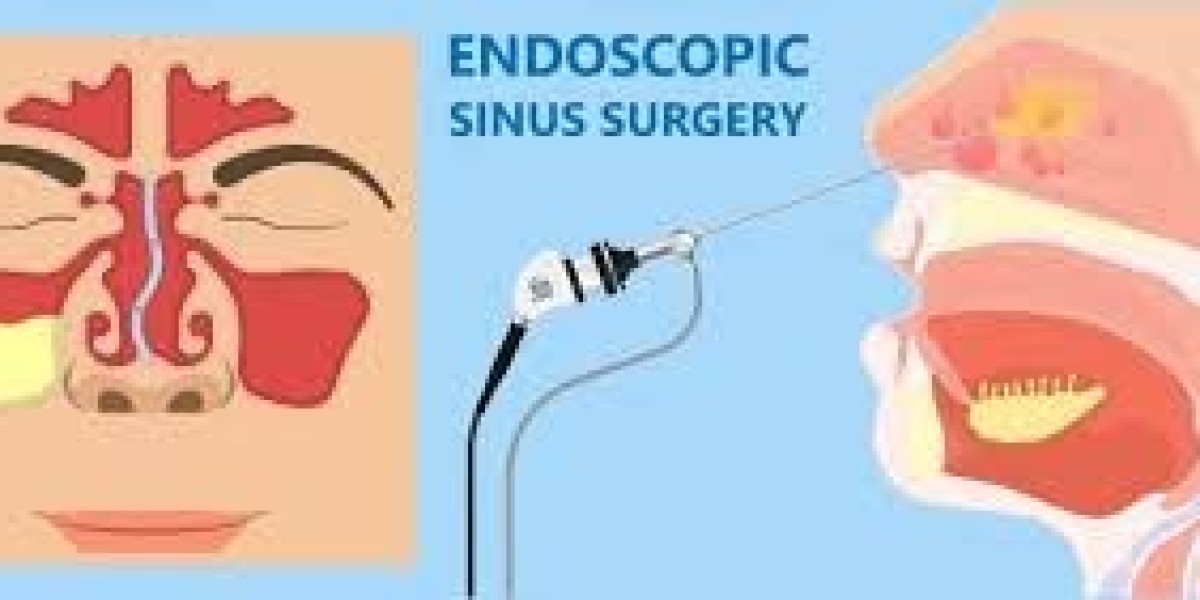

Nasal breathing plays a critical role in overall health, sleep quality, and daily comfort. When chronic nasal congestion interferes with breathing, many patients in Beverly Hills and Los Angeles discover that enlarged nasal turbinates are the underlying cause. Understanding what nasal turbinates are and why turbinate reduction surgery is sometimes recommended can help patients make informed decisions about their care.
This article explains the function of nasal turbinates, the causes of turbinate enlargement, available treatments, and when surgical intervention may be appropriate.
Understanding Nasal Turbinates
Nasal turbinates are small, curved structures located inside the nasal passages. Each side of the nose contains three turbinates — inferior, middle, and superior — covered with soft tissue and mucous membranes. Their primary role is to warm, humidify, and filter the air you breathe before it reaches the lungs.
Healthy turbinates regulate airflow and protect the respiratory system. However, when they become enlarged (a condition known as turbinate hypertrophy), they can partially block the nasal airway. This obstruction may lead to persistent congestion, difficulty breathing through the nose, snoring, and even sleep disturbances.
In busy urban environments like Los Angeles and Beverly Hills, exposure to allergens, pollution, and dry air can contribute to chronic nasal inflammation. Over time, this inflammation may cause the turbinates to remain swollen, reducing airflow and impacting quality of life.
Causes of Enlarged Nasal Turbinates
Several factors can lead to turbinate hypertrophy. The most common causes include:
Allergies: Seasonal or year-round allergies trigger inflammation in the nasal lining, causing swelling of the turbinates.
Chronic sinus infections: Repeated sinus infections can irritate the nasal tissues and lead to persistent enlargement.
Deviated septum: When the nasal septum is crooked, one side of the nose may compensate by enlarging its turbinates.
Environmental irritants: Pollution, smoke, and dry climates — common in metropolitan Los Angeles — can contribute to chronic nasal irritation.
Hormonal changes or medications: Certain hormonal fluctuations or prolonged use of nasal decongestant sprays can also affect turbinate size.
When conservative treatments fail to relieve symptoms, patients may be evaluated for turbinate reduction surgery in Los Angeles.
Symptoms of Turbinate Hypertrophy
Enlarged turbinates can cause a range of symptoms that vary in severity. Common signs include:
- Chronic nasal congestion or blockage
- Difficulty breathing through the nose
- Mouth breathing, especially during sleep
- Snoring or sleep-disordered breathing
- Frequent sinus infections
- Reduced sense of smell
- Facial pressure or discomfort
Because these symptoms overlap with other nasal conditions, a thorough evaluation by an qualified ENT specialist is essential for accurate diagnosis.
Non-Surgical Treatment Options
Before considering surgery, physicians typically recommend non-invasive treatments. These may include:
Allergy management: Antihistamines, steroid nasal sprays, or allergy immunotherapy can reduce inflammation.
Saline nasal irrigation: Regular saline rinses help keep nasal passages moist and clear.
Medication adjustments: Avoiding overuse of decongestant sprays prevents rebound swelling.
Many patients experience improvement with these approaches. However, when symptoms persist despite appropriate medical therapy, turbinate reduction may be recommended.
What Is Turbinate Reduction Surgery?
Turbinate reduction surgery is a minimally invasive procedure designed to decrease the size of enlarged turbinates while preserving their essential function. The goal is to improve airflow without compromising the nose’s ability to filter and humidify air.
Several surgical techniques are available, including:
- Radiofrequency ablation
- Submucosal resection
- Microdebrider-assisted reduction
- Laser-assisted procedures
Most procedures are performed on an outpatient basis under local or general anesthesia. Patients seeking turbinate reduction Los Angeles clinics often benefit from advanced technology and experienced surgical teams.
In many cases, turbinate reduction is combined with septoplasty to correct a deviated septum. Consulting with the best septoplasty surgeons Los Angeles has to offer ensures comprehensive evaluation and personalized treatment planning.
Benefits of Turbinate Reduction Surgery
For appropriate candidates, turbinate reduction can provide significant relief. Benefits may include:
- Improved nasal airflow
- Reduced congestion
- Better sleep quality
- Decreased snoring
- Fewer sinus infections
- Enhanced overall breathing comfort
Recovery is typically quick, with most patients returning to normal activities within a few days. Mild swelling or congestion may occur temporarily as the nose heals.
Why Patients in Beverly Hills and Los Angeles Seek Specialized Care
Residents of Beverly Hills and greater Los Angeles often seek specialized ENT and nasal surgery services due to lifestyle demands and environmental factors. Chronic exposure to allergens and pollutants can exacerbate nasal conditions, making expert evaluation essential.
Advanced medical centers in the region offer state-of-the-art diagnostic tools and surgical techniques. Access to highly trained specialists allows patients to receive tailored treatment plans that address both functional and structural concerns.
Choosing a qualified surgeon is critical. Experienced practitioners prioritize conservative approaches first and recommend surgery only when it is medically necessary and likely to improve long-term outcomes.
Is Turbinate Reduction Right for You?
Not every patient with nasal congestion requires surgery. A comprehensive evaluation typically includes a physical examination, nasal endoscopy, and discussion of medical history. Imaging studies may also be used when needed.
Ideal candidates for turbinate reduction are individuals who:
- Have chronic nasal obstruction
- Do not respond adequately to medical treatment
- Experience significant impact on daily life or sleep
- Have confirmed turbinate hypertrophy
A personalized consultation helps determine the most effective treatment strategy.
Conclusion
Nasal turbinates serve an essential protective function, but when enlarged, they can significantly impair breathing and quality of life. For patients in Beverly Hills and Los Angeles experiencing persistent nasal obstruction, turbinate reduction surgery may offer lasting relief when conservative treatments are unsuccessful.
By working with experienced ENT specialists and surgeons, patients can receive accurate diagnoses, explore all treatment options, and achieve improved nasal function through safe and effective care.
Frequently Asked Questions
1. How long does turbinate reduction surgery take?
Most turbinate reduction procedures take 20 to 45 minutes and are performed on an outpatient basis.
2. Is turbinate reduction surgery painful?
Patients typically experience minimal discomfort. Mild congestion or pressure is common during recovery but usually resolves within a few days.
3. How long is the recovery period?
Most patients return to normal activities within 2–5 days. Complete healing may take a few weeks.
4. Can turbinates grow back after surgery?
In rare cases, turbinate tissue may partially regrow, especially if underlying allergies remain untreated. Ongoing allergy management helps maintain results.
5. Is turbinate reduction often combined with septoplasty?
Yes. Many patients benefit from addressing both turbinate hypertrophy and a deviated septum in the same procedure.