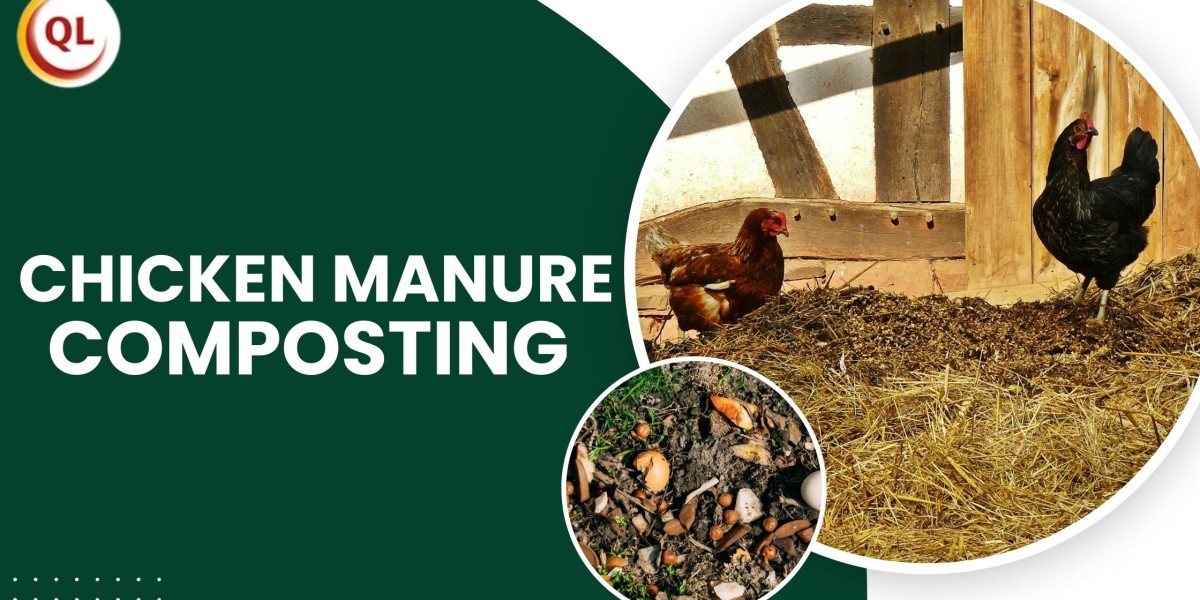

Organic farming depends on natural nutrient cycles, soil regeneration, and sustainable waste management. One of the most powerful organic resources in agriculture is chicken manure. When processed correctly, it becomes a high-quality organic fertilizer that improves soil fertility, crop yield, and long-term agricultural sustainability. This process, known as chicken manure composting, is widely used by organic fertilizer producers to transform raw waste into safe, nutrient-rich soil conditioners.
At QLFarms, we use advanced chicken manure composting methods to produce clean, stable, and eco-friendly organic fertilizers that support sustainable farming systems. This guide explains the main composting methods used by organic fertilizer producers and how they create high-quality organic fertilizers from poultry waste.
Why Chicken Manure Composting Is Essential
Raw chicken manure is rich in nutrients, but it cannot be applied directly to crops due to:
High ammonia content
Strong odor
Pathogen risk
Weed seeds
High nitrogen concentration
Soil burn risk
Chicken manure composting stabilizes nutrients, eliminates pathogens, reduces odor, and transforms waste into a safe, beneficial organic fertilizer. Composting also converts harmful compounds into plant-available nutrients while improving soil structure and microbial activity.
Nutritional Value of Composted Chicken Manure
Proper composting preserves essential nutrients such as:
Nitrogen for growth
Phosphorus for roots and flowering
Potassium for plant strength
Organic carbon for soil structure
Beneficial microorganisms for soil biology
This makes composted chicken manure a complete natural fertilizer and soil conditioner.
Traditional Windrow Composting Method
Process
Windrow composting involves piling chicken manure into long rows and turning them regularly for aeration.
Key Features
Natural microbial decomposition
Temperature control through turning
Oxygen circulation
Moisture management
Benefits
Cost-effective
Scalable
Efficient pathogen elimination
Uniform compost quality
Windrow chicken manure composting is widely used by organic fertilizer producers due to its simplicity and effectiveness.
Aerated Static Pile Composting
Process
In this method, air is forced through compost piles using pipes or blowers without frequent turning.
Key Features
Controlled oxygen flow
Stable temperature
Reduced labor
Faster composting time
Benefits
High-quality compost output
Lower odor emissions
Improved pathogen control
Consistent nutrient quality
This advanced chicken manure composting method is common in modern organic fertilizer facilities.
In-Vessel Composting Systems
Process
Composting occurs inside enclosed containers or reactors with controlled temperature, moisture, and oxygen.
Key Features
Fully controlled environment
Automated monitoring systems
Rapid composting cycles
High sanitation standards
Benefits
Fast processing
Minimal odor
High biosecurity
Consistent compost quality
Professional organic fertilizer producers use in-vessel chicken manure composting for large-scale production.
Vermicomposting (Worm Composting)
Process
Earthworms convert composted chicken manure into nutrient-rich vermicompost.
Key Features
Biological digestion
High microbial activity
Natural nutrient transformation
Benefits
High nutrient availability
Improved soil structure
Rich microbial content
Premium organic fertilizer quality
Vermicomposting is often used as a secondary process after primary chicken manure composting.
Microbial Inoculation Composting
Process
Beneficial microorganisms are added to speed up decomposition and improve compost quality.
Key Features
Enhanced microbial activity
Faster composting
Improved nutrient stability
Reduced pathogens
Benefits
High-quality organic fertilizer
Better nutrient retention
Improved soil health impact
QLFarms integrates microbial inoculation into our chicken manure composting systems to enhance fertilizer performance.
Quality Control in Composting
Professional organic fertilizer producers follow strict quality control measures:
Temperature monitoring
Moisture regulation
Pathogen elimination
Nutrient stabilization
Odor control
Safety testing
Maturity testing
These steps ensure compost safety, consistency, and effectiveness.
Benefits of Composted Chicken Manure Fertilizer
Using composted chicken manure provides multiple advantages:
Improved soil fertility
Better water retention
Increased microbial life
Reduced chemical fertilizer dependency
Higher crop yield
Long-term soil health
Sustainable nutrient recycling
Eco-friendly waste management
Chicken manure composting supports both productivity and environmental sustainability.
Role of Chicken Manure Composting in Sustainable Agriculture
Sustainable farming requires natural nutrient recycling and waste reduction. Composting poultry waste:
Reduces environmental pollution
Supports circular agriculture
Improves soil carbon content
Protects water resources
Enhances biodiversity
Promotes regenerative farming
QLFarms uses composting as a core sustainability practice.
Why QLFarms Is a Trusted Organic Fertilizer Producer
At QLFarms, our composting systems combine traditional knowledge with modern technology. We focus on:
Controlled composting processes
Eco-friendly production
High-quality raw materials
Advanced microbial solutions
Sustainable manufacturing
Farmer-focused product development
Long-term soil health improvement
We produce fertilizers that improve soil, crops, and sustainability.
Final Thoughts
Chicken manure composting is more than waste management—it is a transformation process that converts poultry waste into valuable organic fertilizer. Organic fertilizer producers rely on composting methods to ensure safety, nutrient stability, and soil health benefits.
At QLFarms, we believe that composting is the foundation of sustainable organic fertilizer production. Through advanced composting methods, we create high-quality organic fertilizers that support healthy crops, fertile soil, and sustainable farming systems.
By adopting professional chicken manure composting practices, farmers and producers protect the environment, improve productivity, and build a future of sustainable agriculture. With QLFarms, composting is not just a process—it is a pathway to long-term agricultural success. ??