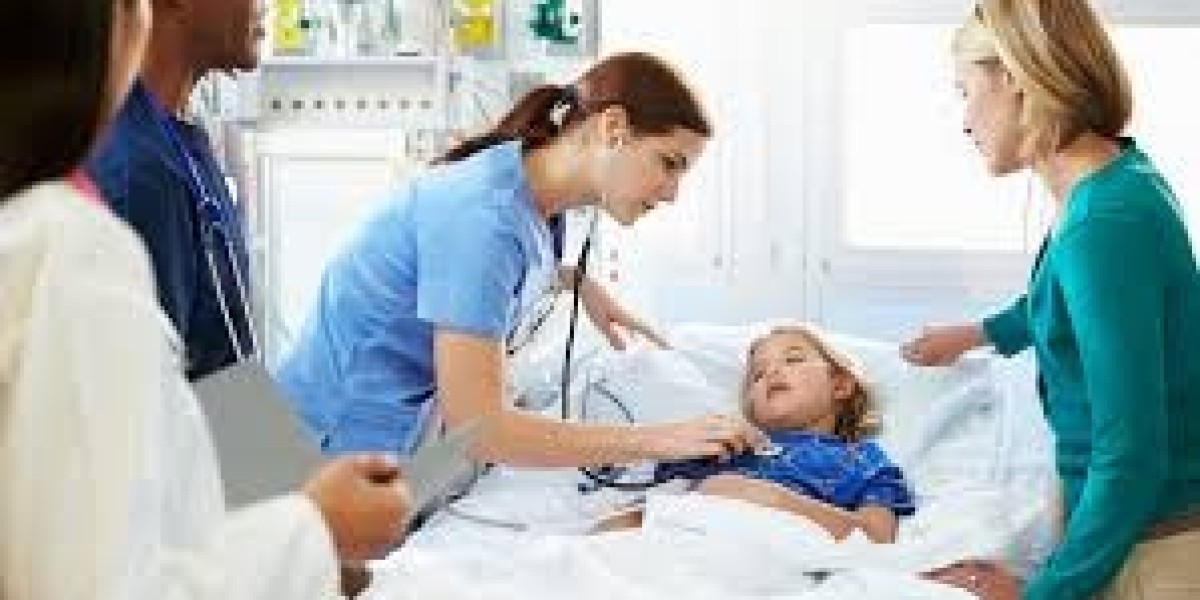

Healthcare has evolved rapidly over the past few decades, and one of the most vital advancements is the development of Medicine and Critical Care. This specialized field focuses on treating patients with life-threatening conditions who require constant monitoring, advanced technology, and immediate medical intervention. From emergency departments to intensive care units, this discipline plays a crucial role in saving lives and improving recovery outcomes.
In today’s healthcare systems, hospitals such as St George Hospital and other advanced medical centers rely heavily on specialized teams trained in critical treatment methods. This article explores the importance, structure, and future of this essential medical field while providing SEO-optimized insights for readers seeking reliable information.
What Is Medicine and Critical Care?
Medicine and Critical Care is a specialized branch of healthcare dedicated to diagnosing, monitoring, and treating patients with severe or life-threatening illnesses and injuries. It involves advanced medical technologies, continuous observation, and coordinated teamwork among highly trained healthcare professionals.
Patients admitted under Medicine and Critical Care often suffer from conditions such as respiratory failure, severe infections, trauma, cardiac emergencies, or organ failure. These cases require immediate decision-making, specialized medications, and life-support systems.
Hospitals like St George Hospital have dedicated intensive care units (ICUs) designed to provide round-the-clock monitoring, ensuring that even the smallest changes in a patient’s condition are addressed immediately.
The Role of Intensive Care Units in Medicine and Critical Care
The Intensive Care Unit is the heart of Medicine and Critical Care. ICUs are equipped with advanced machines that support vital functions such as breathing, circulation, and kidney function.
Patients in these units receive constant attention from doctors, nurses, and respiratory therapists. The goal is to stabilize the patient, prevent complications, and support recovery. The ICU environment is carefully controlled to reduce infection risks and maintain optimal patient safety.
Modern ICUs at facilities like St George Hospital are designed to handle complex cases, including multi-organ failure and post-surgical complications, making them essential for advanced healthcare delivery.
The Importance of Specialized Medical Teams
One of the key strengths of Medicine and Critical Care is the collaboration between multiple specialists. These teams include intensivists, critical care nurses, pharmacists, physiotherapists, and nutrition experts.
Their combined expertise ensures that patients receive comprehensive treatment tailored to their condition. Every decision, from medication dosage to ventilator settings, is carefully evaluated.
This multidisciplinary approach improves survival rates and reduces long-term complications, especially in severe medical emergencies.
Critical Care Medicine and Advanced Life-Saving Technologies
Modern healthcare relies heavily on technology to support Medicine and Critical Care. In this context, Critical Care Medicine focuses on using advanced equipment and evidence-based practices to manage critically ill patients.
Technologies such as mechanical ventilators, dialysis machines, cardiac monitors, and infusion pumps allow healthcare providers to maintain vital functions while treating the underlying condition.
At advanced facilities like St George Hospital, these technologies are integrated with digital monitoring systems, allowing real-time data analysis and faster medical response.
Common Conditions Treated in Medicine and Critical Care
Patients admitted to Medicine and Critical Care often face serious health challenges that require immediate and intensive treatment. These conditions include severe pneumonia, sepsis, heart attacks, strokes, traumatic injuries, and complications after major surgery.
Other cases involve chronic diseases that suddenly worsen, such as advanced lung disease or kidney failure. In each situation, rapid diagnosis and aggressive treatment are essential.
The ability of hospitals like St George Hospital to manage such diverse cases highlights the importance of having a well-equipped and highly trained critical care department.
Patient Monitoring and Recovery in Medicine and Critical Care
Continuous monitoring is a defining feature of Medicine and Critical Care. Vital signs such as heart rate, oxygen levels, blood pressure, and neurological status are tracked in real time.
This constant observation allows medical teams to detect complications early and adjust treatment immediately. Recovery in the ICU often includes physical therapy, nutritional support, and gradual reduction of life-support systems.
The recovery phase is just as important as emergency treatment, ensuring patients regain strength and reduce the risk of long-term disability.
Challenges and Ethical Considerations in Medicine and Critical Care
Despite its life-saving potential, Medicine and Critical Care presents several challenges. These include limited ICU beds, high treatment costs, and the emotional stress experienced by patients and families.
Ethical decisions are also a significant part of critical care practice. Doctors may need to discuss treatment limits, long-term prognosis, or end-of-life care options with families.
Hospitals like St George Hospital emphasize compassionate communication and patient-centered care to support families during difficult times.
The Future of Medicine and Critical Care
The future of Medicine and Critical Care is driven by innovation and research. Artificial intelligence, tele-ICU systems, and predictive analytics are transforming how critically ill patients are managed.
These technologies help doctors identify risks earlier and personalize treatment plans. In addition, ongoing research is improving infection control, ventilation strategies, and recovery methods.
As healthcare systems continue to evolve, institutions like St George Hospital are adopting modern practices to enhance patient outcomes and expand access to advanced critical care services.
FAQs About Medicine and Critical Care
What does Medicine and Critical Care mean?
It refers to specialized medical treatment for patients with life-threatening conditions who require constant monitoring and advanced medical support.
Who needs Medicine and Critical Care?
Patients with severe illnesses, major injuries, organ failure, or complications after surgery may require this level of care.
How long do patients stay in the ICU?
The duration varies depending on the patient’s condition. Some patients recover within days, while others may require weeks of intensive treatment.
Is Medicine and Critical Care available in all hospitals?
Not all hospitals have advanced ICU facilities, but major medical centers such as St George Hospital provide comprehensive critical care services.
What is the goal of Medicine and Critical Care?
The primary goal is to stabilize patients, treat the underlying condition, prevent complications, and support recovery.