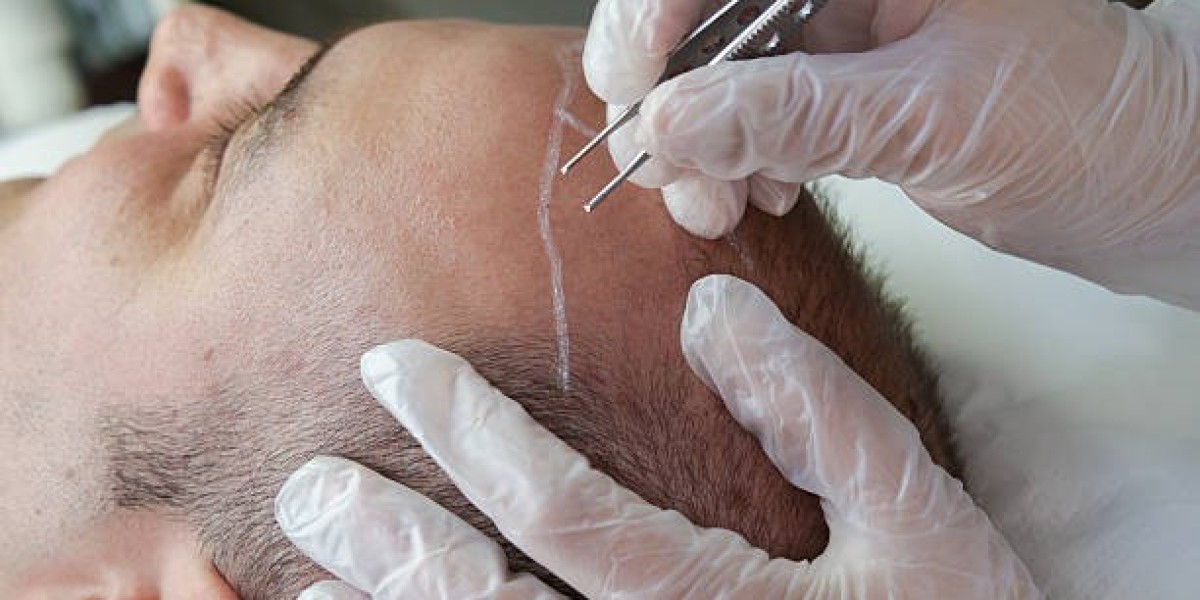

However, achieving the best results depends not only on the surgical technique but also on internal factors like hormones, overall health, and post-transplant care. Understanding how hormones interact with hair growth can make a significant difference in the success and longevity of your transplant.
Hormones and Their Impact on Hair Transplants
One of the most critical aspects of hair restoration is recognizing how hormones influence hair follicles. Hair Transplant in Riyadh is particularly sensitive to androgen levels, especially dihydrotestosterone (DHT), which can cause miniaturization of hair follicles over time. Patients with high DHT levels may experience hair thinning even after a transplant if proper precautions are not taken. Additionally, fluctuations in thyroid hormones, cortisol, and insulin can affect hair growth cycles and recovery. While planning a hair transplant, it’s also important to consider the hair transplant cost in KSA, which can vary depending on the technique used, the number of grafts required, and the individual’s hormonal profile. Being aware of these factors ensures realistic expectations and better long-term results.
Androgen Hormones and Hair Follicle Health
Androgens, particularly testosterone and DHT, play a dual role in hair growth. While they stimulate body and facial hair, they can negatively affect scalp hair in genetically predisposed individuals. Excessive DHT can shrink transplanted hair follicles over time, which may compromise the density of the transplant. Regular monitoring of androgen levels and using preventive treatments can help maintain the health of transplanted hair.
Thyroid Function and Hair Growth
Thyroid hormones, including T3 and T4, regulate metabolism and influence the hair growth cycle. Hypothyroidism or hyperthyroidism can lead to diffuse hair loss or slowed hair regeneration. Patients undergoing Hair Transplant in Riyadh are advised to have thyroid function tested prior to surgery to optimize outcomes. Correcting any imbalances before and after the transplant can significantly enhance graft survival and hair density.
Stress Hormones and Recovery
Cortisol, the primary stress hormone, can trigger a type of hair shedding called telogen effluvium. High stress levels before or after a hair transplant can impact recovery and delay the visible results of the procedure. Stress management through lifestyle changes, meditation, or professional support is essential for achieving the best results.
Insulin and Nutrient Absorption
Insulin regulates blood sugar levels and can indirectly affect hair health. Poor insulin control can lead to nutrient deficiencies that compromise hair follicle function. Ensuring a balanced diet and addressing any insulin-related conditions can improve the success of a hair transplant and support long-term growth.
Consultation and Personalized Planning
If you are considering a hair transplant, visiting a specialized clinic such as Enfield Royal Clinic is crucial. A comprehensive consultation will assess hormonal balance, scalp health, and hair density to create a personalized treatment plan. The clinic’s expertise ensures that each patient receives a tailored approach, maximizing the success of Hair Transplant in Riyadh and supporting natural, long-lasting results.
Frequently Asked Questions
How do hormones affect the long-term success of a hair transplant in Riyadh?
Hormones like DHT and thyroid hormones can influence the growth and density of transplanted hair. Maintaining hormonal balance helps ensure the longevity and effectiveness of the transplant.
Can hormone therapy improve hair transplant outcomes?
In certain cases, hormone therapy or medications to block DHT can enhance results. However, it must be carefully managed under medical supervision to avoid side effects.
Does stress impact hair transplant recovery?
Yes, elevated cortisol levels due to stress can lead to temporary hair shedding and delay the healing process. Stress reduction techniques are recommended for optimal results.
What factors determine the hair transplant cost in KSA?
The cost depends on the number of grafts required, surgical technique, clinic reputation, and pre-existing hormonal conditions that may influence the procedure.
Proper management of hormones before and after the procedure is essential for achieving the best outcomes. Understanding the effects of androgen, thyroid, cortisol, and insulin levels allows patients to proactively support hair health. With the guidance of experienced professionals at Enfield Royal Clinic, patients can experience natural and lasting results, making Hair Transplant in Riyadh an effective solution for hair restoration.