
Introduction
Denim Tears Clothing isn’t just another name floating around in the streetwear universe—it’s a movement stitched into fabric. In a world where fashion often chases trends at lightning speed, Denim Tears slows things down and asks a deeper question: What does your clothing say about history, identity, and truth? This brand doesn’t whisper its message; it speaks loudly, unapologetically, and with purpose. From the very first glance, Denim Tears pieces feel heavy—not in weight, but in meaning.
What makes Denim Tears Clothing stand out is its fearless approach to storytelling. Each garment is like a page torn from a history book, except instead of ink, the story is written in cotton, denim, and dye. The Denim Tears brand challenges the idea that clothes are just about looking good. Instead, it pushes the notion that fashion can educate, provoke thought, and even make people uncomfortable—and that’s intentional. After all, real conversations rarely happen in comfort zones.
Streetwear has always been rooted in self-expression, rebellion, and cultural commentary. Denim Tears takes those roots and digs deeper, connecting modern fashion with centuries of African American history. This isn’t about nostalgia or aesthetic exploitation; it’s about acknowledgment and reclamation. Wearing Denim Tears Clothing is like wearing a statement without having to say a word. It’s subtle, yet powerful—like a quiet room that demands attention.
As the brand continues to gain traction worldwide, it’s clear that Denim Tears is more than a passing hype wave. It’s building a legacy, one piece at a time. Whether you’re new to the brand or already a devoted supporter, understanding Denim Tears means understanding why fashion can be one of the most powerful storytelling tools of our time.
The Origin Story of Denim Tears Clothing
Every meaningful brand has an origin story, but Denim Tears Clothing’s beginnings feel more like the start of a cultural chapter than a business venture. The brand was born out of a need to express truths that were often ignored or glossed over in mainstream fashion. Instead of following market trends or seasonal demands, Denim Tears emerged with a mission—to use clothing as a canvas for historical dialogue.
Who Founded Denim Tears?
Denim Tears was founded by Tremaine Emory, a creative visionary known for his deep involvement in fashion, music, and cultural commentary. Before launching Denim Tears, Emory had already built a reputation working behind the scenes with influential brands and artists. But Denim Tears wasn’t about clout or industry validation—it was personal. The brand became a vessel for Emory to explore and express the African American experience in a way that felt raw, honest, and unfiltered.
What sets Emory apart is his refusal to separate creativity from responsibility. He doesn’t design just to sell; he designs to communicate. His background, experiences, and understanding of history shape every collection. Denim Tears isn’t an abstract concept for him—it’s a reflection of lived realities and inherited stories.
The Vision Behind the Brand
The vision of Denim Tears Clothing was never about mass production or mainstream appeal. It was about intention. Each piece is created with a clear message, often rooted in the legacy of slavery, systemic oppression, and cultural resilience. The brand challenges wearers to confront uncomfortable truths while also celebrating survival, strength, and identity. Denim Tears uses familiar silhouettes—jeans, hoodies, tees—but transforms them into meaningful artifacts. This approach makes the message accessible. You don’t need to visit a museum or read a textbook; you can engage with history simply by getting dressed.
Early Challenges and Breakthrough Moments
Like any brand that refuses to conform, Denim Tears faced skepticism early on. Some questioned whether such heavy themes belonged in fashion. Others worried the message might be misunderstood or commercialized. But those very concerns fueled the brand’s resolve. The breakthrough came when people started to feel the clothing, not just wear it. Collaborations, cultural conversations, and organic support from artists and creatives helped Denim Tears gain momentum. What started as a personal expression quickly became a global conversation—and the fashion world hasn’t been the same since.
Denim Tears as More Than Fashion
To call Denim Tears Clothing “fashion” almost feels limiting. Yes, it fits within the fashion industry, but its purpose stretches far beyond aesthetics. Denim Tears operates at the intersection of art, history, and activism, making each piece feel like a wearable manifesto. This brand doesn’t chase validation—it challenges perception.
Clothing as a Medium for Storytelling
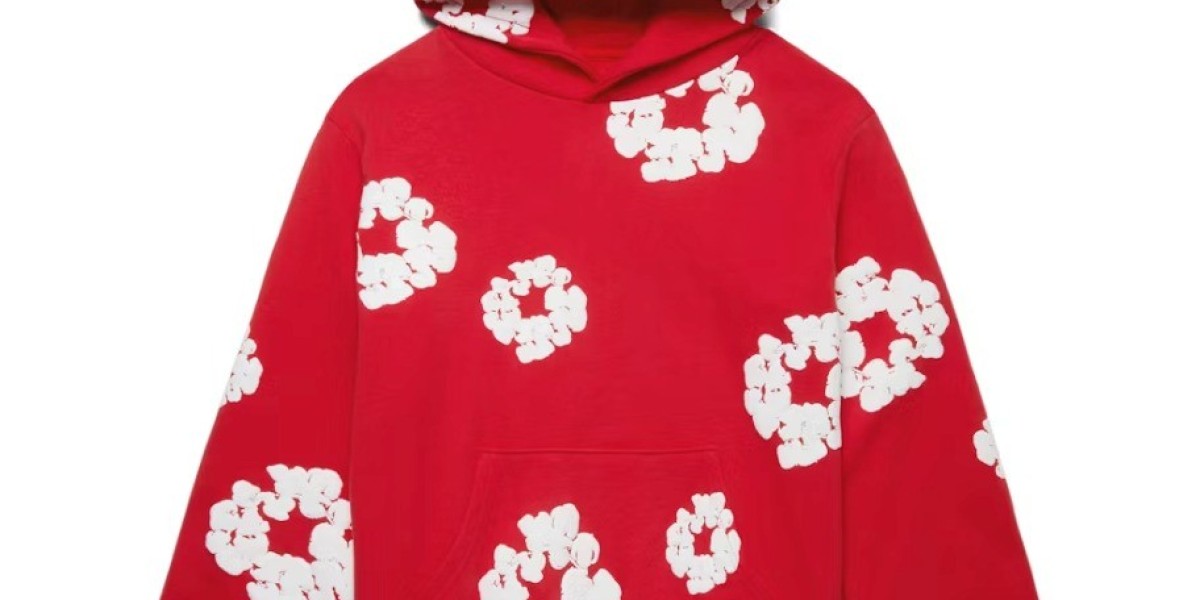
Storytelling has always been a fundamental part of human culture, passed down through words, art, and tradition. Denim Tears adds clothing to that list. Every stitch, print, and symbol is intentional. Denim Tears Hoodie The garments don’t just exist to be worn; they exist to speak. When someone wears Denim Tears, they’re participating in a narrative that predates modern fashion by centuries. It’s a reminder that history isn’t distant—it’s woven into everyday life. This approach turns ordinary clothing into conversation starters, encouraging dialogue where silence once lived.
Addressing African American History Through Design
One of the most powerful aspects of Denim Tears Clothing is its direct engagement with African American history. The brand doesn’t sanitize the past or present it in a palatable way. Instead, it confronts it head-on. From references to slavery-era labor to symbols of resilience, the designs demand acknowledgment. This isn’t about dwelling on pain; it’s about recognizing it. Denim Tears reframes history not as a burden, but as a source of strength and identity. The clothing becomes a bridge between past and present, reminding wearers that understanding history is essential to shaping the future.
Why Denim Tears Resonates Globally
Although rooted in African American history, Denim Tears Clothing resonates with people worldwide. Why? Because themes of identity, struggle, and resilience are universal. The brand speaks to anyone who understands what it means to be seen, unheard, marginalized, or misunderstood. In a global fashion landscape often criticized for being shallow, Denim Tears offers depth. It proves that authenticity transcends borders—and that real stories always find an audience.
The Iconic Cotton Wreath Symbol
One of the most recognizable and talked-about elements of Denim Tears Clothing is the cotton wreath. At first glance, it may look minimal or even decorative, but beneath its simple appearance lies a deep, emotional, and historical weight. This symbol alone has sparked countless conversations, debates, and reflections—exactly what the brand intended.
Historical Meaning of the Cotton Wreath
Cotton is inseparable from the history of slavery in the United States. It represents forced labor, exploitation, and generational trauma endured by African Americans. By choosing cotton as a central symbol, Denim Tears doesn’t shy away from that painful truth. Instead, it brings it to the forefront, refusing to let history be erased or softened. The wreath shape adds another layer of meaning. Traditionally, wreaths symbolize remembrance, honor, and cycles of life. Combined with cotton, the symbol becomes a memorial—one that honors ancestors whose labor built the foundations of modern economies but whose stories were often left untold.
How Denim Tears Reclaimed a Painful Symbol
What makes the cotton wreath powerful isn’t just what it represents—it’s how it’s reclaimed. Denim Tears transforms a symbol of oppression into one of awareness and respect. The brand takes ownership of the narrative, shifting cotton from a symbol of suffering to a reminder of endurance and survival. This act of reclamation is bold. It challenges the fashion industry’s history of profiting from Black culture without acknowledging Black pain. Denim Tears flips the script, making the wearer an active participant in remembering and respecting history.
Public Reception and Cultural Impact
The cotton wreath has become iconic. Some praised its honesty and bravery, while others found it uncomfortable—and that discomfort is the point. Denim Tears doesn’t aim to please everyone. It aims to make people think. Over time, the symbol has become a cultural marker, instantly identifying Denim Tears Clothing and the deeper conversation it represents. Shop Now