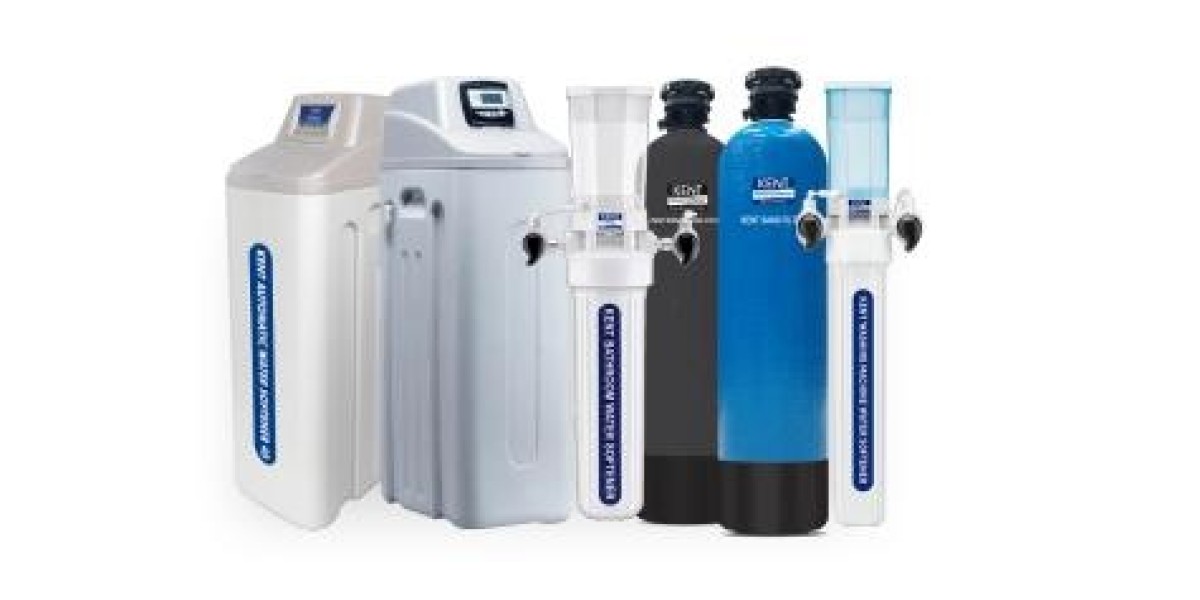

Hard water can create numerous problems in households, including scale buildup in pipes, reduced appliance efficiency, and stains on sinks, showers, and laundry. For homeowners looking for reliable solutions, a culligan water softener for sale offers a trusted option. This guide will explain the benefits of water softeners, how they work, maintenance tips, and how to choose the best system for your home.
Understanding Water Softeners
A water softener is designed to remove hardness-causing minerals, primarily calcium and magnesium, from your water supply. Softened water protects plumbing, improves the lifespan of appliances, and enhances the effectiveness of soaps and detergents. Many systems designed for well water can also reduce iron, sulfur, and other impurities that may affect water taste and quality.
How Water Softeners Work
Most water softeners operate using an ion exchange process. Hard water flows through a resin bed, where calcium and magnesium ions are replaced with sodium or potassium ions. The result is water that is soft, scale-free, and better for both cleaning and daily household use. Some advanced models also incorporate additional filtration to remove iron, sulfur, or sediment commonly found in well water.
Signs You May Need a Water Softener
Several signs indicate that your home could benefit from a water softener:
Scale buildup on faucets, showerheads, or appliances
Rust-colored stains in sinks, bathtubs, or laundry
Soap scum residue on dishes, showers, or tubs
Reduced efficiency in water-using appliances
If you notice these issues, installing a water softener can significantly improve water quality and protect your plumbing.
DIY Installation vs Professional Installation
While some homeowners consider installing a water softener themselves, professional installation is often recommended. Proper installation ensures correct plumbing connections, system calibration, and efficient operation. This minimizes the risk of leaks, poor performance, or damage to your home’s water system.
Maintaining Your Water Softener
Routine maintenance is key to ensuring that your water softener continues to function efficiently. Recommended practices include:
Regularly refilling the brine tank with salt or potassium
Cleaning and inspecting the resin bed periodically
Checking for leaks or corrosion in plumbing connections
Scheduling annual professional inspections for complex systems
Proper maintenance prolongs the life of your water softener and ensures consistent soft water.
Choosing the Right Water Softener
When selecting a water softener, it is important to consider your household size, water hardness, and budget. For those seeking affordability, a used water softener for sale near me can be a great option. Buying a used system can save money while still providing the benefits of soft water, provided the system is in good condition and properly maintained.
Factors to Consider
Water Hardness: Test your water to determine the level of hardness and appropriate system size.
Household Size: Larger households may need higher-capacity systems to meet daily water needs.
Water Impurities: Well water may contain iron, sulfur, or sediment that require specialized filters.
Maintenance Requirements: Consider how often the system needs servicing or salt refills.
Benefits of a Water Softener
Installing a water softener offers several key benefits:
Protects plumbing and appliances from scale buildup
Reduces stains and soap scum in bathrooms and kitchens
Improves cleaning efficiency of soaps, detergents, and shampoos
Extends the lifespan of appliances such as water heaters, dishwashers, and washing machines
Professional Guidance
Even if purchasing a used system, consulting a water treatment professional ensures proper installation, maintenance, and long-term efficiency. Professionals can help determine system capacity, recommend the correct salt or filters, and provide guidance on regular maintenance.
Conclusion
A culligan water softener for sale offers a reliable solution for households dealing with hard water issues. For cost-conscious homeowners, a used water softener for sale near me provides an affordable alternative without sacrificing performance. Proper selection, installation, and maintenance of your water softener system ensure consistent soft water, protect plumbing and appliances, and improve overall water quality throughout your home.